


Project Management
 3 Students
16 others bought this course in the last 24 hours! Project Management (Initiation, Planning, Executing, Monitoring and Closing) course teaches you everything on the topic thoroughly from scratch so you can achieve a professional certificate for free to showcase your achievement in professional life. This Project Management (Initiation, Planning, Executing, Monitoring and Closing) course is a comprehensive, instructor-guided course, designed …
16 others bought this course in the last 24 hours!
Project Management (Initiation, Planning, Executing, Monitoring and Closing) course teaches you everything on the topic thoroughly from scratch so you can achieve a professional certificate for free to showcase your achievement in professional life. This Project Management (Initiation, Planning, Executing, Monitoring and Closing) course is a comprehensive, instructor-guided course, designed to provide a detailed understanding of the nature of the related sector and your key roles within it.
To become successful in your profession, you must have a specific set of skills to succeed in today’s competitive world. In this in-depth training course, you will develop the most in-demand skills to kickstart your career, as well as upgrade your existing knowledge & skills.
The training materials of this course are available online for you to learn at your own pace and fast-track your career with ease.
- Accredited by CPD
- Instant e-certificate and hard copy dispatch by next working day
- Fully online, interactive course with audio voiceover
- Developed by qualified professionals
- Self-paced learning and laptop, tablet, smartphone-friendly
- 24/7 Learning Assistance
- Discounts on bulk purchases
Who should take the course
Anyone with a knack for learning new skills can take this Project Management (Initiation, Planning, Executing, Monitoring and Closing) course. While this comprehensive training is popular for preparing people for job opportunities in the relevant fields, it also helps to advance your career for promotions.
Accreditation
All of our courses, including this Project Management (Initiation, Planning, Executing, Monitoring and Closing) course, are fully accredited, providing you with up-to-date skills and knowledge and helping you to become more competent and effective in your chosen field.
Certification
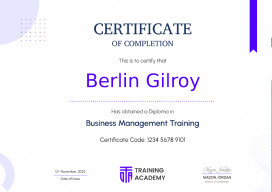
Once you’ve successfully completed your Project Management (Initiation, Planning, Executing, Monitoring and Closing) course, you will immediately be sent a digital certificate. Also, you can have your printed certificate delivered by post (shipping cost £3.99). Our certifications have no expiry dates, although we do recommend that you renew them every 12 months.
Assessment
At the end of the course, there will be an online assessment, which you will need to pass to complete the course. Answers are marked instantly and automatically, allowing you to know straight away whether you have passed. If you haven’t, there’s no limit on the number of times you can take the final exam. All this is included in the one-time fee you paid for the course itself.
Course Curriculum
In module one, we will explore the key project management topics that will be discussed in this course and the industry skills we will gain along the way.
In module two, we will learn the basics of project management, with an overview of the role and responsibilities of a Project Manager.
In module three, we will familiarise with the PMI framework, which is a global project management framework. It includes essential information on its tools, best practices, core values and networks.
In module four, we will expand our knowledge of the most widely used project management tools and techniques, that every PM should know. We will also gain a range of professional skills, from problem-solving to planning.
In module five, we will take a look at the strategic planning process, with step-by-step guidance on how to develop a strategic plan and implement a standard methodology.
In module six, we will learn about project management constraints and the limiting factors that could affect the overall success of your projects. It covers the different types of constraints, with examples.
In module seven, we will explore the key factors to project management success, as well as how to identify success factors and components in project management.
In module eight, we will gain a deeper understanding of the role, skills and responsibilities of a Project Manager, covering career path and requirements of the role in detail.
In module nine, we will take a look back at what we have learned in this chapter, revisiting and analysing the key points of each module.
In module ten, we will learn about the purpose of project initiation, with an overview of the fundamental steps of the project initiation process, to ensure your projects are well-structured, with clearly outlined goals.
In module eleven, we will gain a deeper understanding of the steps to successful project initiation, with guidance on how to define your projects’ purpose, scope and primary goals.
In module twelve, we will take a look at the role of the project sponsor and the different types of project customers. It covers essential information on what sponsors and customers expect from project managers.
In module thirteen, we will learn a range of project stakeholder management skills, deepening our understanding of the role of the stakeholder in projects, as well as the different types of stakeholders.
In module fourteen, we will learn to successfully define the scope of a project to determine your project’s goals and objectives. It also covers assumptions and constraints, and the conceptual solution.
Module fifteen, we will be trained on how to write a business case that supports project initiation, covering the key elements that should be included.
In module sixteen, we will learn what a project mandate is and why it is important. It covers what authority the project manager has and what should be included in a project mandate.
In module seventeen, we will learn how to write an effective project management charter, outlining the role and importance of the project charter, with step-by-step instruction.
In module eighteen, we will take a look back at what we have learned throughout this initiation chapter and the industry skills we have gained.
In module nineteen, we will take a look at the project planning process, principles and requirements. It covers the key topics that will be discussed in this chapter.
In module twenty, we will explore the project planning process in detail, with an overview of the steps to successful project planning.
In module twenty-one, we will learn about project planning requirements and objectives, including the phases of project planning and the documents required for a project.
In module twenty-two, we will explore different project planning software solutions, with tips on how to baseline your project plan.
In module twenty-three, we will look at some examples of project planning deliverables, covering the key points of the work breakdown structure, drawing tools, and the WBS dictionary.
In module twenty-four, we will learn about project planning logic, covering key topics such as the Precedence Diagram, the Precedence Diagram Process, and precedence diagram drawing tools.
In module twenty-five, we will learn how to estimate a project and why project estimation is important. It includes key estimating methods, including the Delphi Technique and guidance on how to handle estimating errors.
In module twenty-six, we will explore the project planning schedule in detail, including how to baseline a schedule and the critical path method.
In module twenty-seven, we will learn about project resource planning and levelling, with step-by-step guidance on how to baseline your resource plan.
In module twenty-eight, we will take an in-depth look at cost management in project management, with guidance on how to estimate project cost. It also provides essential information on how to set up a cost account.
In module twenty-nine, we will learn about the procurement process, including procurement documents, how to select the winner and baseline your procurement planning.
In module thirty, we will learn risk management best practices, covering key topics such as planning and identification, response planning, the risk register, and critical chain management.
In module thirty-one, we will gain essential communications planning skills, learning about the types of communication used in project management and exploring the challenges to effective project communication.
In module thirty-two, we will learn why a project communication plan is important, with instructor-led guidance on how to create a solid project communication plan.
In module thirty-three, we will take a look back at what we have learned in this chapter and the industry skills we have gained along the way.
In module thirty-four, we will learn about the key topics that will be discussed in this chapter and the skills and practical knowledge we will gain throughout each module.
In module thirty-five, we will take a look at some strategies for promoting successful project execution. It explains the purpose of execution and why this third phase of the projectlifecylce is so important.
In module thirty-six, we will take a look at the individual roles within the project team, with guidance on how to build a project team, delegate work and manage people conflict.
In module thirty-seven, we will have a look at project communication modes, as well as explore the art of communication in project management, including expert tips and strategies.
In module thirty-eight, we will explore the first steps in the execution process, including guidance on how to conduct kickoff meetings and project requirements reviews.
In module thirty-nine, we will learn key strategies and skills for designing and building a project, with practical exercises and case studies.
In module forty, we will explore the problem identification phase in project management, with guidance on how to find root causes, as well as an overview of what need-identification is in project management.
In module forty-one, we will take a look back at what we have learned in this chapter and the industry skills we have gained throughout each module.
In module forty-two, we will learn what project monitoring and controlling involves, and the skills required to effectively monitor and control a project from start to finish.
In module forty-three, we will explore some key project monitoring and control techniques, exploring key topics such as managing expectations and monitoring skills.
In module forty-four, we will gain an in-depth understanding of the benefits of weekly status meetings, how weekly status meetings work and the fundamental steps to organise a weekly status meeting.
In module forty-five, we will learn how to manage project scope change, covering key topics such as change impact analysis, change approval, and organising project change control.
In module forty-six, we will learn about schedule statusing, schedule tracking and project fast-tracking. It covers essential information on time management strategies and steps for effective time management.
In module forty-seven, we will take an in-depth look at cost statusing and managing project cost. It teaches how to calculate project cost and set a budget for your projects.
In module forty-eight, we will explore the risk analysis and management process, covering the different types of risks in project management and how they can be mitigated.
In module forty-nine, we will gain a deeper understanding of earned value in project management, and why it is important. It provides essential information on earned value management systems.
In module fifty, we will learn about project quality management, exploring user review management tools, peer reviews and user reviews in detail.
In module fifty-one, we will explore different project solution options and persuasion techniques for managers which are required for negotiating with team members and stakeholders.
In module fifty-two, we will learn how to maintain a project’s heartbeat, taking a look at monthly statusing, how to create a monthly report, and organise your monthly review.
In module fifty-three, we will take a look back at what we have learned throughout this chapter and the industry skills and knowledge we have gained along the way.
In module fifty-four, we will explore the contents of the closing chapter, with an overview of the project management closing process.
In module fifty-five, we will take a look at the purpose of closing a project, including its phases steps to successful project closure.
In module fifty-six, we will explore the process of project contract closure and the stages of procurement, with examples. It covers essential information on how to maintain relationships with outside vendors and contractors.
In module fifty-seven, we will gain a deeper understanding of the project closing process and formal acceptance best practice.
In module fifty-eight, we will explore the lessons learned process and take a look at some examples of lessons learned in the project closing process.
In module fifty-nine, we will learn how to manage a team through a project’s closure, including how to provide feedback and analyse the project’s successes or failures.
In module sixty, we will learn how to write an end of project final report, with step-by-step guidance. It covers what should be included in a project report and how to structure the report.
In module nineteen, we will take a look back at what we have learned in this final chapter and the industry skills and knowledge we have gained along the way.
Course Curriculum
| Module 01: Overview: Contents | |||
| Overview: Contents Of Overview Chapter | FREE | 00:02:00 | |
| Module 02: Overview: The Basics | |||
| Overview: What Is Project Management? | 00:02:00 | ||
| Overview: Where Projects Come From | 00:02:00 | ||
| Overview: Why Processes Are Useful | 00:02:00 | ||
| Module 03: Overview: The PMI Framework | |||
| Overview: The Project Management Institute | 00:02:00 | ||
| Overview: Project Definition | 00:01:00 | ||
| Overview: Program Definition | 00:03:00 | ||
| Overview: The Five PM Stages | 00:05:00 | ||
| Overview: The PM Knowledge Areas | 00:01:00 | ||
| Overview: Project Players | 00:03:00 | ||
| Overview: Exercise: Baseline Your Project Players | 00:01:00 | ||
| Module 04: Overview: Techniques & Tools | |||
| Overview: Two Basic Project Management Techniques | 00:03:00 | ||
| Overview: Project Management Software Tools | 00:03:00 | ||
| Module 05: Overview: Strategic Plan | |||
| Overview: The Link To The Strategic Plan | 00:02:00 | ||
| Overview: Exercise: Link To Your Strategic Plan | 00:01:00 | ||
| Module 06: Overview: The Triple Constraint | |||
| Overview: The Triple Constraint | 00:06:00 | ||
| Module 07: Overview: Keys To Success | |||
| Overview: Exercise: Project Success & Failure | 00:01:00 | ||
| Overview: The Standish Group Chaos Report | 00:02:00 | ||
| Overview: The Top 3 Drivers Of Project Success | 00:07:00 | ||
| Module 08: Overview: The Project Manager | |||
| Overview: The Role Of The Project Manager | 00:03:00 | ||
| Overview: Project Manager Requirements | 00:03:00 | ||
| Overview: Communications Essentials | 00:06:00 | ||
| Overview: Team Formation | 00:02:00 | ||
| Overview: Team Foundations | 00:07:00 | ||
| Overview: Negotiation Essentials | 00:05:00 | ||
| Overview: Leadership Essentials | 00:03:00 | ||
| Overview: Exercise: Your Project Manager Development | 00:01:00 | ||
| Module 09: Overview: Chapter Summary | |||
| Overview: Summary Checklist | 00:07:00 | ||
| Module 10: Initiation: Contents | |||
| Initiation: Contents Of Initiation Chapter | 00:02:00 | ||
| Module 11: Initiation: Introduction | |||
| Initiation: The Purpose Of Initiation | 00:03:00 | ||
| Initiation: The Project Manager Role | 00:02:00 | ||
| Module 12: Initiation: The Sponsor & Customer | |||
| Initiation: The Sponsor & Customer | 00:02:00 | ||
| Module 13: Initiation: Stakeholders | |||
| Initiation: The Project Stakeholders | 00:02:00 | ||
| Initiation: Stakeholder Analysis | 00:01:00 | ||
| Initiation: Exercise: Baseline Your Stakeholders | 00:01:00 | ||
| Module 14: Initiation: The First Level Scope | |||
| Initiation: The Project Objective | 00:04:00 | ||
| Initiation-Scope-1 | 00:03:00 | ||
| Initiation: Assumptions & Constraints | 00:02:00 | ||
| Initiation: The Conceptual Solution | 00:01:00 | ||
| Initiation: Exercise: Baseline Your Initiation Scope | 00:01:00 | ||
| Module 15: Initiation: The Business Case | |||
| Initiation: The Business Case | 00:03:00 | ||
| Initiation: The Benefit Cost Ratio (BCR) | 00:04:00 | ||
| Initiation: Example – Business Case BCR & ROI | 00:06:00 | ||
| Initiation: Exercise: Baseline Your Business Case | 00:01:00 | ||
| Module 16: Initiation: The Project Manager & Mandate | |||
| Initiation: The Project Manager & Mandate | 00:02:00 | ||
| Module 17: Initiation: The Project Charter | |||
| Initiation: The Project Charter | 00:03:00 | ||
| Initiation: Exercise: Baseline Your Project Charter | 00:01:00 | ||
| Module 18: Initiation: Chapter Summary | |||
| Initiation: Summary Checklist | 00:02:00 | ||
| Module 19: Planning: Contents | |||
| Planning: Contents Of Planning Chapter | 00:03:00 | ||
| Module 20: Planning: Introduction | |||
| Planning:The Purpose Of Planning | 00:02:00 | ||
| Planning:The Core Project Team (CPT) | 00:01:00 | ||
| Planning:Exercise: Gather Your Core Project Team | 00:01:00 | ||
| Module 21: Planning: Requirements | |||
| Planning:From Objective To Requirements | 00:03:00 | ||
| Planning:Requirements – A Long-Time Challenge | 00:01:00 | ||
| Planning:Example – Health System | 00:01:00 | ||
| Planning:Importance Of Requirements | 00:02:00 | ||
| Planning:Gathering Requirements | 00:02:00 | ||
| Planning:Requirements Attributes | 00:03:00 | ||
| Planning:Requirements Key Points | 00:03:00 | ||
| Planning:Requirements Document & Approval | 00:02:00 | ||
| Planning:Example – Buying Chairs | 00:02:00 | ||
| Planning:Exercise: Baseline Your Project Requirements | 00:01:00 | ||
| Module 22: Planning: Solution | |||
| Planning:The Solution Definition | 00:02:00 | ||
| Planning:Exercise: Baseline Your Project Solution Definition | 00:01:00 | ||
| Module 23: Planning: Deliverables | |||
| Planning:The Work Breakdown Structure (WBS) | 00:02:00 | ||
| Planning:Examples – Aircraft, Shed, Supper, Standards, Process | 00:06:00 | ||
| Planning:WBS Process | 00:02:00 | ||
| Planning:WBS Key Points | 00:02:00 | ||
| Planning:The WBS Dictionary | 00:01:00 | ||
| Planning:Deliverables → Work Packages → Activities | 00:02:00 | ||
| Planning:WBS Drawing Tools | 00:01:00 | ||
| Planning:Exercise: Baseline Your WBS | 00:01:00 | ||
| Module 24: Planning: Logic | |||
| Planning:The Precedence Diagram | 00:02:00 | ||
| Planning:Kinds Of Links, And Leads And Lags | 00:03:00 | ||
| Planning:Examples – Generic, Shed, Supper, Standards, Process | 00:06:00 | ||
| Planning:Precedence Diagram Process | 00:04:00 | ||
| Planning:Precedence Diagram Patterns | 00:02:00 | ||
| Planning:Precedence Diagram Drawing Tools | 00:01:00 | ||
| Planning:Exercise: Baseline Your Precedence Diagram | 00:02:00 | ||
| Module 25: Planning: Estimating | |||
| Planning:Exercise: The Power Of Estimation | 00:01:00 | ||
| Planning:Estimating Methods | 00:03:00 | ||
| Planning:The Statistical Power Of Multiple Estimates | 00:03:00 | ||
| Planning:Activity Breakdown | 00:06:00 | ||
| Planning:Factoring For Productivity & Availability | 00:03:00 | ||
| Planning:An Estimating Spreadsheet | 00:01:00 | ||
| Planning:PERT & Straight 3-Point Techniques | 00:06:00 | ||
| Planning:The Delphi Technique | 00:04:00 | ||
| Planning:Handling Estimating Error | 00:02:00 | ||
| Planning:Exercise: Estimate Your Project | 00:01:00 | ||
| Module 26: Planning: Schedule | |||
| Planning:The Gantt Chart | 00:03:00 | ||
| Planning:Example – Gantt Chart | 00:02:00 | ||
| Planning:The Critical Path | 00:02:00 | ||
| Planning:Critical Path Process | 00:03:00 | ||
| Planning:Example – Critical Path Process | 00:01:00 | ||
| Planning:Example – Forward Pass | 00:04:00 | ||
| Planning:Example – Backward Pass | 00:03:00 | ||
| Planning:Example – Critical Path With Float | 00:04:00 | ||
| Planning:Exercise: Baselining Your Schedule | 00:01:00 | ||
| Planning:The Schedule Milestones | 00:02:00 | ||
| Planning:Exercise: Setting Your Milestones | 00:01:00 | ||
| Module 27: Planning: Resources | |||
| Planning:Resource Leveling | 00:03:00 | ||
| Planning:Resource Planning | 00:02:00 | ||
| Planning:Exercise: Baseline Your Resource Plan | 00:01:00 | ||
| Module 28: Planning: Cost | |||
| Planning:Estimating Cost | 00:02:00 | ||
| Planning:Cost Breakdown | 00:01:00 | ||
| Planning:Cost Accounts | 00:02:00 | ||
| Planning:The Project Cost Baseline | 00:01:00 | ||
| Planning:Exercise: Baseline Your Project Cost | 00:01:00 | ||
| Module 29: Planning: Procurement | |||
| Planning:Deciding To “Build Or Buy” | 00:03:00 | ||
| Planning:Procurement Documents | 00:02:00 | ||
| Planning:Selecting The Winner | 00:03:00 | ||
| Planning:Exercise: Baseline Your Procurement Planning | 00:01:00 | ||
| Module 30: Planning: Risk | |||
| Planning:Risk Management | 00:04:00 | ||
| Planning:Risk Planning | 00:02:00 | ||
| Planning:Risk Identification | 00:02:00 | ||
| Planning:Standard Risk Statement Form | 00:03:00 | ||
| Planning:Risk Qualification | 00:02:00 | ||
| Planning:Risk Quantification | 00:02:00 | ||
| Planning:Response Planning | 00:02:00 | ||
| Planning:Other Risk Elements | 00:02:00 | ||
| Planning:The Risk Register | 00:04:00 | ||
| Planning:Critical Chain Management | 00:03:00 | ||
| Planning:Risk Buffer Allocation | 00:01:00 | ||
| Planning:Opportunity Planning | 00:02:00 | ||
| Planning:Exercise: Baseline Your Risk Budget | 00:01:00 | ||
| Module 31: Planning: Communications | |||
| Planning:Communications Planning | 00:02:00 | ||
| Planning:Exercise: Baseline Your Communications Plan | 00:01:00 | ||
| Module 32: Planning: The Project Plan | |||
| Planning:The Project Management Plan | 00:06:00 | ||
| Planning:Final Project Plan Review | 00:02:00 | ||
| Planning:Exercise: Baseline Your Project Plan | 00:01:00 | ||
| Module 33: Planning: Chapter Summary | |||
| Planning:Summary Checklist | 00:11:00 | ||
| Module 34: Execution: Contents | |||
| Execution: Contents Of Execution Chapter | 00:01:00 | ||
| Module 35: Execution: Introduction | |||
| Execution: The Purpose Of Execution | 00:02:00 | ||
| Module 36: Execution: The Project Team | |||
| Execution: Building The Project Team | 00:04:00 | ||
| Execution: Project Team Key Points | 00:04:00 | ||
| Execution: Functional Organizations | 00:01:00 | ||
| Execution: Projectized Organizations | 00:01:00 | ||
| Execution: Matrix Organizations | 00:01:00 | ||
| Execution: Management Of Matrix Organizations | 00:02:00 | ||
| Execution: Matrix Personnel Allocation | 00:02:00 | ||
| Execution: Delegation | 00:03:00 | ||
| Execution: Team Motivation | 00:03:00 | ||
| Execution: Managing People Conflict | 00:06:00 | ||
| Execution: Exercise: Gather The Project Team | 00:01:00 | ||
| Module 37: Execution-Communications | |||
| Execution: Communication Modes | 00:02:00 | ||
| Module 38: Execution: First Steps | |||
| Execution: Kickoff Meetings | 00:03:00 | ||
| Execution: Project Requirements Review (PRR) | 00:02:00 | ||
| Execution: Exercise: Take Project First Steps | 00:01:00 | ||
| Module 39: Execution: Design & Build | |||
| Execution: Design Before Build | 00:02:00 | ||
| Execution: Exercise: Design & Build Your Project | 00:01:00 | ||
| Module 40: Execution: Problem Identification | |||
| Execution: Finding Root Causes | 00:02:00 | ||
| Module 41: Execution: Chapter Summary | |||
| Execution: Summary Checklist | 00:05:00 | ||
| Module 42: Monitoring & Control: Contents | |||
| Monitoring & Control: Contents Of Monitoring & Control Chapter | 00:01:00 | ||
| Module 43: Monitoring & Control: Introduction | |||
| Monitoring & Control: The Purpose Of Monitoring And Control | 00:02:00 | ||
| Monitoring & Control: Managing Expectations | 00:02:00 | ||
| Module 44: Monitoring & Control: The Weekly Heartbeat | |||
| Monitoring & Control: The Weekly Status Meeting | 00:03:00 | ||
| Monitoring & Control: Exercise: Organize Your Weekly Meeting | 00:01:00 | ||
| Module 45: Monitoring & Control: Managing Scope | |||
| Monitoring & Control: Managing Scope Change | 00:02:00 | ||
| Monitoring & Control: Change Impact Analysis | 00:02:00 | ||
| Monitoring & Control: Change Approval | 00:09:00 | ||
| Monitoring & Control: Exercise: Organize Your Project Change Control | 00:01:00 | ||
| Module 46: Monitoring & Control: Managing Time | |||
| Monitoring & Control: Schedule Statusing | 00:03:00 | ||
| Monitoring & Control: Schedule Crashing & Fast-Tracking | 00:07:00 | ||
| Module 47: Monitoring & Control: Managing Cost | |||
| Monitoring & Control: Cost Statusing | 00:01:00 | ||
| Monitoring & Control: Managing Cost | 00:03:00 | ||
| Module 48: Monitoring & Control: Managing Risk | |||
| Monitoring & Control: Managing Risk | 00:09:00 | ||
| Module 49: Monitoring & Control: Earned Value Management (EVM) | |||
| Monitoring & Control: EVM Overview | 00:03:00 | ||
| Monitoring & Control: EVM Metrics | 00:03:00 | ||
| Monitoring & Control: EVM Cost Projections | 00:02:00 | ||
| Monitoring & Control: EVM Schedule Projections | 00:03:00 | ||
| Monitoring & Control: EVM Meaning | 00:02:00 | ||
| Monitoring & Control: Example – EVM | 00:04:00 | ||
| Module 50: Monitoring & Control: Managing Quality | |||
| Monitoring & Control: Quality, Deming, And Fit For Purpose | 00:06:00 | ||
| Monitoring & Control: Peer Reviews | 00:03:00 | ||
| Monitoring & Control: User Reviews | 00:03:00 | ||
| Monitoring & Control: User Review Management Tool | 00:05:00 | ||
| Module 51: Monitoring & Control: Problem Resolution | |||
| Monitoring & Control: Solution Options | 00:03:00 | ||
| Monitoring & Control: Persuasion Techniques | 00:03:00 | ||
| Module 52: Monitoring & Control: The Monthly Heartbeat | |||
| Monitoring & Control: Monthly Statusing | 00:03:00 | ||
| Monitoring & Control: One Page Monthly Report | 00:02:00 | ||
| Monitoring & Control: The Monthly Review | 00:04:00 | ||
| Monitoring & Control: Exercise: Organize Your Monthly Review | 00:01:00 | ||
| Module 53: Monitoring & Control: Chapter Summary | |||
| Monitoring & Control: Summary Checklist | 00:06:00 | ||
| Module 54: Closing: Contents | |||
| Closing: Contents Of Closing Chapter | 00:01:00 | ||
| Module 55: Closing: Introduction | |||
| Closing: The Purpose Of Closing | 00:02:00 | ||
| Module 56: Closing: Procurement | |||
| Closing: Contract Closure | 00:02:00 | ||
| Module 57: Closing: Acceptance | |||
| Closing: Change Management | 00:03:00 | ||
| Closing: Scope Verification | 00:02:00 | ||
| Closing: Scenario Based Scope Verification | 00:02:00 | ||
| Closing: Practical Delivery Criteria | 00:02:00 | ||
| Closing: Transition To Operations | 00:01:00 | ||
| Closing: Exercise: Close Your Project Scope | 00:01:00 | ||
| Module 58: Closing: Lessons Learned | |||
| Closing: The Lessons Learned Process | 00:02:00 | ||
| Module 59: Closing: Team Closure | |||
| Closing: People Transition | 00:02:00 | ||
| Closing: The Project Celebration | 00:02:00 | ||
| Closing: Exercise: Manage Team Closure | 00:01:00 | ||
| Module 60: Closing: The Final Report | |||
| Closing: The Project Final Report | 00:02:00 | ||
| Closing: Exercise: Finalize Your Final Report | 00:01:00 | ||
| Module 61: Closing: Chapter Summary | |||
| Closing: Summary Checklist | 00:04:00 | ||




PRIVATE
SAVE 0% - OFFER ENDS SOON
 |
 Take All course
for $99
Take All course
for $99-
 01 Year of full Course access
 -
 Intermediate
-
 Endorsed Certificate of Compleiton
-
 8 hours, 31 minutes of total Unit + Quiz duration
 -
 10 CPD Points
Buying more than one of the same courses?
- 50% discount for orders of 10+ courses
- 60% discount for orders of 50+ courses
- 70% discount for orders of 100+ courses