107 Students
Mental Health Counselling & Psychotherapy is for development and communication executive, family therapist, systemic psychotherapist, child and adolescent psychotherapist, counselling psychologists, mental health nurse or any individual who wants to prospect in their job, or kick start their career in the field of Psychotherapy and counselling. Mental Health Counselling & Psychotherapy discusses different psychological disorders and their treatments. 1 out …
The Mental Health Counselling & Psychotherapy course introduces learners to the core principles of mental health support, counselling practices, and therapeutic approaches used in professional care settings. It provides a clear understanding of how mental health conditions affect individuals across different age groups and how counselling and psychotherapy play a key role in improving emotional wellbeing. This course is relevant for those interested in healthcare, social care, counselling support, and community services in Canada.
It is suitable for beginners as well as individuals working in healthcare, caregiving, or support roles who want to expand their understanding of mental health practices. Learners will explore therapeutic relationships, common mental health conditions, and different forms of psychotherapy used in real-world settings. The course also highlights mental health legislation and services available within structured healthcare systems.
With flexible online learning, learners can study at their own pace while building essential knowledge required for mental health awareness and support roles. This course helps develop a strong foundation for careers in counselling support, healthcare assistance, and community wellbeing services across Canada.
All of our courses, including this Mental Health Counselling & Psychotherapy, are fully accredited, providing you with up-to-date skills and knowledge and helping you to become more competent and effective in your chosen field.
All of our courses are accredited by the CPD Certification Service as conforming to universally accepted Continuing Professional Development (CPD) guidelines.
The Quality Licence Scheme (QLS) is a trusted endorsement framework that certifies high-quality, non-regulated training programmes across various sectors.

The Association of Healthcare Trainers (AoHT) promotes high-quality healthcare training, supporting providers to deliver relevant, industry-aligned education and improve professional standards.
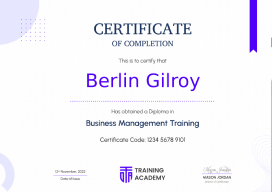
Once you’ve successfully completed your course, you will immediately be sent a digital certificate. Also, you can have your printed certificate delivered by post (shipping cost CA$9.99). All of our courses are fully accredited, providing you with up-to-date skills and knowledge and helping you to become more competent and effective in your chosen field.
The detailed curriculum outline of our Mental Health Counselling & Psychotherapy course is as follows:
This module introduces the fundamental concept of mental health and its role in overall wellbeing. Learners explore how mental health influences thoughts, emotions, behaviour, and relationships in everyday life. It also highlights why mental wellbeing is essential in healthcare and community support systems. This module provides a strong foundation for understanding mental health care practices.
This module explains the importance of building a safe, supportive, and trusting environment in counselling and psychotherapy settings. Learners study how a strong therapeutic relationship helps individuals feel understood and supported during treatment. It also focuses on empathy, active listening, and professional boundaries. This module highlights the human connection at the core of effective mental health support.
This module introduces different approaches and methods used in psychotherapy to support mental and emotional wellbeing. Learners explore various therapy styles and how they are applied based on individual needs. It also explains how these methods help individuals manage stress, trauma, and emotional challenges. This module builds awareness of professional therapeutic techniques used in practice.
This module covers common mental health conditions and their key symptoms. Learners understand how conditions such as anxiety, depression, and other disorders impact daily life and functioning. It also explains the importance of early identification and timely support. This module helps build awareness and understanding of mental health challenges.
This module introduces important laws, rights, and services related to mental health care. Learners explore how mental health systems are structured and how support services are delivered. It also highlights ethical responsibilities and patient rights within healthcare systems. This module ensures learners understand legal and professional frameworks in mental health care.
This module focuses on mental health challenges faced by children, adolescents, and adults. Learners study how mental health issues can differ across age groups and life stages. It also highlights the importance of age-appropriate care and intervention strategies. This module builds understanding of supporting mental wellbeing across all ages.
A: The education and training requirements to become a professional counsellor typically include completing a bachelor’s degree in psychology, counseling, or a related field, and then pursuing a master’s degree in counseling or clinical mental health.
Quick Summary: In general, a clinical psychologist will have had more hours of training, a more diverse experience in different therapeutic modalities and have gained more clinical experience and 1:1 supervision upon completing their qualification compared to counsellors, psychotherapists or CBT therapists.
A Master’s degree in counseling, psychology, or a related social service discipline is generally required, often including supervised clinical experience.
It often takes 6–8 years in total, consisting of a 4-year undergraduate degree, a 2–3 year master’s program, and supervised clinical work.
Psychotherapy training often takes 2 to 6+ years, combining education and supervised clinical experience.
| Module 01: Introduction to Mental Health | |||
| Introduction to Mental Health | 00:20:00 | ||
| Module 02: Therapeutic Relationship & Environment | |||
| Establishing positive therapeutic relationship | 00:10:00 | ||
| Stress – and Anger management | 00:13:00 | ||
| Person-Centred Therapy | 00:10:00 | ||
| Psychodynamic Therapy & Psychoanalysis | 00:11:00 | ||
| Gestalt Therapy | 00:13:00 | ||
| Existential Psychotherapy | 00:09:00 | ||
| Individual Psychotherapy | 00:06:00 | ||
| Module 03: Types & Forms of Psychotherapy | |||
| Group sessions (workshops) | 00:11:00 | ||
| Couple psychotherapy | 00:10:00 | ||
| Online (Skype) Therapy | 00:10:00 | ||
| Psychotherapy for Depression | 00:09:00 | ||
| Psychotherapy for Anxiety disorders | 00:07:00 | ||
| Psychotherapy for Schizophrenia | 00:10:00 | ||
| Gender Identity Disorder (Gender Dysphoria) | 00:10:00 | ||
| Module 04: Mental Health Conditions | |||
| Psychotherapy for Eating Disorders | 00:09:00 | ||
| Suicidal thinking & talking | 00:10:00 | ||
| Self-harm cases | 00:10:00 | ||
| How to set up own practice | 00:08:00 | ||
| Relationship breakdown | 00:09:00 | ||
| Where to advertise own services | 00:10:00 | ||
| Registration & Accreditation | 00:08:00 | ||
| Module 05: Mental Health Legislation and Services | |||
| Mental Health Legislation and Services | 00:29:00 | ||
| Module 06: Mental Health Problems in Young and Adults | |||
| Mental Health Problems In Youth And Adults | 00:06:00 | ||
| Trust Pilot Review | |||
| Trust Pilot Review | 00:00:00 | ||
PRIVATE
SAVE 0% - OFFER ENDS SOON
![]() |
01 Year of full Course access
Intermediate
Endorsed Certificate of Compleiton