144 Students
Manual handling is a major cause of workplace injuries across Canada, especially in sectors such as healthcare, warehousing, construction, retail, and logistics. Poor lifting techniques and unsafe handling practices can lead to long-term musculoskeletal issues, lost work time, and reduced workplace safety performance. This course introduces safe manual handling principles used in real Canadian workplace environments. Designed for beginners and …
Manual handling is a major cause of workplace injuries across Canada, especially in sectors such as healthcare, warehousing, construction, retail, and logistics. Poor lifting techniques and unsafe handling practices can lead to long-term musculoskeletal issues, lost work time, and reduced workplace safety performance. This course introduces safe manual handling principles used in real Canadian workplace environments.
Designed for beginners and frontline workers, the training focuses on injury prevention, risk awareness, safe lifting techniques, and legal responsibilities related to workplace safety. Learners explore how to assess manual handling tasks properly and reduce risk through practical, structured approaches used in health and safety systems.
Study online at your own pace and earn a recognised certification that supports workplace safety development. Strengthen your understanding of safe handling practices, reduce injury risk, and build confidence working in physically demanding environments.
Please note: This Manual Handling Interactive Training Course only gives you the theoretical knowledge that you need to excel in this field. This Course doesn’t entitle you to practise as a professional in this specific field.
This course is ideal for:
dAll of our courses, including this Manual Handling Interactive Training, are fully accredited, providing you with up-to-date skills and knowledge and helping you to become more competent and effective in your chosen field.
All of our courses are accredited by the CPD Quality Standards as conforming to universally accepted Continuing Professional Development (CPD) guidelines.
The Quality Licence Scheme (QLS) is a trusted endorsement framework that certifies high-quality, non-regulated training programmes across various sectors.
The Association of Healthcare Trainers (AoHT) promotes high-quality healthcare training, supporting providers to deliver relevant, industry-aligned education and improve professional standards.
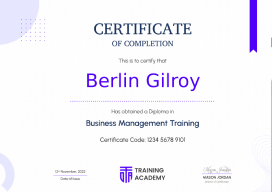
Once you’ve successfully completed your course, you will immediately be sent a digital certificate. Also, you can have your printed certificate delivered by post (shipping cost CA$9.99). All of our courses are fully accredited, providing you with up-to-date skills and knowledge and helping you to become more competent and effective in your chosen field.
The detailed curriculum outline of our Manual Handling Interactive Training is as follows:
This opening module sets the foundation by explaining what manual handling actually involves in real workplace settings such as warehouses, hospitals, construction sites, and retail environments. Learners explore why lifting, carrying, pushing, and pulling tasks are a routine part of many jobs across Canada. The module also highlights how improper handling techniques can quickly lead to avoidable injuries, making safe movement practices a key part of everyday workplace safety.
This module focuses on the physical impact of unsafe manual handling on the body, including common injuries such as back strain, muscle damage, joint stress, and long-term musculoskeletal disorders. Learners also examine the early warning signs of overexertion and repetitive strain. Alongside prevention strategies, the module explains how workplace accidents should be reported correctly, why documentation matters, and how reporting helps improve safety standards and reduce future risks.
Here, learners are introduced to the structured process of risk assessment used in Canadian workplace health and safety systems. The module explains how employers and workers identify hazards before tasks begin, evaluate risk levels, and decide whether additional control measures are needed. It also covers key legal responsibilities surrounding manual handling, helping learners understand how workplace safety laws are applied in real operational environments to protect employees and reduce liability.
This section shifts from theory to practical application, focusing on how workplace risks can be reduced through safe working habits. Learners explore correct posture, safe lifting techniques, team lifting methods, and the use of equipment designed to minimise physical strain. It also looks at workplace organisation strategies such as load planning and safe movement pathways, helping learners understand how small adjustments in behaviour can significantly reduce injury risk.
The final module reinforces everything covered in the course through applied scenarios and knowledge-based questions. Learners are encouraged to think through real workplace situations and identify the safest handling approach. This helps consolidate understanding of manual handling principles and ensures learners can confidently apply safe practices in everyday working conditions.
Manual handling training teaches safe techniques for lifting, carrying, pushing, and moving loads to reduce the risk of workplace injuries.
It helps prevent musculoskeletal injuries, improves workplace safety, and ensures compliance with health and safety regulations in Canada.
Anyone who lifts, carries, pushes, or moves objects at work, including healthcare workers, warehouse staff, construction workers, and retail employees.
Common injuries include back strain, muscle injuries, joint damage, and long-term musculoskeletal disorders.
Many workplaces require manual handling training as part of occupational health and safety compliance, especially in high-risk industries.
It supports employability in roles that require physical work and demonstrates awareness of workplace safety practices.
| Module 01: Introduction to Manual Handling | |||
| Introduction to Manual Handling. | 00:28:00 | ||
| Module 02: Manual Handling Injuries, Prevention and Reporting Accidents | |||
| Manual Handling Injuries, Prevention and Reporting Accidents. | 00:16:00 | ||
| Module 03: Manual Handling Risk Assessments and Legislation | |||
| Manual Handling Risk Assessments and Legislation. | 00:18:00 | ||
| Module 04: Reducing, Controlling Risks and Safe Practices | |||
| Reducing, Controlling Risks and Safe Practices. | 00:10:00 | ||
| Module 05: Test Your Knowledge | |||
| Test Your Knowledge with Interactive Questions | 00:43:00 | ||
| Additional Reading Materials | |||
| Additional Reading Materials – Manual Handling Interactive Training | 04:00:00 | ||
| Google Review | |||
| Google Review | 00:00:00 | ||
$125 Original price was: $125.$20Current price is: $20. ex VAT
SAVE 84% - OFFER ENDS SOON
![]() |