217 Students
Canada’s growing healthcare and social care sectors continue to create demand for skilled care workers who can support adults with dignity, compassion, and confidence. This Level 3 Diploma in Adult Care provides comprehensive knowledge of adult care practices, health and social care principles, safeguarding responsibilities, and person-centred support across different care settings. Designed for both aspiring care workers and those …
Canada’s growing healthcare and social care sectors continue to create demand for skilled care workers who can support adults with dignity, compassion, and confidence. This Level 3 Diploma in Adult Care provides comprehensive knowledge of adult care practices, health and social care principles, safeguarding responsibilities, and person-centred support across different care settings.
Designed for both aspiring care workers and those already working in care environments, this course develops knowledge in domiciliary care, medication administration, infection control, mental health support, communication, adult nursing, nutrition, mobility assistance, and end-of-life care. Learners can apply these skills in residential care homes, community care services, home care settings, assisted living facilities, and healthcare support roles throughout Canada.
Study online at your own pace and gain a recognised certification that demonstrates your commitment to adult care and continuous professional development. Take the next step towards a rewarding career in Canada’s health and social care sector.
Please note: This Level 3 Diploma in Adult Care Course only gives you the theoretical knowledge that you need to excel in this field. This Course doesn’t entitle you to practise as a professional in this specific field.
By the end of the Mental Health First Aid Course, learners will be able to:
These outcomes are focused on real-life application in environments such as Canadian hospitals, schools, long-term care homes, and workplace settings.
This course is ideal for:
No previous experience is required. The content is designed to guide learners step-by-step, making it suitable for those entering health and social care fields in Canada or expanding their awareness of mental wellbeing.
All of our courses, including this Level 3 Diploma in Adult Care, are fully accredited, providing you with up-to-date skills and knowledge and helping you to become more competent and effective in your chosen field.
All of our courses are accredited by the CPD Certification Service as conforming to universally accepted Continuing Professional Development (CPD) guidelines.

The Quality Licence Scheme (QLS) is a trusted endorsement framework that certifies high-quality, non-regulated training programmes across various sectors.

The Association of Healthcare Trainers (AoHT) promotes high-quality healthcare training, supporting providers to deliver relevant, industry-aligned education and improve professional standards.

Once you’ve successfully completed your course, you will immediately be sent a digital certificate. Also, you can have your printed certificate delivered by post (shipping cost CA$9.99). All of our courses are fully accredited, providing you with up-to-date skills and knowledge and helping you to become more competent and effective in your chosen field.
Explore how care needs change throughout adulthood, from younger adults to older individuals. Learn how physical, emotional, social, and cognitive developments influence care planning and the delivery of person-centred support.
Gain a clear understanding of the responsibilities involved in supporting adults across different care settings. The module focuses on promoting dignity, independence, equality, respect, and individual choice while maintaining professional standards.
Discover the principles and practices of providing care within an individual’s own home. Learn how domiciliary care supports independence, enhances quality of life, and enables individuals to remain active within their communities.
Examine key health and safety requirements relevant to home care environments. Topics include risk assessment, manual handling, accident prevention, lone working, and creating safer care settings for both carers and service users.
Develop knowledge of infection prevention measures used in healthcare and social care environments. Learn about hygiene standards, infection transmission routes, personal protective equipment (PPE), and effective infection control practices.
Learn the essential principles of basic life support and emergency response. This module covers recognising emergencies, responding appropriately, and understanding the importance of timely intervention during critical situations.
Explore safe medication handling, storage, administration, and documentation procedures. Learn how medication errors can be prevented while ensuring the safety, wellbeing, and rights of individuals receiving care.
Gain insight into a range of mental health conditions and their impact on daily living. Learn approaches that support emotional wellbeing, promote inclusion, and help individuals maintain the highest possible quality of life.
Understand how to identify, prevent, and respond to different forms of abuse, neglect, and exploitation. This module highlights the importance of protecting vulnerable adults and promoting their safety and wellbeing.
Explore the laws, regulations, and legal frameworks that guide safeguarding practices in care settings. Learn how legislation supports accountability and helps ensure the protection of individuals receiving care and support.
Examine safeguarding policies and the specific responsibilities of care workers, managers, and organisations. Learn how effective safeguarding procedures contribute to safer and more supportive care environments.
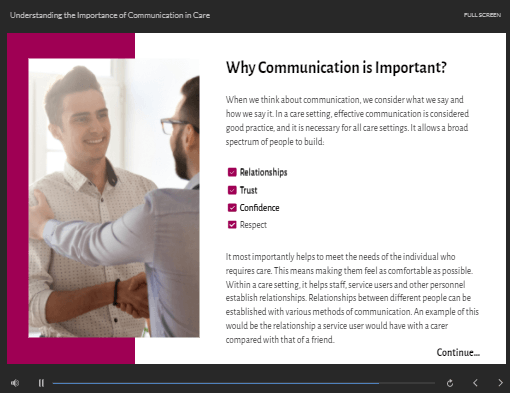
Discover how effective communication supports trust, cooperation, and person-centred care. The module explores verbal, non-verbal, written, and professional communication techniques used within healthcare settings.
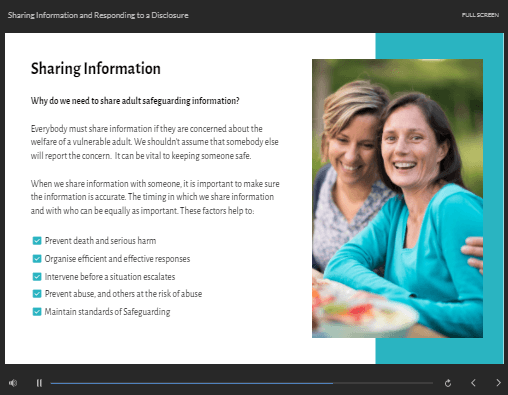
Learn how to handle confidential information responsibly while respecting privacy and professional boundaries. Understand the appropriate steps to take when individuals disclose concerns, abuse, or safeguarding issues.
Develop knowledge of reporting procedures used when concerns about safety, wellbeing, or safeguarding arise. Learn the importance of accurate documentation, escalation pathways, and timely action to protect vulnerable individuals.
Explore the foundations of adult nursing and its role in promoting health, recovery, and wellbeing. The module introduces essential nursing concepts used to support individuals with a variety of healthcare needs.
Gain a broader understanding of workplace health and safety principles within healthcare and social care environments. Learn how to identify hazards, manage risks, and contribute to a safe and supportive workplace culture.
Understand the importance of maintaining high standards of personal and environmental hygiene. Topics include infection prevention, cleanliness, hand hygiene, and practices that help protect both carers and care recipients.
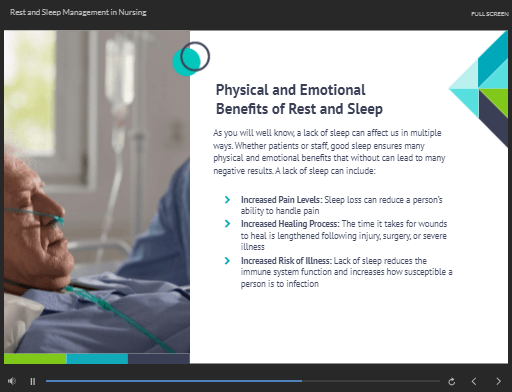
Explore the role of rest and sleep in maintaining physical health, emotional wellbeing, and recovery. Learn how care workers can support individuals experiencing sleep disturbances or sleep-related challenges.
Examine the physical and emotional effects of reduced mobility and prolonged immobility. Learn how safe movement techniques and mobility support can improve comfort, independence, and overall wellbeing.
Develop an understanding of different types of pain and methods used to assess and manage discomfort. The module emphasises person-centred approaches that help improve quality of life and support recovery.
Learn about nutritional needs across adulthood and the role of balanced nutrition in maintaining health. Explore how proper nutrition supports healing, energy levels, disease prevention, and overall wellbeing.
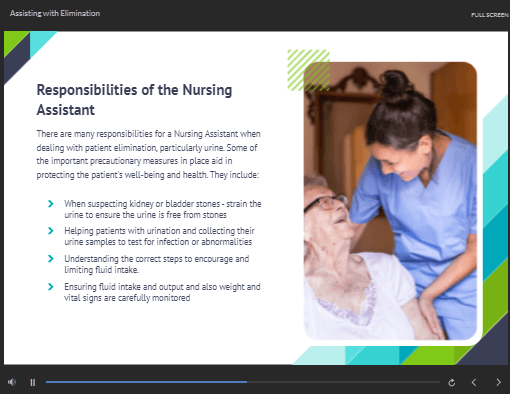
Understand how to provide support with toileting and elimination needs while maintaining dignity, privacy, and respect. Learn about common elimination issues and appropriate care approaches.
Explore how the respiratory system supports oxygen delivery throughout the body. Learn about factors that affect oxygenation, common respiratory concerns, and methods used to monitor and support respiratory health.
Gain insight into compassionate end-of-life care and the support needs of individuals and families during this stage of life. Learn how physical, emotional, social, and spiritual care contribute to comfort and dignity.
Examine the structure, principles, and importance of health and social care services. Explore integrated care approaches, multidisciplinary working, and the role of care professionals in supporting diverse populations.
Yes. The course is designed for both beginners and individuals already working in health and social care environments.
You will study adult care, domiciliary care, medication management, safeguarding, infection control, mental health care, communication, nutrition, mobility support, and end-of-life care.
Safeguarding helps protect vulnerable adults from abuse, neglect, exploitation, and harm while promoting their rights, dignity, and wellbeing.
The knowledge gained may support roles in home care, community care, residential care, healthcare assistance, and adult support services.
Yes. The course is delivered online, allowing learners to study at their own pace and around existing commitments.
Yes. Learners receive a certificate upon successful completion of the course requirements.
| Level 3 Diploma in Adult Care | |||
| Module 1: Adult Care in Different Life Stages | 00:16:00 | ||
| Module 2: Working with Adults | 00:30:00 | ||
| Module 3: Introduction to Domiciliary Care | 00:15:00 | ||
| Module 4: Health and Safety for Domiciliary Carers | 00:33:00 | ||
| Module 5: CSTF Infection Prevention and Control | 00:37:00 | ||
| Module 6: CSTF Resuscitation – Basic Life Support | 00:24:00 | ||
| Module 7: Medication Management and Administration | 00:18:00 | ||
| Module 8: Mental Health Care | 00:23:00 | ||
| Module 9: Safeguarding of Vulnerable Adults | 00:15:00 | ||
| Module 10: Safeguarding Legislations | 00:25:00 | ||
| Module 11: Safeguarding Vulnerable Adults Policy, Roles and Responsibilities | 00:23:00 | ||
| Module 12: Importance of Communication in Care | 00:20:00 | ||
| Module 13: Sharing Information and Responding to a Disclosure | 00:20:00 | ||
| Module 14: Reporting Your Concern | 00:17:00 | ||
| Module 15: Adult Nursing | 00:15:00 | ||
| Module 16: Health and Safety | 00:45:00 | ||
| Module 17: Hygiene | 00:28:00 | ||
| Module 18: Rest and Sleep Management | 00:17:00 | ||
| Module 19: Mobility and Immobility Issues of Patients | 00:15:00 | ||
| Module 20: Pain Management | 00:22:00 | ||
| Module 21: Nutrition | 00:23:00 | ||
| Module 22: Assisting with Elimination | 00:28:00 | ||
| Module 23: Oxygenation | 00:28:00 | ||
| Module 24: Introduction to End of Life Care | 00:18:00 | ||
| Module 25: Health and Social Care | 00:19:00 | ||
$125 Original price was: $125.$20Current price is: $20. ex VAT
SAVE 84% - OFFER ENDS SOON
![]() |
01 Year of full Course access
Level 3
Endorsed Certificate of Compleiton