1449 Students
The Level 3 Designated Safeguarding Lead Training Training Course is ideal for those who work in the health or social care sector, as well as anyone with child or vulnerable adult safeguarding responsibilities. It explores key legislation, how to identify abuse and report safeguarding concerns. Through case studies and practical exercises, you will develop all the skills you need to …
A single missed safeguarding concern can change a child or vulnerable adult’s life — and that’s why strong leadership in protection matters. This Level 3 Designated Safeguarding Lead Training is designed for individuals in Canada working in education, healthcare, childcare, and community support sectors who carry responsibility for safeguarding children and vulnerable adults. It focuses on developing advanced understanding of protection procedures, legal responsibilities, and leadership roles in safeguarding practice.
The course is suitable for experienced professionals as well as those stepping into safeguarding lead positions. It builds strong capability in identifying risks, managing disclosures, coordinating responses, and ensuring correct reporting procedures across Canadian workplaces such as schools, healthcare facilities, and social service organisations.
Delivered fully online with flexible, self-paced learning, this course allows learners to study alongside work commitments. On completion, learners receive a recognised certificate that supports career development in safeguarding roles across Canada. Enrol today to strengthen your leadership in safeguarding practice.
Please note: This Mental Health First Aid Course only gives you the theoretical knowledge that you need to excel in this field. This Course doesn’t entitle you to practise as a professional in this specific field.
This course is ideal for:
All of our courses, including this Level 3 Designated Safeguarding Lead Training, are fully accredited, providing you with up-to-date skills and knowledge and helping you to become more competent and effective in your chosen field.
All of our courses are accredited by the CPD Quality Standards as conforming to universally accepted Continuing Professional Development (CPD) guidelines.

The Quality Licence Scheme (QLS) is a trusted endorsement framework that certifies high-quality, non-regulated training programmes across various sectors.

The Association of Healthcare Trainers (AoHT) promotes high-quality healthcare training, supporting providers to deliver relevant, industry-aligned education and improve professional standards.

Once you’ve successfully completed your course, you will immediately be sent a digital certificate. Also, you can have your printed certificate delivered by post (shipping cost CA$9.99). All of our courses are fully accredited, providing you with up-to-date skills and knowledge and helping you to become more competent and effective in your chosen field.
This section introduces the foundation of adult safeguarding, focusing on protecting individuals who may be at increased risk due to age, disability, illness, or dependency. Learners explore how dignity, respect, and person-centred care form the basis of safe practice across Canadian care and community environments.
This part breaks down the key legal frameworks that shape safeguarding practice. It explains duty of care, professional accountability, and how legislation guides decision-making when concerns about vulnerable adults arise in real workplace situations.
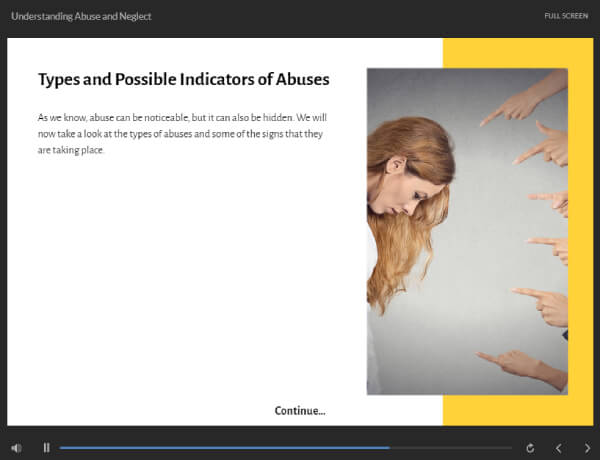
Here, learners develop a deeper understanding of abuse in all its forms, including physical, emotional, financial abuse, and neglect. The focus is on recognising subtle warning signs, behavioural changes, and the wider impact abuse can have on a person’s wellbeing and independence.
This section explores how safeguarding policies are applied within organisations and why clear responsibilities are essential. It highlights the role of safeguarding leads, frontline staff, and management in creating a safe and accountable working environment.
Effective safeguarding relies on strong communication. This topic covers how to approach sensitive conversations, build trust, and ensure individuals feel heard and supported while maintaining professionalism in care settings.
Learners explore how to manage disclosures with care and responsibility. It focuses on responding appropriately, sharing information securely with the right authorities, and ensuring safeguarding procedures are followed without delay.
This final section explains how concerns should be escalated within safeguarding frameworks. It covers accurate documentation, reporting pathways, and ensuring that every concern is recorded and acted upon in line with safeguarding standards.
This section builds foundational understanding of child protection and explains why safeguarding is essential across schools, childcare services, healthcare environments, and community programmes in Canada.
Learners examine the legal responsibilities and safeguarding frameworks that guide child protection practice, including professional duties, compliance expectations, and reporting obligations.
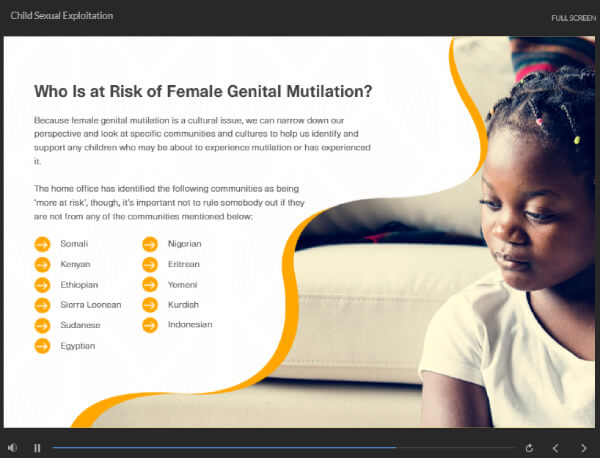
This topic explores the different forms of abuse affecting children and how they may present in behaviour, appearance, or emotional wellbeing. It helps learners develop the ability to identify concerns early and accurately.
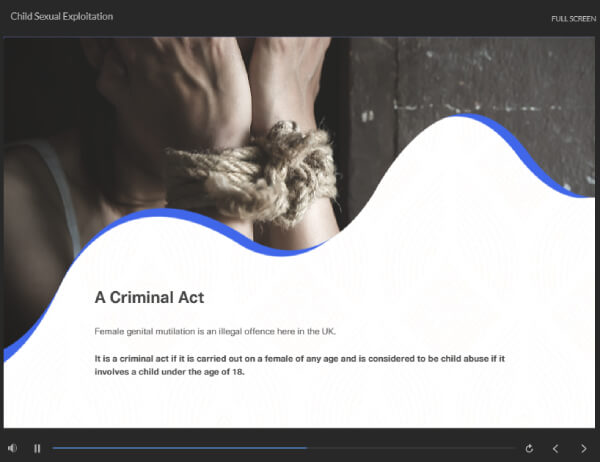
This section focuses on recognising grooming behaviour, exploitation patterns, and online risks. It also builds awareness of how vulnerable situations develop and escalate over time.
Learners gain insight into how to respond when a child shares sensitive information, including how to listen safely, remain calm, and follow correct safeguarding reporting procedures.
This topic develops understanding of how to assess safeguarding risks, evaluate levels of concern, and make informed decisions to protect children in different environments.
This section explains what happens after a safeguarding referral, including follow-up responsibilities, communication with relevant services, and ongoing monitoring of the situation.
Accurate documentation is essential in safeguarding practice. This topic focuses on maintaining clear, timely, and confidential records that support investigations and ensure accountability.
| Safeguarding Vulnerable Adults Training | |||
| Module 01: An Introduction to Safeguarding of Vulnerable Adults | 00:15:00 | ||
| Module 02: Safeguarding Legislations | 00:25:00 | ||
| Module 03: Understanding Abuse and Neglect | 00:25:00 | ||
| Module 04: Safeguarding Vulnerable AdultsPolicy, Roles and Responsibilities | 00:23:00 | ||
| Module 05: Understanding the Importance of Communication in Care | 00:20:00 | ||
| Module 06: Sharing Information and Responding To a Disclosure | 00:20:00 | ||
| Module 07: Reporting Your Concern | 00:17:00 | ||
| Safeguarding Children | |||
| Introduction to Safeguarding. | 00:21:00 | ||
| Laws and Guidance. | 00:42:00 | ||
| Child Abuse. | 00:48:00 | ||
| Child Sexual Exploitation. | 00:39:00 | ||
| Risks and Risk Assessment. | 00:16:00 | ||
| Responding to Disclosure and Reporting. | 00:32:00 | ||
| Things To Do After Referral | 00:22:00 | ||
| Record Keeping. | 00:17:00 | ||
| Mock Exam | |||
| Mock Exam – Level 3 Designated Safeguarding Lead Training | 00:20:00 | ||
| Final Exam | |||
| Final Exam – Level 3 Designated Safeguarding Lead Training | 00:20:00 | ||
| Trust Pilot Review | |||
| Trust Pilot Review | 00:00:00 | ||
$125 Original price was: $125.$20Current price is: $20. ex VAT
SAVE 84% - OFFER ENDS SOON
![]() |