1442 Students
Ever noticed how a single guided conversation can sometimes shift the way a person thinks, feels, and copes with life’s challenges? That is the foundation of psychotherapy, a growing field in Canada’s mental health and community care system where emotional support is becoming increasingly essential. The Introduction to Psychotherapy Course helps learners understand how therapeutic conversations are structured and how …
Ever noticed how a single guided conversation can sometimes shift the way a person thinks, feels, and copes with life’s challenges? That is the foundation of psychotherapy, a growing field in Canada’s mental health and community care system where emotional support is becoming increasingly essential.
The Introduction to Psychotherapy Course helps learners understand how therapeutic conversations are structured and how different approaches are used to support individuals facing stress, anxiety, and emotional difficulties. It is suitable for beginners, students, and anyone interested in counselling, psychology, or mental health support roles across Canadian healthcare and community settings.
With flexible online study and self-paced learning, this course fits around your routine while building strong foundational awareness of therapy practices. Gain a recognised certificate that supports your development in Canada’s expanding mental health and support services sector.
Please note: This Mental Health First Aid Course only gives you the theoretical knowledge that you need to excel in this field. This Course doesn’t entitle you to practise as a professional in this specific field.
By the end of the Introduction to Psychotherapy Course, learners will be able to:
All of our courses, including this Introduction to Psychotherapy Course, are fully accredited, providing you with up-to-date skills and knowledge and helping you to become more competent and effective in your chosen field.
All of our courses are accredited by the CPD Quality Standards as conforming to universally accepted Continuing Professional Development (CPD) guidelines.
The Quality Licence Scheme (QLS) is a trusted endorsement framework that certifies high-quality, non-regulated training programmes across various sectors.

The Association of Healthcare Trainers (AoHT) promotes high-quality healthcare training, supporting providers to deliver relevant, industry-aligned education and improve professional standards.
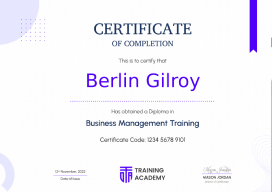
Once you’ve successfully completed your course, you will immediately be sent a digital certificate. Also, you can have your printed certificate delivered by post (shipping cost CA$9.99). All of our courses are fully accredited, providing you with up-to-date skills and knowledge and helping you to become more competent and effective in your chosen field.
Psychotherapy is introduced as a structured approach to supporting emotional wellbeing and mental health across diverse populations. Learners gain an understanding of how therapeutic support fits into Canada’s growing healthcare and community care systems, and why it is increasingly important today.
This section breaks down how psychotherapy works in real practice, including the role of communication, trust, and guided conversation. Learners explore how therapy helps individuals manage emotional distress, behavioural patterns, and mental health challenges.
Attention is given to the early foundations of working in psychotherapy, including professional expectations, ethical awareness, and basic principles that guide safe and responsible practice in therapeutic environments.
Different types of individuals who may benefit from psychotherapy are explored in detail. This includes people experiencing anxiety, depression, trauma, stress-related concerns, and other emotional or psychological difficulties.
A range of therapeutic approaches is introduced, helping learners understand how different methods are applied depending on client needs. Cognitive, behavioural, and humanistic approaches are explained in a practical and easy-to-understand way.
The growing use of online therapy is explored, focusing on how digital platforms are changing access to mental health support in Canada. Learners understand the benefits, structure, and considerations of virtual counselling sessions.
An introduction to psychotherapy course provides foundational knowledge about how therapy works, different therapeutic approaches, and how psychological support is used to help individuals manage emotional and mental health challenges.
Psychotherapy involves structured conversations between a trained practitioner and a client to help understand thoughts, emotions, behaviours, and coping strategies for mental health and wellbeing.
In Canada, beginners, students, healthcare support workers, and individuals interested in mental health careers can study introductory psychotherapy courses, especially those designed for foundational learning.
Psychotherapy and counselling are closely related, but psychotherapy often focuses more on deeper emotional patterns and long-term mental health support, while counselling may focus on specific issues or short-term guidance.
Entry-level roles may include mental health support worker, community support worker, counselling assistant, behavioural support aide, and roles in healthcare or social care environments.
Many online psychotherapy and mental health courses offer certification for professional development, but formal clinical practice in Canada requires regulated qualifications depending on the province.
Important skills include communication, empathy, active listening, emotional awareness, understanding human behaviour, and maintaining professional boundaries.
| Module 01: Introduction to the course | |||
| About the Course | 00:04:00 | ||
| About the Instructor | 00:02:00 | ||
| Module 02: Understanding Psychotherapy | |||
| What is Psychotherapy? | 00:08:00 | ||
| A Short Historical Introduction | 00:07:00 | ||
| Psychology, Counselling & Psychotherapy | 00:08:00 | ||
| Where do Psychotherapists work? | 00:08:00 | ||
| Module 03: Starting Psychotherapy Practice | |||
| Who Can Benefit from Psychotherapy? | 00:08:00 | ||
| Short-Term Vs Long-Term Therapy | 00:08:00 | ||
| Therapeutic Relationship | 00:07:00 | ||
| Module 04: Your Potential Clients in Therapy | |||
| What does the First Psychotherapy Session Involve? | 00:08:00 | ||
| Psychotherapy for Children | 00:12:00 | ||
| Individual and Group Sessions | 00:07:00 | ||
| Family Therapy | 00:08:00 | ||
| Psychodynamic Approach | 00:06:00 | ||
| Unconscious Processes (The Unconscious Mind) | 00:08:00 | ||
| Module 05: Different Types of Psychotherapy | |||
| Defense Mechanisms | 00:08:00 | ||
| Humanistic Approach | 00:07:00 | ||
| Cognitive Behavioural Approach (CBT) | 00:08:00 | ||
| Face-to-face Vs ‘Online’ Psychotherapy | 00:08:00 | ||
| Module 06: Internet-Based Therapy | |||
| How to Become an ‘Online Psychotherapist’? | 00:09:00 | ||
| Thank You and Good Bye! | 00:02:00 | ||
| Resources | |||
| Resources – Introduction to Psychotherapy | 00:00:00 | ||
| Trust Pilot Review | |||
| Trust Pilot Review | 00:00:00 | ||
$125 Original price was: $125.$20Current price is: $20. ex VAT
SAVE 84% - OFFER ENDS SOON
![]() |