656 Students
Global trade, international disputes, environmental agreements, and human rights policies all operate within complex legal systems that cross national borders. The International Law course explores how international legal frameworks influence relations between countries, organisations, businesses, and global institutions in today’s interconnected world. Designed for beginners, legal studies learners, public service workers, and individuals interested in global affairs, this course introduces …
Global trade, international disputes, environmental agreements, and human rights policies all operate within complex legal systems that cross national borders. The International Law course explores how international legal frameworks influence relations between countries, organisations, businesses, and global institutions in today’s interconnected world.
Designed for beginners, legal studies learners, public service workers, and individuals interested in global affairs, this course introduces international criminal law, commercial law, environmental law, human rights, treaties, jurisdiction, and international organisations. Learners will examine how international legal systems shape diplomacy, trade, justice, and global cooperation.
From maritime law to international courts and environmental agreements, this course offers a broad introduction to some of the world’s most influential legal principles. Discover how international law affects governments, industries, and societies while building valuable knowledge for future academic and career pathways.
Please note: This International Law (Criminal Law, Commercial Law, Environmental Law & More!) Course only gives you the theoretical knowledge that you need to excel in this field. This Course doesn’t entitle you to practise as a professional in this specific field.
This course is ideal for:
All of our courses, including this International Law (Criminal Law, Commercial Law, Environmental Law & More!) Course, are fully accredited, providing you with up-to-date skills and knowledge and helping you to become more competent and effective in your chosen field.
All of our courses are accredited by the CPD Quality Standards as conforming to universally accepted Continuing Professional Development (CPD) guidelines.
The Quality Licence Scheme (QLS) is a trusted endorsement framework that certifies high-quality, non-regulated training programmes across various sectors.

The Association of Healthcare Trainers (AoHT) promotes high-quality healthcare training, supporting providers to deliver relevant, industry-aligned education and improve professional standards.
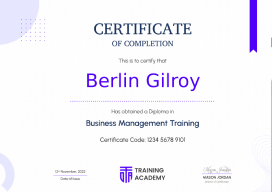
Once you’ve successfully completed your course, you will immediately be sent a digital certificate. Also, you can have your printed certificate delivered by post (shipping cost CA$9.99). All of our courses are fully accredited, providing you with up-to-date skills and knowledge and helping you to become more competent and effective in your chosen field.
Start by exploring the foundations of international law and how legal systems regulate relationships between countries and international actors. Learners will gain an overview of global legal principles and legal cooperation.
This module explains the main sources of international law, including treaties, customs, legal principles, and judicial decisions. Learners will understand how international legal rules are developed and recognised.
Explore the relationship between international law and domestic legal systems. The module examines how countries apply international legal obligations within their own national laws.
Learn about major international organisations and their role in diplomacy, peacekeeping, global cooperation, and international governance. The module also highlights how organisations influence international legal systems.
Human rights remain a central part of international law and global justice. This module explores international human rights principles, protections, and legal frameworks designed to support human dignity and equality.
This section introduces private international law and explains how legal disputes involving individuals, businesses, or organisations across different countries are managed.
Discover how international criminal law addresses serious crimes such as genocide, war crimes, and crimes against humanity. Learners will also examine international courts and legal accountability systems.
Treaties form the basis of many international agreements and diplomatic relationships. This module explains how treaties are created, interpreted, enforced, and applied within international law.
Explore legal principles related to territory, borders, sovereignty, and jurisdiction between nations. The module also examines how countries exercise legal authority in international contexts.
This module focuses on international laws governing oceans, maritime rights, navigation, and marine resources. Learners will explore how countries manage territorial waters and international sea regulations.
Global trade and business operations rely on international commercial law to regulate agreements and transactions between countries. This module examines legal frameworks linked to international business activities.
Conclude the course by exploring international environmental law and global legal efforts aimed at addressing climate change, environmental protection, and sustainability challenges.
International law refers to legal rules and agreements that govern relationships between countries, international organisations, and global institutions.
This course covers international criminal law, commercial law, environmental law, treaties, jurisdiction, human rights, maritime law, and international organisations.
International law supports global cooperation, trade, diplomacy, environmental protection, human rights, and conflict resolution between nations.
Yes. The course is designed for beginners and does not require previous legal studies experience.
International organisations are institutions formed by countries to support cooperation on global issues such as peace, trade, health, and environmental protection.
Yes. The course can support learners interested in legal studies, policy support, public service, compliance, and international affairs.
Yes. Learners receive a certificate upon successful completion of the course for continuing education and career development.
| Module 01: Basics of International Law | |||
| Basics of International Law | 00:21:00 | ||
| Module 02: Sources of International Law | |||
| Sources of International Law | 00:26:00 | ||
| Module 03: International Law and Municipal Law | |||
| International Law and Municipal Law | 00:14:00 | ||
| Module 04: International Organisations | |||
| International Organisations | 00:21:00 | ||
| Module 05: International of Human Rights | |||
| International Human Rights Law | 00:21:00 | ||
| Module 06: Private International Law | |||
| Private International Law | 00:13:00 | ||
| Module 07: International Criminal Law | |||
| International Criminal Law | 00:15:00 | ||
| Module 08: Law of Treaties | |||
| Law of Treaties | 00:15:00 | ||
| Module 09: Territory and Jurisdiction | |||
| Territory and Jurisdiction | 00:18:00 | ||
| Module 10: Law of the Sea | |||
| Law of the Sea | 00:24:00 | ||
| Module 11: International Commercial Law | |||
| International Commercial Law | 00:13:00 | ||
| Module 12: International Environmental Law | |||
| International Environmental Law | 00:20:00 | ||
| Google Review | |||
| Google Review | 00:00:00 | ||
$125 Original price was: $125.$20Current price is: $20. ex VAT
SAVE 84% - OFFER ENDS SOON
![]() |
01 Year of full Course access
Intermediate
Endorsed Certificate of Compleiton