174 Students
The Food Safety and Allergenic Hazards Course is designed to provide essential knowledge of food safety practices, allergen management, and legal responsibilities within the food industry. Food safety is critical for protecting consumers from foodborne illnesses, contamination, and allergic reactions while ensuring compliance with food regulations and industry standards. This course explores microbiological, physical, chemical, and allergenic hazards that can …
The Food Safety and Allergenic Hazards Course is designed to provide essential knowledge of food safety practices, allergen management, and legal responsibilities within the food industry. Food safety is critical for protecting consumers from foodborne illnesses, contamination, and allergic reactions while ensuring compliance with food regulations and industry standards.
This course explores microbiological, physical, chemical, and allergenic hazards that can affect food safety. Learners will gain practical knowledge of food poisoning prevention, food storage, personal hygiene, HACCP principles, cleaning procedures, and allergen control measures that help create safer food environments.
Whether you work in hospitality, catering, food manufacturing, childcare, healthcare, education, or public health, this CPD-accredited course provides valuable skills for maintaining high food safety standards. With tutor support, interactive learning materials, lifetime access, and an instant free CPD certificate, it offers flexible training recognised across Canada.
Please note: This Food Safety and Allergenic Hazards Course only gives you the theoretical knowledge that you need to excel in this field. This Course doesn’t entitle you to practise as a professional in this specific field.
This course is ideal for:
All of our courses, including this Food Safety and Allergenic Hazards, are fully accredited, providing you with up-to-date skills and knowledge and helping you to become more competent and effective in your chosen field.
All of our courses are accredited by the CPD Quality Standards as conforming to universally accepted Continuing Professional Development (CPD) guidelines.
The Quality Licence Scheme (QLS) is a trusted endorsement framework that certifies high-quality, non-regulated training programmes across various sectors.
The Association of Healthcare Trainers (AoHT) promotes high-quality healthcare training, supporting providers to deliver relevant, industry-aligned education and improve professional standards.
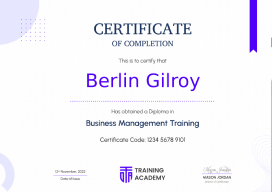
Once you’ve successfully completed your course, you will immediately be sent a digital certificate. Also, you can have your printed certificate delivered by post (shipping cost CA$9.99). All of our courses are fully accredited, providing you with up-to-date skills and knowledge and helping you to become more competent and effective in your chosen field.
Learn the fundamentals of food safety and food legislation. Understand legal responsibilities and compliance requirements within the food industry.
Explore common bacteria and microorganisms that can contaminate food. Learn how microbiological hazards affect food safety and public health.
Understand different types of food hazards, including allergens. Learn how contamination occurs and how to minimize risks.
Study the causes of food poisoning and methods for prevention. Learn practical control measures used in food environments.
Learn how food spoilage occurs and how proper storage extends food safety and quality. Understand temperature control and storage practices.
Explore the importance of personal hygiene in food handling. Learn how hygiene practices reduce contamination risks.
Understand HACCP principles and their role in food safety management. Learn how safe food premises support compliance and consumer protection.
Learn effective cleaning and sanitation procedures. Understand how cleaning contributes to food safety and hazard prevention.
Explore food safety measures introduced during COVID-19. Learn best practices for maintaining safe operations during public health challenges.
Allergenic hazards are substances in food that can trigger allergic reactions in sensitive individuals.
Allergen safety involves identifying, controlling, and communicating allergen risks to protect consumers.
An allergenic hazard is any food ingredient or substance that may cause an allergic reaction.
Prevent allergenic hazards through proper food handling, clear labelling, staff training, and avoiding cross-contamination.
Common allergenic hazards include peanuts, tree nuts, milk, eggs, soy, wheat, fish, and shellfish.
No drink can cure allergies. Individuals with allergies should follow medical advice and avoid known allergens.
Allergen risk refers to the likelihood of exposure to allergens that could cause allergic reactions in consumers.
| Level 2 Food Hygiene and Safety for Catering | |||
| Introduction to Food Safety and the Law | 00:29:00 | ||
| Bacteria and Microbiological Hazards. | 00:27:00 | ||
| Physical, Chemical and Allergenic Hazards | 00:25:00 | ||
| Food Poisoning and Control Measures. | 00:23:00 | ||
| Food Spoilage and Food Storage. | 00:25:00 | ||
| Personal Hygiene | 00:24:00 | ||
| HACCP and Food Premises. | 00:27:00 | ||
| Cleaning. | 00:20:00 | ||
| Reopening and Adapting Your Food Business During COVID-19 | 00:11:00 | ||
| Mock Exam | |||
| Mock Exam – Food Safety and Allergenic Hazards | 00:20:00 | ||
| Final Exam | |||
| Final Exam – Food Safety and Allergenic Hazards | 00:20:00 | ||
| Google Review | |||
| Google Review | 00:00:00 | ||
$50 Original price was: $50.$20Current price is: $20. ex VAT
SAVE 60% - OFFER ENDS SOON
![]() |
01 Year of full Course access
Intermediate
Endorsed Certificate of Compleiton