2081 Students
Food Hygiene and Safety Level 3 Food Hygiene and Safety Level 3 is for people stepping into senior or supervisory roles in catering and hospitality, where food safety isn’t just something you follow—it’s something you’re responsible for. It’s built for those who need to lead by example, guide staff, and make sure food safety standards are being followed properly across …
Food Hygiene and Safety Level 3 is for people stepping into senior or supervisory roles in catering and hospitality, where food safety isn’t just something you follow—it’s something you’re responsible for. It’s built for those who need to lead by example, guide staff, and make sure food safety standards are being followed properly across a busy workplace. If you’re moving into management or already there, this course helps you feel more confident handling that responsibility day to day.
At this level, food safety becomes less about personal tasks and more about oversight. You’re not just handling food—you’re making sure others are doing it correctly, consistently, and safely.
This Level 3 course goes deeper into how food hygiene systems actually work inside real businesses. It brings together legislation, supervision, hazard control, and practical workplace systems so you can see how everything connects in practice.
You’ll look closely at food safety management systems, including HACCP, and how they’re used to keep standards consistent across teams. There’s also a strong focus on supervision—how to guide staff, correct issues early, and maintain a workplace culture where food safety is taken seriously without it feeling forced or complicated.
A big part of the course also deals with real risks in food environments—contamination, allergens, temperature control, and food poisoning. These aren’t just topics on paper. They’re the kinds of issues that can show up on a normal, busy shift if systems aren’t being followed properly.
By the end, the idea is simple: you should feel more capable of managing food safety in a real operational setting, not just understanding it in theory.
By completing this course, learners will be able to:
This course is intended for people in supervisory or management roles within food and hospitality settings.
This qualification supports progression into leadership roles where food safety responsibility is part of the job.
In many workplaces, this level of training is used as a stepping stone into long-term leadership within the food industry.
This course is aligned with recognised UK and EU food safety standards and follows established industry expectations for Level 3 training.
All of our courses are accredited by the CPD Certification Service as conforming to universally accepted Continuing Professional Development (CPD) guidelines.
The Quality Licence Scheme (QLS) is a trusted endorsement framework that certifies high-quality, non-regulated training programmes across various sectors.
The Association of Healthcare Trainers (AoHT) promotes high-quality healthcare training, supporting providers to deliver relevant, industry-aligned education and improve professional standards.
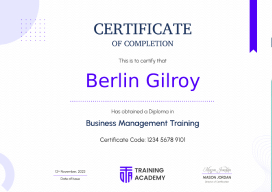
Once you’ve successfully completed your Level 3 Food Hygiene and Safety Course, you will immediately be sent a digital certificate. Also, you can have your printed certificate delivered by post (shipping cost £3.99). All of our courses are fully accredited, providing you with up-to-date skills and knowledge and helping you to become more competent and effective in your chosen field. Our certifications have no expiry dates, although we do recommend that you renew them every 12 months.
At the end of the Food Hygiene and Safety Level 3 course, there will be an online assessment, which you will need to pass to complete the course. Answers are marked instantly and automatically, allowing you to know straight away whether you have passed. If you haven’t, there’s no limit on the number of times you can take the final exam. All this is included in the one-time fee you paid for the course itself.
This module sets the foundation. It introduces food safety principles, common food-borne illnesses, and why certain groups are more vulnerable to risk. It also explains key terminology used throughout the course.
Here you’ll look at how structured food safety systems work, including HACCP, and how they are applied in real catering environments.
This section covers the legal responsibilities around food safety and how businesses are expected to comply in everyday operations.
You’ll explore practical tools used in food safety management, including monitoring systems and workplace procedures.
This module focuses on leadership in food safety—how to guide staff, maintain standards, and handle issues when they arise.
A closer look at microorganisms and how they impact food safety in real environments.
This section breaks down different types of contamination and how they enter food systems.
You’ll learn practical ways to reduce and prevent contamination in busy workplaces.
This module covers common causes of bacterial food poisoning and how outbreaks can happen.
A look at food poisoning caused by non-bacterial sources and how these risks are managed.
Introduction to allergens and why they are a serious concern in food safety management.
How businesses manage allergens safely and meet legal expectations.
Understanding how allergen information is communicated to customers.
Why temperature control matters and how it affects food safety.
Practical steps for monitoring and documenting temperature safely.
How and why food spoils, and the methods used to slow or prevent it.
How kitchen layout and equipment design affect hygiene and safety.
Proper cleaning routines and waste handling in food environments.
The module will look at different types of pests, contamination caused by pests, and the standard control measures. A due-diligence defence and the role of the supervisor in pest control will also be discussed here.
Understanding basic labelling rules and requirements.
Breaking down what information must appear on food labels.
How nutritional information is presented and used.
Standards expected from staff in food handling environments.
How to support and train team members in food hygiene practices.
The module will look at different types of pests, contamination caused by pests, and the standard control measures. A due-diligence defence and the role of the supervisor in pest control will also be discussed here.
Practical considerations for maintaining food safety during operational changes.
In the final module you will familiarize with all the new practices that have recently emerged to adapt to the new normal. You will learn in detail about the standard hygiene and safety practices needed to be followed to minimize the risk of contamination of COVID-19.
The Food Safety & Hygiene eLearning Course – Level 3 will include the content from both the Level 1 and Level 2 training and build on them to give delegates an understanding of the additional information needed in their roles. Delegates will learn about the importance of implementing good food hygiene management.
Food Safety Level 3 is essential for individuals in managerial and supervisory positions to ensure they have the comprehensive knowledge and skills needed to manage food safety effectively, comply with regulations, and lead their teams in maintaining the highest standards of food safety and hygiene.
TOP SHELF- Fully Cooked or Ready-to-Eat Foods.
Shelf 2- Ready-To-Eat Lunch Meats.
Shelf 3- Raw Seafood and Lamb.
Shelf 4- Veal, Raw Beef, and Pork Products.
Shelf 5- Ground Beef, Ground Meats and Fish, Shell Eggs.
BOTTOM- Raw Poultry.
SQF Level 3 certification is the gold standard for SQF-certified businesses. It’s also called the “Comprehensive Food Safety and Quality Management System.” At this level, growers, manufacturers, and distributors must meet all of the requirements of levels 1 and 2 and more.
| Food Hygiene and Safety Level 3 | |||
| Module 01: Introduction to Food Safety and Hygiene | 00:30:00 | ||
| Module 02: Food Safety Management System and HACCP | 00:44:00 | ||
| Module 03: Food Safety and Food Hygiene Legislation | 00:34:00 | ||
| Module 04: Food Safety Management Tools | 00:30:00 | ||
| Module 05: Supervision of Food Safety and Hygiene | 00:37:00 | ||
| Module 06: Microbiology | 00:28:00 | ||
| Module 07: Contamination Hazards | 00:28:00 | ||
| Module 08: Controlling Contamination | 00:39:00 | ||
| Module 09: Food Poisoning (Bacterial) and Food-Borne Illness | 00:32:00 | ||
| Module 10: Food Poisoning (Non-Bacterial) | 00:32:00 | ||
| Module 11: Basics of Food Allergens | 00:13:00 | ||
| Module 12: Allergen Guidance for Food Businesses | 00:22:00 | ||
| Module 13: Allergen Guidance for Consumers | 00:14:00 | ||
| Module 14: Food and Temperature Control | 00:34:00 | ||
| Module 15: Checking, Verifying and Recording Temperature | 00:25:00 | ||
| Module 16: Food Spoilage and Preservation | 00:38:00 | ||
| Module 17: Food Premises and Equipment: The Design and Construction | 00:35:00 | ||
| Module 18: Waste Disposal, Cleaning and Disinfection | 00:35:00 | ||
| Module 19: Pest Management | 00:29:00 | ||
| Module 20: General Principles of Food Labelling | 00:24:00 | ||
| Module 21: Components of a Food Label | 00:20:00 | ||
| Module 22: Nutrition Labelling | 00:20:00 | ||
| Module 23: Personal Hygiene | 00:30:00 | ||
| Module 24: Food Safety and Hygiene Training for the Staff | 00:29:00 | ||
| Module 25: Food Safety and Hygiene During Covid-19 | 00:11:00 | ||
| Mock Exam | |||
| Mock Exam – Food Hygiene and Safety Level 3 | 00:20:00 | ||
| Final Exam | |||
| Final Exam – Food Hygiene and Safety Level 3 | 00:20:00 | ||
| Trust Pilot Review | |||
| Trust Pilot Review | 00:00:00 | ||
$100 ex VAT
SAVE 0% - OFFER ENDS SOON
![]() |