863 Students
Level 3 Food Allergy Awareness Training develops advanced knowledge of food allergies, dietary sensitivities, allergen management, and food safety responsibilities. Learners explore allergen science, immune responses, allergies, intolerances, coeliac disease, labelling, risk assessment, documentation, and allergen controls. It suits food service managers, supervisors, chefs, catering staff, and others managing allergen safety in Canada. The course focuses on managing allergen risks …
Level 3 Food Allergy Awareness Training develops advanced knowledge of food allergies, dietary sensitivities, allergen management, and food safety responsibilities. Learners explore allergen science, immune responses, allergies, intolerances, coeliac disease, labelling, risk assessment, documentation, and allergen controls. It suits food service managers, supervisors, chefs, catering staff, and others managing allergen safety in Canada.
The course focuses on managing allergen risks across everyday food operations. Learners examine supplier checks, ingredient verification, segregation, cleaning, cross-contact prevention, staff training, consumer communication, and allergen management plans. This knowledge can support safer food practices across restaurants, catering, hospitality, and other food service environments.
Flexible online learning lets learners study at a convenient pace and revisit key topics when needed. The structured lessons cover allergen science, responsibilities, risk management, operational controls, training, and communication. Completing the course can strengthen allergen management knowledge and support career development in food service, catering, hospitality, and food safety.
The course develops a stronger understanding of how allergen risks can be identified, controlled, and communicated within food operations.
This training is designed for learners who have responsibilities for food preparation, supervision, allergen management, or food safety within Canadian food operations.
Once you’ve successfully completed your course, you will immediately be sent a digital certificate. Also, you can have your printed certificate delivered by post (shipping cost £3.99). All of our courses are fully accredited, providing you with up-to-date skills and knowledge and helping you to become more competent and effective in your chosen field. Our certifications have no expiry dates, although we do recommend that you renew them every 12 months.
Food allergen management requires more than knowing which foods can cause reactions. Clear procedures, reliable information, and consistent controls are essential across food operations.
Food allergy training can complement roles involving food preparation, supervision, food safety, and operational management. Salaries vary by province, employer, experience, and qualifications.
The course is suitable for learners developing or expanding their understanding of food allergen management.
All of our courses, including this Food Allergy Awareness Training – Level 3, are fully accredited, providing you with up-to-date skills and knowledge and helping you to become more competent and effective in your chosen field.
All of our courses are accredited by the CPD Quality Standards as conforming to universally accepted Continuing Professional Development (CPD) guidelines.
The Quality Licence Scheme (QLS) is a trusted endorsement framework that certifies high-quality, non-regulated training programmes across various sectors.

The Association of Healthcare Trainers (AoHT) promotes high-quality healthcare training, supporting providers to deliver relevant, industry-aligned education and improve professional standards.

The detailed curriculum outline of our Food Allergy Awareness Training – Level 3 is as follows
Start by exploring the science behind food allergies and dietary sensitivities. The module examines immune responses, the differences between allergies, intolerances, and coeliac disease, and the wider context of allergen prevalence.
Food businesses need clear knowledge of their responsibilities when managing allergens. This section examines regulatory compliance, allergen labelling, business and staff responsibilities, and the role of regulatory oversight in food operations.
Effective allergen control starts with a structured approach to identifying and managing risks. Learners explore allergen policies, management plans, risk assessments, documentation, and systems for reviewing allergen controls.
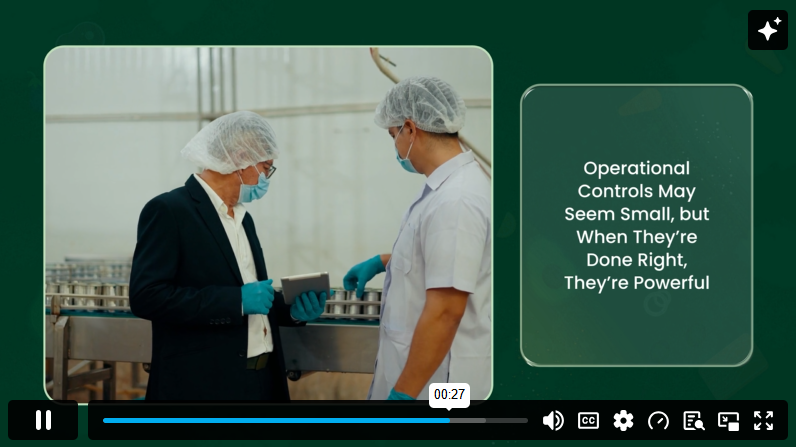
The focus shifts to how allergen controls work during everyday food operations. Topics include supplier verification, ingredient checks, segregation, storage, preparation, labelling, and cleaning procedures designed to reduce cross-contact.
Strong allergen management depends on informed staff and clear communication. Learners examine staff training, communication with consumers, organisational awareness, and ways to encourage a consistent culture of allergen safety.
You will learn about allergen science, immune responses, food allergies, intolerances, coeliac disease, allergen management plans, risk assessments, supplier checks, ingredient verification, segregation, cleaning, cross-contact prevention, staff training, and communication with consumers.
The course is suitable for food service managers, chefs, supervisors, catering staff, restaurant managers, food business owners, and food safety personnel who have responsibilities related to allergen management.
Yes. Although the course provides more advanced allergen management knowledge, it can be suitable for learners who want to develop their understanding without assuming extensive previous training in food allergy management.
A food allergy occurs when the immune system reacts to a particular food protein as though it were harmful. Reactions can range from mild symptoms to severe and potentially life-threatening reactions.
A food allergy involves an immune-system response, while a food intolerance generally does not. The symptoms, causes, and management approaches can differ, which is why food businesses need to take customer-reported dietary requirements seriously.
Yes. The training explains the distinction between food allergies, food intolerances, and coeliac disease and considers the importance of appropriate food management for people with different dietary conditions.
| Module 01: Advanced Allergen Science and Dietary Sensitivities | |||
| Introduction | 00:01:00 | ||
| 1.1. Advanced Allergen Science and Dietary Sensitivities | 00:01:00 | ||
| 1.1.1. Scientific and Clinical Understanding | 00:01:00 | ||
| 1.1.2. Immunological Responses to Allergens | 00:01:00 | ||
| 1.1.3. Differentiating Allergies, Intolerances, and Coeliac Disease | 00:01:00 | ||
| 1.1.4. Trends in Allergen Prevalence in the UK | 00:01:00 | ||
| Reading Materials | |||
| Advanced Allergen Science and Dietary Sensitivities | 00:00:00 | ||
| Module 02: Legal Framework and Enforcement | |||
| 2.1 Legal Framework and Enforcement | 00:01:00 | ||
| 2.1.1. Regulatory Compliance for Food Operators | 00:01:00 | ||
| 2.1.2. Natasha’s Law and Allergen Labelling Requirements | 00:01:00 | ||
| 2.1.3. Legal Roles of Food Businesses and Staff | 00:01:00 | ||
| 2.1.4. Monitoring and Enforcement by UK Authorities | 00:01:00 | ||
| Reading Materials | |||
| Legal Framework and Enforcement in the UK | 00:00:00 | ||
| Module 03: Strategic Allergen Risk Management | |||
| 3.1. Strategic Allergen Risk Management | 00:01:00 | ||
| 3.1.1. Policy Design and Risk Control | 00:01:00 | ||
| 3.1.2. Allergen Management Plans and Policy Setting | 00:01:00 | ||
| 3.1.3. Conducting and Reviewing Risk Assessments | 00:01:00 | ||
| 3.1.4. Maintaining Allergen Documentation and Logs | 00:01:00 | ||
| Reading Materials | |||
| Strategic Allergen Risk Management | 00:00:00 | ||
| Module 04: Operational Implementation and Oversight | |||
| 4.1. Operational Implementation and Oversight | 00:01:00 | ||
| 4.1.1. Controls Within the Food Chain | 00:01:00 | ||
| 4.1.2. Supplier Management and Ingredient Verification | 00:01:00 | ||
| 4.1.3. Segregation and Labelling During Storage and Preparation | 00:01:00 | ||
| 4.1.4. Cleaning Procedures to Prevent Cross-Contact | 00:01:00 | ||
| Reading Materials | |||
| Operational Implementation and Oversight | 00:00:00 | ||
| Module 05: Training, Communication, and Culture | |||
| 5.1. Training, Communication, and Culture | 00:01:00 | ||
| 5.1.1. Building Organisational Readiness | 00:01:00 | ||
| 5.1.2. Staff Training Requirements and Schedules | 00:01:00 | ||
| 5.1.3. Communicating Clearly with Consumers | 00:01:00 | ||
| 5.1.4. Promoting a Culture of Allergy Awareness | 00:01:00 | ||
| Reading Materials | |||
| Training, Communication, and Culture | 00:00:00 | ||
| Conclusion | |||
| Conclusion | 00:01:00 | ||
$125 Original price was: $125.$20Current price is: $20. ex VAT
SAVE 84% - OFFER ENDS SOON
![]() |
01 Year of full Course access
Level 3
Endorsed Certificate of Compleiton