787 Students
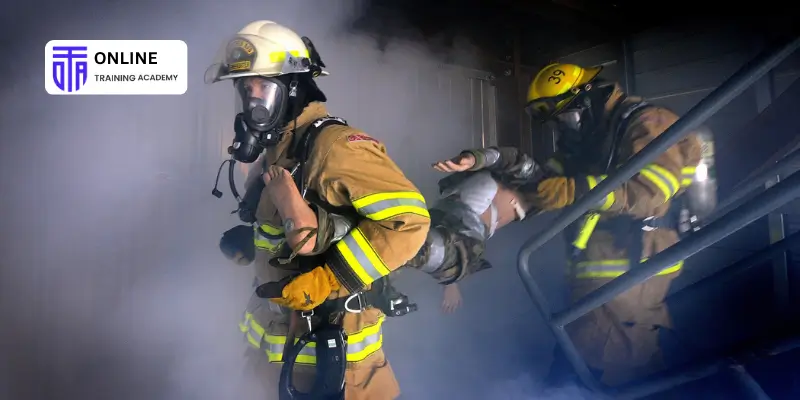
Fire Warden Training in Construction Level 2 develops essential knowledge for workers supporting fire safety and emergency preparedness on construction sites. Learners explore common fire hazards, smoke and fire spread, safety signs, emergency plans, risk assessments, evacuation procedures, and fire warden responsibilities. It is suitable for construction workers, site supervisors, fire wardens, and others with workplace fire safety duties in …

Fire Warden Training in Construction Level 2 develops essential knowledge for workers supporting fire safety and emergency preparedness on construction sites. Learners explore common fire hazards, smoke and fire spread, safety signs, emergency plans, risk assessments, evacuation procedures, and fire warden responsibilities. It is suitable for construction workers, site supervisors, fire wardens, and others with workplace fire safety duties in Canada.
The training helps learners recognise construction-site risks and respond appropriately during emergencies. Topics include alarm procedures, evacuation routes, muster points, Personal Emergency Evacuation Plans, fire extinguisher types, and selecting equipment for different fire classes. These areas support safer site planning and emergency response.
Online, self-paced learning allows study around work and other commitments. An assessment checks understanding, and successful completion can provide a certificate as a training record. Specific fire safety requirements vary by province, territory, municipality, and workplace.
This course helps learners build the knowledge needed to support effective fire safety on construction sites.
The course is designed for construction workers and others who may have fire safety or emergency responsibilities on active worksites.
Once you’ve successfully completed your course, you will immediately be sent a digital certificate. Also, you can have your printed certificate delivered by post (shipping cost £3.99). All of our courses are fully accredited, providing you with up-to-date skills and knowledge and helping you to become more competent and effective in your chosen field. Our certifications have no expiry dates, although we do recommend that you renew them every 12 months.
Construction sites can change quickly, making fire prevention and emergency preparedness particularly important.
Fire warden training can complement construction and site-based roles where employees have additional fire safety responsibilities. Salaries vary by province, employer, experience, trade, and job duties.
The course is designed to be accessible to construction workers and beginners interested in workplace fire safety.
All of our courses, including this Fire Warden Training in Construction Level 2 Course, are fully accredited, providing you with up-to-date skills and knowledge and helping you to become more competent and effective in your chosen field.
All of our courses are accredited by the CPD Quality Standards as conforming to universally accepted Continuing Professional Development (CPD) guidelines.

The Quality Licence Scheme (QLS) is a trusted endorsement framework that certifies high-quality, non-regulated training programmes across various sectors.

The Association of Healthcare Trainers (AoHT) promotes high-quality healthcare training, supporting providers to deliver relevant, industry-aligned education and improve professional standards.

The course contains four focused modules covering construction-site fire risks, fire safety signs, fire warden responsibilities, emergency preparedness, and appropriate responses to fire incidents.
The introduction explains the purpose of fire warden training and the importance of fire prevention and emergency preparedness on construction sites. Learners are introduced to the responsibilities and safety principles explored throughout the course.
This module examines common fire hazards found on construction sites, including activities, materials, equipment, and conditions that can increase fire risk. Learners also explore how fire and smoke can spread and the potential safety and economic consequences of construction-site fires.
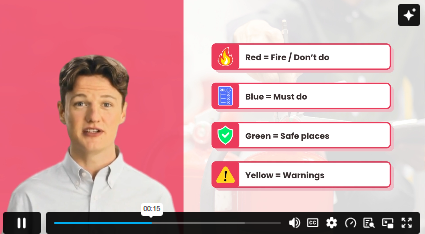
Learners develop an understanding of common fire safety signs and symbols used to communicate hazards, emergency equipment, escape routes, and other important information. The module also considers appropriate placement, visibility, recognition, and response to fire safety signage.
This module focuses on the responsibilities of a fire warden before and during an emergency. Learners explore emergency plans, coordination, basic fire risk assessments, evacuation arrangements, and Personal Emergency Evacuation Plans for people who may require additional assistance.
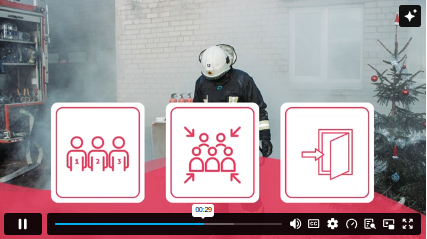
Learners explore appropriate actions when a fire occurs, including raising the alarm, calling for emergency assistance, following evacuation routes, and reaching designated muster points. The module also introduces common fire extinguisher types and explains why extinguishers must be matched to the relevant fire classification.
The conclusion reinforces the key principles covered throughout the course, including construction-site fire hazards, emergency preparedness, evacuation, fire safety equipment, and the responsibilities of fire wardens. Learners consolidate their understanding of how effective preparation can support safer emergency responses.
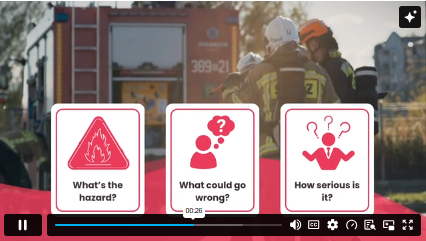
Construction sites can contain combustible materials, temporary electrical systems, hot-work activities, fuels, equipment, and changing work areas. These conditions can create additional fire risks that require appropriate controls.
The course can be suitable for construction workers, site supervisors, safety representatives, contractors, and employees who have fire warden or emergency-response responsibilities.
A fire warden helps support workplace fire prevention and emergency procedures. Responsibilities may include identifying hazards, supporting evacuation, helping maintain clear escape routes, and following the site’s emergency plan.
Common hazards can include hot work, combustible materials, flammable substances, temporary electrical equipment, waste accumulation, and unsafe storage. Specific risks depend on the site and activities being carried out.
The appropriate response depends on the site’s emergency plan, but generally involves raising the alarm, contacting emergency services as required, supporting evacuation, and moving to the designated assembly area.
Fire extinguishers are designed for different types of fire, such as fires involving ordinary combustibles, flammable liquids, or electrical equipment. The correct extinguisher depends on the fire classification and workplace equipment.
A fire warden should not put themselves at risk. Only a small, manageable fire should ever be considered for extinguisher use, and only where the person has appropriate training, the correct equipment, and a safe escape route. Evacuation and emergency notification remain priorities.
| Introduction | |||
| Introduction | 00:01:00 | ||
| Module 1. Understanding Site Fire Risks | |||
| 1.1. Understanding Site Fire Risks | 00:01:00 | ||
| 1.1.1. Common Fire Hazards on Construction Sites | 00:01:00 | ||
| 1.1.2. Fire Spread and the Danger of Smoke | 00:01:00 | ||
| 1.1.3. Economic and Safety Consequences of Fires | 00:01:00 | ||
| Reading Materials | |||
| Section 1: Understanding Site Fire Risks | 00:00:00 | ||
| Module 2. Signs and Symbols for Fire Safety | |||
| 2.1. Signs and Symbols for Fire Safety | 00:01:00 | ||
| 2.1.1. Categories of Fire Safety Signs | 00:01:00 | ||
| 2.1.2. Placement and Visibility Standards | 00:01:00 | ||
| 2.1.3. Recognising and Responding to Symbols | 00:01:00 | ||
| Reading Materials | |||
| Section 2: Signs and Symbols for Fire Safety | 00:00:00 | ||
| Module 3. Fire Warden Role and Preparedness | |||
| 3.1. Fire Warden Role and Preparedness | 00:01:00 | ||
| 3.1.1. Emergency Plans and Coordination | 00:01:00 | ||
| 3.1.2. Conducting Basic Risk Assessments | 00:01:00 | ||
| 3.1.3. Personal Emergency Evacuation Plans (PEEPs) | 00:01:00 | ||
| Reading Materials | |||
| Section 3: Fire Warden Role and Preparedness | 00:00:00 | ||
| Module 4. Responding to Fires and Using Equipment | |||
| 4.1. Responding to Fires and Using Equipment | 00:01:00 | ||
| 4.1.1. Raising the Alarm and Calling for Help | 00:01:00 | ||
| 4.1.2. Evacuation Routes and Muster Points | 00:01:00 | ||
| 4.1.3. Fire Extinguisher Types and Use | 00:01:00 | ||
| 4.1.4. Matching Extinguishers to Fire Classes | 00:01:00 | ||
| Reading Materials | |||
| Section 4: Responding to Fires and Using Equipment | 00:00:00 | ||
| Conclusion | |||
| Conclusion | 00:01:00 | ||
$125 Original price was: $125.$20Current price is: $20. ex VAT
SAVE 84% - OFFER ENDS SOON
![]() |
01 Year of full Course access
Level 2
Endorsed Certificate of Compleiton