12 Students
The English as a Second Language (ESOL) course is designed for learners in Canada who want to improve their English communication skills for education, work, and daily life. It focuses on building a strong foundation in grammar, sentence structure, and language accuracy, helping learners become more confident in speaking, reading, and writing English. This course supports individuals adapting to Canada’s …
The English as a Second Language (ESOL) course is designed for learners in Canada who want to improve their English communication skills for education, work, and daily life. It focuses on building a strong foundation in grammar, sentence structure, and language accuracy, helping learners become more confident in speaking, reading, and writing English. This course supports individuals adapting to Canada’s multilingual and multicultural environment.
This course is suitable for beginners and learners who need to strengthen their English for academic or workplace use. It develops essential language skills including grammar usage, sentence formation, punctuation, and spelling accuracy. In Canada, these skills are important for jobs in customer service, healthcare support, retail, administration, and education, where clear communication is essential for daily tasks and teamwork.
With flexible online learning, learners can study at their own pace and gradually improve their English skills. The course is designed to support confidence in real-life communication while preparing learners for workplace expectations in Canada. Start building stronger English skills today and open doors to better education and career opportunities.
All of our courses, including this English as a Second Language (ESOL), are fully accredited, providing you with up-to-date skills and knowledge and helping you to become more competent and effective in your chosen field.
All of our courses are accredited by the CPD Certification Service as conforming to universally accepted Continuing Professional Development (CPD) guidelines.
The Quality Licence Scheme (QLS) is a trusted endorsement framework that certifies high-quality, non-regulated training programmes across various sectors.
The Association of Healthcare Trainers (AoHT) promotes high-quality healthcare training, supporting providers to deliver relevant, industry-aligned education and improve professional standards.
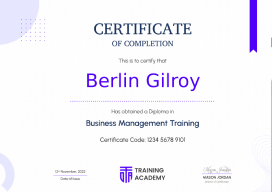
Once you’ve successfully completed your course, you will immediately be sent a digital certificate. Also, you can have your printed certificate delivered by post (shipping cost CA$9.99). All of our courses are fully accredited, providing you with up-to-date skills and knowledge and helping you to become more competent and effective in your chosen field.
The detailed curriculum outline of our English as a Second language (ESOL) Course is as follows:
This module introduces the fundamental structure of English grammar and how it shapes communication. Learners explore how words are classified and how they function together to form meaning. It explains basic grammatical concepts in a simple and structured way to build understanding. This module creates the foundation for all future language learning in the course.
This module focuses on essential grammar components such as nouns, verbs, adjectives, and adverbs. Learners understand how these elements work within sentences to express clear meaning. It also introduces basic grammar rules used in everyday communication. The module helps learners develop confidence in identifying and using correct word forms.
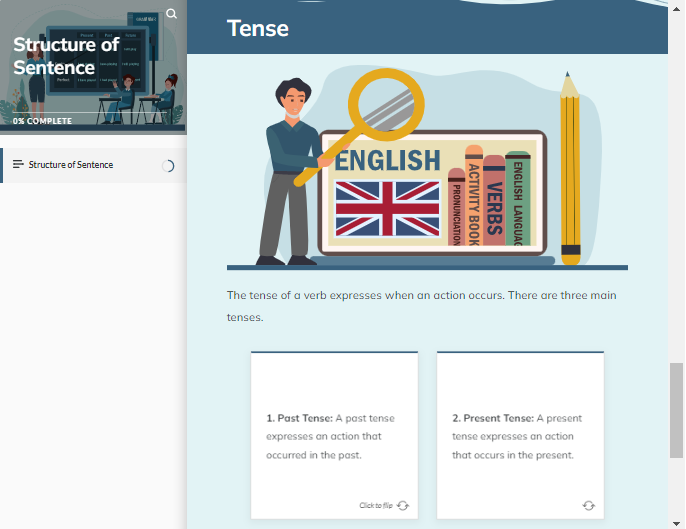
This module introduces how simple sentences are formed in English. Learners understand the essential parts of a sentence, including subject and verb. It explains how words are arranged to create complete and meaningful statements. This builds the ability to construct clear and basic sentences in both writing and speech.
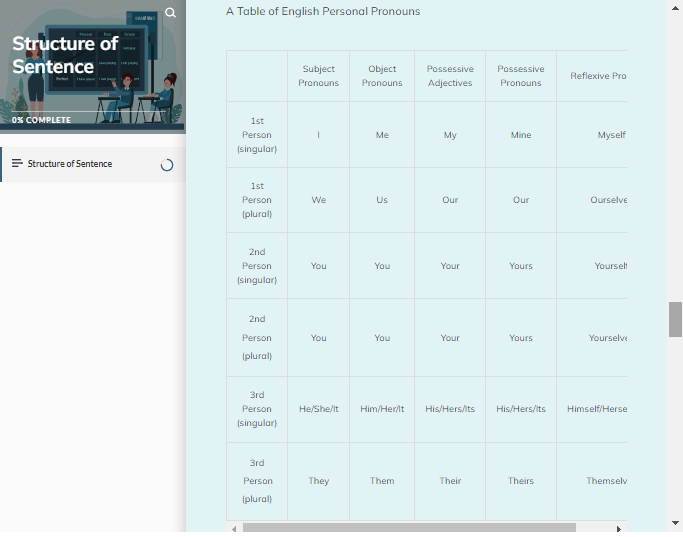
This module focuses on sentence patterns and correct word order in English. Learners study how different sentence structures change meaning and clarity. It also introduces variations in sentence formation for better communication. This helps learners build more accurate and structured sentences in daily use.
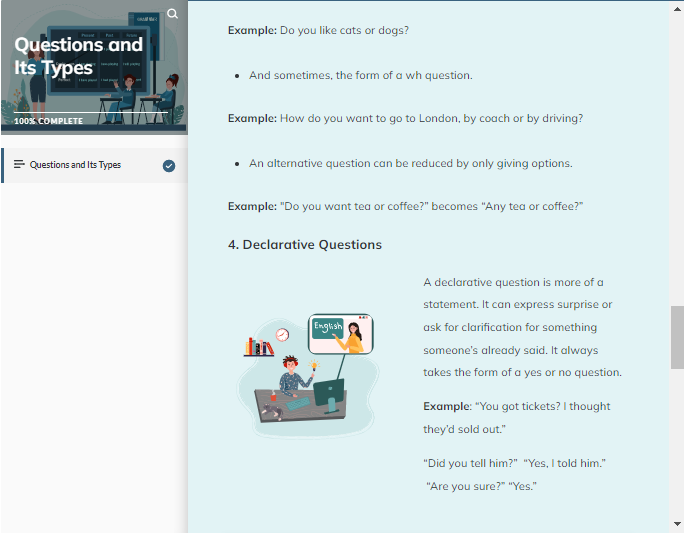
This module explains how to form different types of questions in English, including yes/no and WH-questions. Learners practice sentence transformation to develop questioning skills. It also helps improve understanding when responding to spoken and written questions. This module strengthens interaction and communication ability.
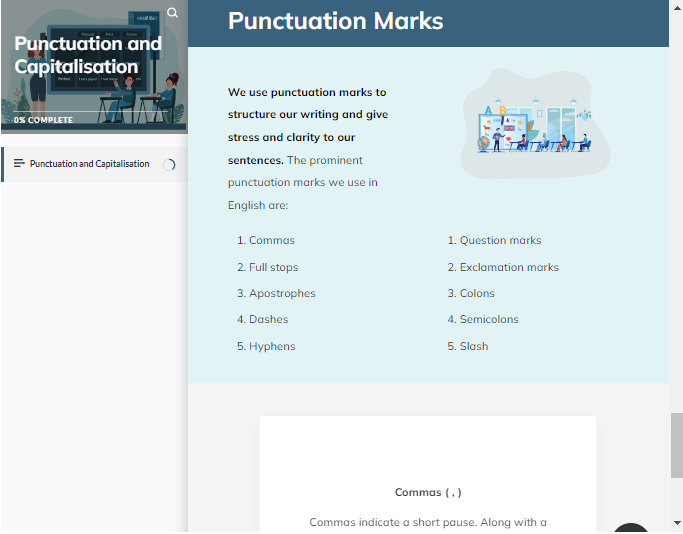
This module covers the correct use of punctuation marks such as full stops, commas, and question marks. Learners also study when and how to use capital letters in writing. It explains how punctuation affects meaning and sentence clarity. This improves written communication and reduces common errors.
This module focuses on English spelling patterns and common spelling rules. Learners practice recognising correct word forms and avoiding frequent mistakes. It includes techniques for improving memory and word accuracy in writing. This module enhances confidence in written English across different situations.
If you’re a permanent resident or a protected person, you can take language classes at no cost. They are funded by the government. These classes are called: Language Instruction for Newcomers to Canada (LINC)
This provision applies to ESL students who have a study permit. Consequently, you may work on the campus of the university or college only. However, if you later enter a regular program, you may work off-campus as well. Unfortunately, high school international students may not work in Canada.
ESL certification comes in many forms, but the industry standard comes from 120 hours of learning, sometimes accompanied by some practical experience either online or in-person. An ESL teacher will learn myriad factors of the English language, including syntax, phrasing, grammar and punctuation.
It is possible to teach English without a degree, especially online or abroad in countries with more flexible hiring policies. However, your options will be more limited compared to teachers who hold a bachelor’s degree or pursue advanced credentials.
To get ESL certification in Canada, complete a TESL Canada-recognized program (minimum 120 hours + 20-hour practicum) and hold a bachelor’s degree. Recognized programs like CELTA or university TESL certificates allow you to teach in private language schools and abroad. Top standards (Standard 2/3) require higher hours or a Master’s degree.
| Module 01: Grammar and Its Principles | |||
| Grammar and Its Principles | 00:06:00 | ||
| Module 02: Basics of Grammar | |||
| Basics of Grammar | 00:10:00 | ||
| Module 03: The Basics of Sentence | |||
| The Basics of Sentence | 00:08:00 | ||
| Module 04: Structure of Sentence | |||
| Structure of Sentence | 00:15:00 | ||
| Module 05: Question and Its Types | |||
| Question and Its Types | 00:06:00 | ||
| Module 06: Punctuation and Capitalisation | |||
| Punctuation and Capitalisation | 00:17:00 | ||
| Module 07: Spelling and Its Rules | |||
| Spelling and Its Rules | 00:14:00 | ||
| Trust Pilot Review | |||
| Trust Pilot Review | 00:00:00 | ||
$125 Original price was: $125.$20Current price is: $20. ex VAT
SAVE 84% - OFFER ENDS SOON
![]() |
01 Year of full Course access
Intermediate
Endorsed Certificate of Compleiton