327 Students
Diploma in Psychology is an online course designed to introduce learners to the fascinating study of human behaviour, mental processes, emotions, personality, and psychological development. It is suitable for beginners, students, caregivers, support workers, and individuals interested in expanding their knowledge within Canada’s healthcare, education, social services, and community support sectors. The course explores a wide range of psychology topics, …
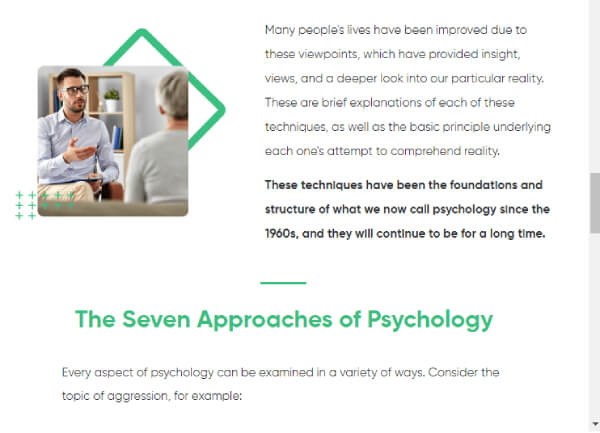
Diploma in Psychology is an online course designed to introduce learners to the fascinating study of human behaviour, mental processes, emotions, personality, and psychological development. It is suitable for beginners, students, caregivers, support workers, and individuals interested in expanding their knowledge within Canada’s healthcare, education, social services, and community support sectors.
The course explores a wide range of psychology topics, including major psychological theories, biological influences on behaviour, behavioural patterns, childhood development, social interactions, motivation, stress management, mental health conditions, research methods, and psychological assessments. Learners gain insight into how people think, feel, learn, and respond to different situations, supporting better communication and understanding in people-focused environments across Canada.
Through flexible online learning, self-paced study, learner support, and certification, this course allows you to study psychology at a convenient pace while balancing other commitments. Enrol today and build a strong foundation in psychology to support further education, personal growth, and career development opportunities.
This course introduces learners to major psychology concepts and helps develop awareness of human behaviour, mental processes, and psychological research.
This course is designed for learners who want to explore psychology and its applications across different fields.
Studying psychology can help learners develop valuable knowledge about people, behaviour, communication, and mental wellbeing.
Psychology knowledge can support pathways into support, community, education, and human services roles across Canada.
The course is designed for beginners who want to develop foundational psychology knowledge.
All of our courses, including this Diploma in Psychology Course, are fully accredited, providing you with up-to-date skills and knowledge and helping you to become more competent and effective in your chosen field.
All of our courses are accredited by the CPD Quality Standards as conforming to universally accepted Continuing Professional Development (CPD) guidelines.
The Quality Licence Scheme (QLS) is a trusted endorsement framework that certifies high-quality, non-regulated training programmes across various sectors.

The Association of Healthcare Trainers (AoHT) promotes high-quality healthcare training, supporting providers to deliver relevant, industry-aligned education and improve professional standards.
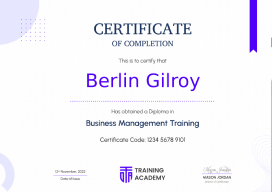
Once you’ve successfully completed your course, you will immediately be sent a digital certificate. Also, you can have your printed certificate delivered by post (shipping cost CA$9.99). All of our courses are fully accredited, providing you with up-to-date skills and knowledge and helping you to become more competent and effective in your chosen field.
The detailed curriculum outline of ourDiploma in Psychology Course is as follows:
This module introduces the basic principles of psychology and explains how psychologists study human thoughts, feelings, and behaviours. Learners explore the history, purpose, and major areas of psychology.
This module explores major psychological approaches and theories used to explain human behaviour. Learners discover how different perspectives contribute to understanding the mind and behaviour.
This module examines the connection between the brain, nervous system, and behaviour. Learners explore how biological factors influence emotions, thoughts, and human actions.
This module focuses on how behaviours are learned and influenced by experiences. Learners explore behavioural theories and factors that shape responses and habits.
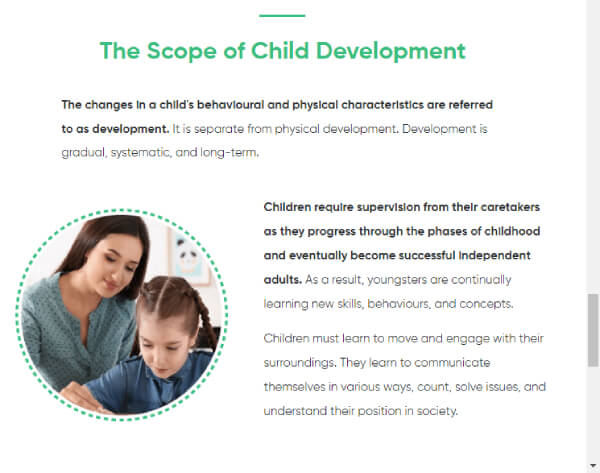
This module explores human development from childhood through adulthood. Learners examine physical, emotional, social, and cognitive changes throughout different life stages.
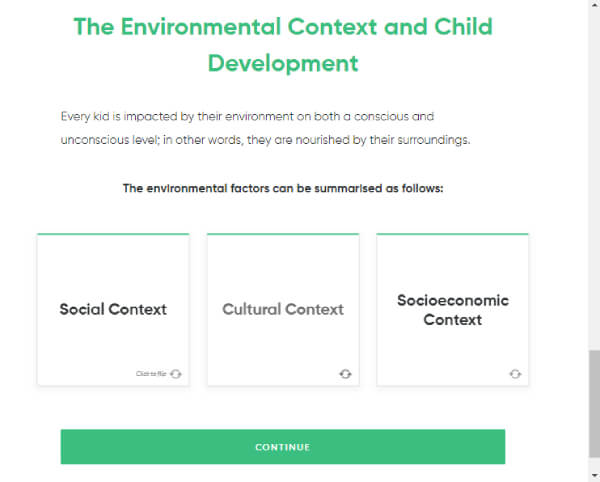
This module introduces how people interact with others and how social environments influence behaviour. Learners explore relationships, group behaviour, and social influences.
This module explores the role of emotions in human experiences and decision-making. Learners examine emotional responses and how emotions affect behaviour.
This module examines the reasons behind human actions and goals. Learners explore motivational theories and factors that influence personal choices and behaviour.
This module introduces psychological perspectives on stress and anxiety. Learners explore causes, effects, and approaches used to support emotional wellbeing.
This module explores personality development and the factors that make individuals unique. Learners examine personality theories and influences on behaviour.
This module explores how people experience the world through senses, perception, and emotions. Learners examine how these processes influence relationships and human experiences.
This module explains how learning occurs and how experiences shape behaviour. Learners explore learning theories and the factors involved in acquiring new behaviours.
This module focuses on cognitive processes such as reasoning, problem-solving, and decision-making. Learners explore how people process information and understand their surroundings.
This module examines intelligence and different ways it is understood in psychology. Learners explore cognitive abilities, assessment methods, and factors influencing intellectual development.
This module introduces behaviours that differ from typical patterns and explores psychological explanations behind them. Learners gain awareness of how behaviour is studied and interpreted.
This module explores common mood-related conditions and their impact on thoughts, emotions, and daily life. Learners develop awareness of psychological approaches to understanding these conditions.
This module introduces eating disorders and explores psychological, emotional, and behavioural factors associated with them. Learners examine the importance of awareness and support.
This module explores personality disorders and how they can affect thoughts, emotions, and relationships. Learners develop knowledge of different conditions and psychological perspectives.
This module introduces research methods used in psychology. Learners explore how psychological studies are designed, collected, analysed, and interpreted.
This module explains the purpose of psychological assessments and how they are used to understand behaviour and mental processes. Learners explore different assessment approaches.
This module examines ethical responsibilities involved in psychological assessments. Learners explore confidentiality, consent, fairness, and responsible assessment practices.
This course is suitable for beginners, students, caregivers, support workers, and individuals interested in psychology, healthcare, education, and community service fields.
No. The course is designed for beginners and introduces psychology concepts from the foundations, making it suitable for learners without previous academic experience in the subject.
You will learn about psychological approaches, human development, behaviour, emotions, motivation, stress, mental health conditions, personality, research methods, and psychological assessments.
This course can help develop foundational psychology knowledge that may support further study or roles in healthcare, education, social services, and community support. Specific careers may require additional qualifications.
Yes. Healthcare workers, caregivers, and support staff can benefit from learning how psychological factors influence behaviour, emotions, communication, and wellbeing.
Yes. Learners receive a certificate after successful completion, which can demonstrate their commitment to developing psychology knowledge and continuing education.
| Module 01: The Foundation of Psychology | |||
| The Foundation of Psychology | 00:17:00 | ||
| Module 02: Different Approaches of Psychology | |||
| Different Approaches of Psychology | 00:15:00 | ||
| Module 03: Biological Psychology | |||
| Biological Psychology | 00:21:00 | ||
| Module 04: Behavioural Psychology | |||
| Behavioural Psychology | 00:24:00 | ||
| Module 05: Developmental Psychology: How Children Become Adults | |||
| Developmental Psychology: How Children Become Adults | 00:22:00 | ||
| Module 06: Social Psychology | |||
| Social Psychology | 00:26:00 | ||
| Module 07: Emotions in Terms of Psychology | |||
| Emotions in Terms of Psychology | 00:24:00 | ||
| Module 08: Motivation: Why Do We Do What We Do? | |||
| Motivation: Why Do We Do What We Do? | 00:27:00 | ||
| Module 09: Dealing with Stress and Anxiety | |||
| Dealing with Stress and Anxiety | 00:23:00 | ||
| Module 10: Personality: Psychological Factors That Make You an Individual | |||
| Personality: Psychological Factors That Make You an Individual | 00:14:00 | ||
| Module 11: Perception, Sensation and Love | |||
| Perception, Sensation and Love | 00:25:00 | ||
| Module 12: Learning: Understanding Acquired Behaviour | |||
| Learning: Understanding Acquired Behaviour | 00:25:00 | ||
| Module 13: Thinking: Exploring Mental Life | |||
| Thinking: Exploring Mental Life | 00:23:00 | ||
| Module 14: Intelligence: In Pursuit of Rational Thought and Effective Action | |||
| Intelligence: In Pursuit of Rational Thought and Effective Action | 00:14:00 | ||
| Module 15: Atypical Behaviours from a Psychological Perspective | |||
| Atypical Behaviours from a Psychological Perspective | 00:18:00 | ||
| Module 16: Mood Disorders | |||
| Mood Disorders | 00:17:00 | ||
| Module 17: Eating Disorders | |||
| Eating Disorders | 00:16:00 | ||
| Module 18: Personality Disorders | |||
| Personality Disorders | 00:29:00 | ||
| Module 19: Research Methods | |||
| Research Methods | 00:18:00 | ||
| Module 20: Psychological Assessments | |||
| Psychological Assessments | 00:24:00 | ||
| Module 21: Ethical Issues in Psychological Assessments | |||
| Ethical Issues in Psychological Assessments | 00:17:00 | ||
$125 Original price was: $125.$20Current price is: $20. ex VAT
SAVE 84% - OFFER ENDS SOON
![]() |
01 Year of full Course access
Diploma
Endorsed Certificate of Compleiton