275 Students
Some emotional struggles feel overwhelming not because they are rare, but because they are hard to manage in the moment. Dialectical Behaviour Therapy (DBT) was developed to help individuals understand emotions, regulate reactions, and build healthier coping patterns over time. This course introduces how DBT is used within counselling and psychotherapy settings. Learners explore how DBT combines acceptance and behavioural …
Some emotional struggles feel overwhelming not because they are rare, but because they are hard to manage in the moment. Dialectical Behaviour Therapy (DBT) was developed to help individuals understand emotions, regulate reactions, and build healthier coping patterns over time. This course introduces how DBT is used within counselling and psychotherapy settings.
Learners explore how DBT combines acceptance and behavioural change techniques to support emotional stability and mental wellbeing. The course is suitable for beginners and anyone interested in understanding how therapy works in real-world mental health support systems, including those used in Canada’s counselling and healthcare environments.
Designed in a flexible online format, this course allows you to learn at your own pace while building a clear understanding of therapeutic approaches used in modern psychological care.
Please note: This Counselling & Psychotherapy: Dialectical Behaviour Therapy (DBT) only gives you the theoretical knowledge that you need to excel in this field. This Course doesn’t entitle you to practise as a professional in this specific field.
This course is ideal for:
All of our courses, including this Counselling & Psychotherapy: Dialectical Behaviour Therapy (DBT), are fully accredited, providing you with up-to-date skills and knowledge and helping you to become more competent and effective in your chosen field.
All of our courses are accredited by the CPD Quality Standards as conforming to universally accepted Continuing Professional Development (CPD) guidelines.
The Quality Licence Scheme (QLS) is a trusted endorsement framework that certifies high-quality, non-regulated training programmes across various sectors.
The Association of Healthcare Trainers (AoHT) promotes high-quality healthcare training, supporting providers to deliver relevant, industry-aligned education and improve professional standards.
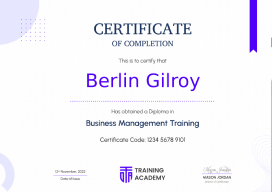
Once you’ve successfully completed your course, you will immediately be sent a digital certificate. Also, you can have your printed certificate delivered by post (shipping cost CA$9.99). All of our courses are fully accredited, providing you with up-to-date skills and knowledge and helping you to become more competent and effective in your chosen field.
The detailed curriculum outline of our Counselling & Psychotherapy: Dialectical Behaviour Therapy (DBT) course is as follows:
The learning journey starts by exploring how Dialectical Behaviour Therapy (DBT) fits into modern counselling and psychotherapy practices. Learners begin to understand why emotional regulation is considered a core foundation of mental health support. This opening section sets the tone for how thoughts, emotions, and behaviours are interconnected in therapeutic work, especially within real-world care settings.
Understanding DBT becomes easier when the basics of counselling and psychotherapy are clear. This section explores how therapists support individuals dealing with emotional stress, behavioural difficulties, and mental health challenges. It also highlights how different therapeutic approaches aim to create safe, structured environments where personal change and emotional healing can take place.
Here, learners explore what DBT actually is and why it was developed as a specialised form of therapy. The focus is on its structured approach to balancing acceptance and change, helping individuals manage intense emotions more effectively. The section also shows how DBT stands apart from other therapeutic models used in psychology and counselling.
Attention shifts to the practical side of DBT, where learners explore techniques designed to improve emotional awareness, distress tolerance, and interpersonal effectiveness. These skills are closely linked to everyday life situations, helping individuals respond more calmly during emotional pressure, conflict, or stress.
This section looks at how DBT is used within structured treatment plans in real therapeutic environments. Learners gain insight into how mental health professionals apply DBT techniques step by step to support individuals dealing with emotional dysregulation and behavioural challenges over time.
Focus moves toward how DBT is applied in supporting various psychological conditions. Learners explore its role in managing emotional instability, anxiety-related difficulties, and other behavioural health concerns. The emphasis is on how therapy is adjusted based on individual needs and challenges.
The final section explores why DBT is widely recognised as an effective therapeutic approach. Learners understand how consistent use of DBT techniques can lead to improved emotional control, healthier coping patterns, and long-term psychological stability in both clinical and support settings.
The duration varies, but structured DBT programs often last several months to a year depending on the individual’s needs and treatment goals.
It provides foundational understanding of therapeutic approaches, which can support future studies or entry into counselling-related pathways.
Learners develop understanding of emotional regulation, communication in therapy settings, and basic mental health support approaches used in real-world environments.
Yes, no prior experience is required. The content is structured to introduce DBT step by step in a simple and easy-to-understand way.
It is ideal for students, caregivers, support workers, healthcare assistants, and anyone interested in psychology or counselling support roles.
The certificate supports professional learning and can be added to your CV, LinkedIn profile, or education portfolio. It is especially relevant for entry-level roles in mental health support, community services, and counselling-related environments in Canada.
| Module 01: Introduction | |||
| About the Instructor | 00:02:00 | ||
| About the Course | 00:06:00 | ||
| Module 02: What is Counselling & Psychotherapy | |||
| Definition of Counselling | 00:07:00 | ||
| Approaches in Counselling & Psychotherapy | 00:12:00 | ||
| Approaches in Counselling & Psychotherapy | 00:12:00 | ||
| Module 03: About Dialectical Behaviour Therapy (DBT) | |||
| What is DBT? | 00:05:00 | ||
| What is ‘dialectical’? | 00:06:00 | ||
| History & Philosophy of DBT | 00:06:00 | ||
| Module 04: DBT Strategies & 'Life Skills' | |||
| What is ‘Mindfulness’ | 00:08:00 | ||
| What is ‘Distress Tolerance’ | 00:10:00 | ||
| What is ‘Emotion regulation’ | 00:11:00 | ||
| What is ‘Interpersonal Effectiveness’ | 00:06:00 | ||
| Module 05: Treatment by DBT | |||
| Multistage approach of DBT | 00:06:00 | ||
| The Stages of Treatment in DBT | 00:11:00 | ||
| Prioritising Treatments Targets | 00:05:00 | ||
| How to set up ‘learning environment’ for the client | 00:07:00 | ||
| How to conduct ‘Behavioural Analysis’ | 00:11:00 | ||
| Module 06: DBT for Psychological Disorders | |||
| Uses of DBT | 00:03:00 | ||
| DBT in the treatment of Borderline Personality Disorder | 00:07:00 | ||
| DBT in the treatment of Depression | 00:09:00 | ||
| DBT for treatment of Anxiety & OCD | 00:08:00 | ||
| DBT for treatment of ‘Eating Disorders’ | 00:08:00 | ||
| Module 07: Effectiveness of DBT | |||
| How effective is DBT? | 00:07:00 | ||
| Criticism and Limitations of DBT | 00:05:00 | ||
| Thank You and Good Bye! | 00:04:00 | ||
| Trust Pilot Review | |||
| Trust Pilot Review | 00:00:00 | ||
PRIVATE
SAVE 0% - OFFER ENDS SOON
![]() |
01 Year of full Course access
Level 3
Endorsed Certificate of Compleiton