8 Students
16 others bought this course in the last 24 hours! Enhance your career in health and social care with our Certificate in Care Certificate Preparation Level 2. This essential course equips learners with the knowledge and practical skills needed to provide safe, compassionate, and effective care. By completing this course, you will gain a strong understanding of key care principles, …
16 others bought this course in the last 24 hours!
Enhance your career in health and social care with our Certificate in Care Certificate Preparation Level 2. This essential course equips learners with the knowledge and practical skills needed to provide safe, compassionate, and effective care. By completing this course, you will gain a strong understanding of key care principles, safeguarding, communication, and health and safety practices.
In the UK, care workers typically earn around £11 per hour or approximately £22,500 per year, making this qualification a valuable step towards securing rewarding roles in the care sector.
This course is designed to prepare learners for practical care roles by covering 15 core standards. You will begin with Standard 01: Understand Your Role and Standard 02: Your Personal Development, building foundational knowledge about responsibilities and career growth. Standard 03: Duty of Care and Standard 04: Equality and Diversity focus on ethical practices and respect for all individuals. Standard 05: Work in a Person Centred Way and Standard 06: Communication ensure you can deliver care that meets individual needs effectively.
The course also covers essential wellbeing topics such as Standard 07: Privacy and Dignity, Standard 08: Fluids and Nutrition, and Standard 09: Mental Health, Dementia, and Learning Disabilities. Safeguarding is addressed through Standard 10: Safeguarding Adults and Standard 11: Safeguarding Children. You will develop emergency skills in Standard 12: Basic Life Support, learn about Standard 13: Health and Safety, Standard 14: Handling Information, and maintain hygiene through Standard 15: Infection Control.
This course has been endorsed by the Quality Licence Scheme for its high-quality, non-regulated training and learning provision. Please note that it is not an accredited qualification and does not fall under Ofqual regulation. If you are seeking formal recognition, such as entry into higher education, your training provider can guide you. Additional details are also available in the Learner FAQs on the Quality Licence Scheme website.
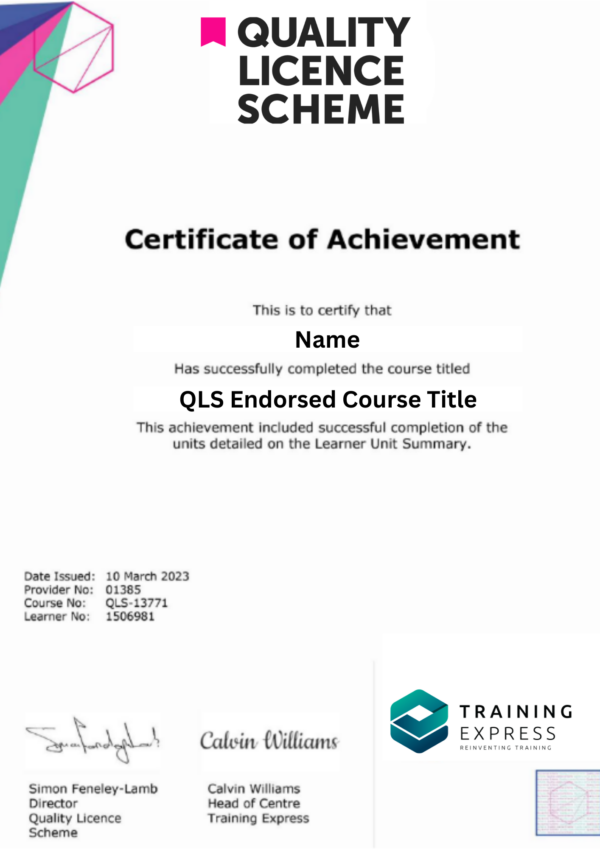
Upon successfully completing the Certificate in Care Certificate Preparation Level 2 course, learners will have the option to order an endorsed certificate as evidence of their accomplishment. This Certificate of Achievement is endorsed by the Quality Licence Scheme.
In addition, once you successfully complete your course, you will instantly receive a FREE CPD Accredited Digital Certificate.
Online Training Academy (OTA) operates as an authorised reseller of QLS-endorsed courses provided by Training Express Ltd. Learners enrolling through OTA will be assigned their courses within the OTA platform; however, all assessments, certification, and registration processes are managed and administered directly by Training Express Ltd.
1.New care workers seeking foundational health care skills
2.Support workers preparing for professional care roles
3.Individuals working with adults or children needing safeguarding knowledge
4.Staff requiring understanding of person-centred care principles
5.Anyone aiming to develop health, safety, and care competencies
1.Care Worker
2.Support Worker
3.Health Care Assistant
4.Residential Care Assistant
5.Home Care Worker
6.Dementia Care Support Worker
| Standard 01: Understand Your Role | |||
| The Duties and Responsibilities of a Care Worker | 00:14:00 | ||
| Employment Rights and Responsibilities | 00:16:00 | ||
| Aims, objectives and values of the service | 00:14:00 | ||
| Responsibilities to the Individuals | 00:13:00 | ||
| Different Working Relationships in Care Settings | 00:14:00 | ||
| The Importance of Partnership Working | 00:16:00 | ||
| Standard 02: Your personal development | |||
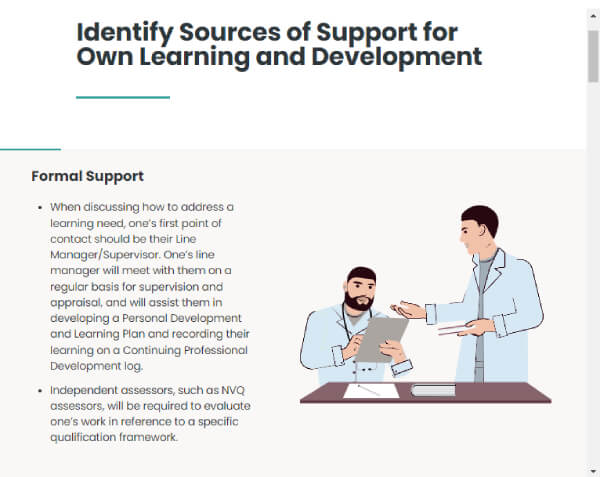
| Identify Sources of Support for Own Learning and Development | 00:16:00 | ||
| Skills That Healthcare Professionals Need | 00:17:00 | ||
| Standard 03: Duty of Care | |||
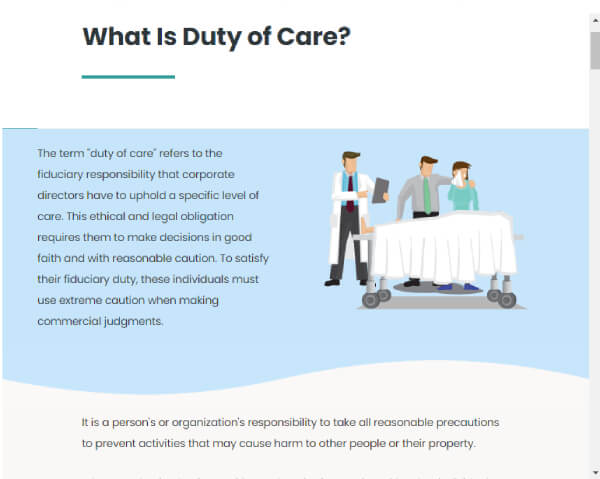
| What Is Duty of Care | 00:16:00 | ||
| Dilemmas That may Arise Between the Duty of Care and an Individual’s Right | 00:15:00 | ||
| Procedures for Responding to Complaints | 00:15:00 | ||
| Recognising Adverse Events, Incidents, Errors and Near Misses | 00:15:00 | ||
| Factors and Difficult Situations That may Cause Confrontation | 00:13:00 | ||
| Standard 04: Equality and Diversity | |||
| Understanding Diversity | 00:14:00 | ||
| Discrimination that can be Deliberately or Unintentional | 00:16:00 | ||
| legislation and Codes of Practice Relating to Equality | 00:15:00 | ||
| Respecting individuals’ beliefs, culture, values and preferences | 00:14:00 | ||
| Sources of Information for Diversity, Equality, and Inclusion | 00:15:00 | ||
| Standard 05: Work in a Person Centred Way | |||
| Putting Person-Centred Values into Practice | 00:16:00 | ||
| The Importance of Finding out the History, Preferences, Wishes and Needs | 00:13:00 | ||
| Environmental Factors that may cause Discomfort or Distress | 00:14:00 | ||
| Raising concerns directly with the individual concerned | 00:15:00 | ||
| Caregiving is more than just monitoring medicines and driving to doctor | 00:15:00 | ||
| Ensuring the comfort of individuals where they have restricted movement | 00:16:00 | ||
| Promoting person centred values | 00:13:00 | ||
| Recognising the signs of pain or discomfort | 00:14:00 | ||
| Standard 06: Communication | |||
| Different Ways that People Communicate | 00:12:00 | ||
| Why it is important to observe and be receptive to an individual | 00:12:00 | ||
| Establishing an Individual’s Communication and Language Needs, Wishe | 00:14:00 | ||
| Barriers to Effective Communication | 00:15:00 | ||
| How to Check whether the Health Care Support Worker and Adult Social Care | 00:13:00 | ||
| What Is Confidentiality | 00:13:00 | ||
| The Use of Appropriate Verbal and Non-Verbal Communication | 00:16:00 | ||
| Communication Aids | 00:16:00 | ||
| Standard 07: Privacy and dignity | |||
| What is meant by privacy and dignity | 00:15:00 | ||
| Maintaining the Privacy of the Individual | 00:14:00 | ||
| Ways of Helping Individuals to Make Informed Choices | 00:14:00 | ||
| How Valuing People Contributes to Active Participation | 00:12:00 | ||
| Supporting the Active Participation of Individuals in Their Care | 00:16:00 | ||
| Standard 08: Fluids and nutrition | |||
| The Importance of Food Safety, Including Hygiene, in the Preparation and Handling of Food | 00:16:00 | ||
| Ensuring That Drinks Are Within Reach of Those That Have Restorations on Their Movement | 00:15:00 | ||
| Ensuring That Any Nutritional Products Are Within Reach of Those That Have Restrictions on Their Movement | 00:14:00 | ||
| Standard 09: Mental Health, Dementia and Learning Disabilities | |||
| How Someone May Feel if They Have Mental Health Conditions | 00:17:00 | ||
| How Conditions Influence a Person | 00:17:00 | ||
| How Positive Attitudes Towards Those With Mental Health Conditions | 00:16:00 | ||
| Adjustments which may be Necessary in Care Delivery | 00:16:00 | ||
| Importance of Early Detection of Mental Health Needs | 00:19:00 | ||
| Requirements of Legislation and Policies | 00:15:00 | ||
| Effect of Listed Legislation and Policies | 00:18:00 | ||
| Capacity | 00:17:00 | ||
| Standard 10: Safeguarding Adults | |||
| Safeguarding Adults | 00:17:00 | ||
| Types of Abuse | 00:15:00 | ||
| Defining Harm | 00:16:00 | ||
| Indicators of Abuse | 00:17:00 | ||
| Factors Which have Featured in Adult Abuse and Neglect | 00:14:00 | ||
| How Care Environments can Promote and Undermine People’s Dignity and Rights | 00:18:00 | ||
| Reducing the Likelihood of Abuse with Risk Enablement and Management | 00:19:00 | ||
| Standard 11: Safeguarding Children | |||
| Safeguarding Children at Level 1 | 00:11:00 | ||
| Actions to Take If a Child, Young Person (Met in Any Circumstances) Is Suspected to Be Abused | 00:14:00 | ||
| Appropriate Actions to take When Abuse is Suspected | 00:15:00 | ||
| Legislation, Local and National Policies and Procedures Related to Safeguarding | 00:15:00 | ||
| The Importance of Sharing Information with the Relevant Agencies | 00:16:00 | ||
| Standard 12: Basic life support | |||
| Basic Life Support (BLS) | 00:14:00 | ||
| Standard 13: Health and Safety | |||
| Legislation Relating to General Health and Safety in a Health or Social Care | 00:16:00 | ||
| Health and Safety Policies and Procedures | 00:18:00 | ||
| How to Access Additional Support and Information Relating to Health and Safety | 00:15:00 | ||
| The Importance of Risk Assessment for Health and Safety Standards | 00:16:00 | ||
| Legislation Relating to Moving and Assisting | 00:17:00 | ||
| Procedures to Follow When Accidents or Illness Occur | 00:17:00 | ||
| Agreed Ways of Working in Relation to Medication | 00:15:00 | ||
| Hazardous Substances in the Workplace | 00:17:00 | ||
| Prevent Fires from Starting or Spreading | 00:19:00 | ||
| Protecting Security | 00:18:00 | ||
| Identifying Common Signs of Stress in a Work Setting | 00:17:00 | ||
| Standard 14: Handling information | |||
| Agreed Ways of Working regarding the Recording, | 00:15:00 | ||
| Importance to Have Secure Systems for Recording, Storing and Sharing Information | 00:13:00 | ||
| How to Keep Records That Are Up to Date, Complete, Accurate and Legible | 00:13:00 | ||
| Standard 15: Infection control | |||
| The Main Ways an Infection Can Get into the Body | 00:18:00 | ||
| Effective Hand Hygiene | 00:17:00 | ||
| Risk to the individuals | 00:15:00 | ||
| Common Types of Personal Protective Clothing, Equipment and Procedures | 00:16:00 | ||
| Assignment | |||
| Assignment – The Care Certificate Preparation Standards (1 to 15) | 5 days, 9 hours | ||
$186.07 ex VAT
SAVE 0% - OFFER ENDS SOON
![]() |
01 Year of full Course access
Level 2
Endorsed Certificate of Compleiton