CCTV Operator and Security Guard Training Canada
 401 Students
The CCTV Operator and Security Guard Training Canada course is an online training programme designed to help learners understand high-definition CCTV systems, video surveillance operations, Canadian security regulations, and security guard practices. It provides essential knowledge for anyone looking to develop professional CCTV operator and security guard skills. With the increasing demand for advanced security solutions, security guards and CCTV …
The CCTV Operator and Security Guard Training Canada course is an online training programme designed to help learners understand high-definition CCTV systems, video surveillance operations, Canadian security regulations, and security guard practices. It provides essential knowledge for anyone looking to develop professional CCTV operator and security guard skills.
With the increasing demand for advanced security solutions, security guards and CCTV systems are widely used across businesses, retail environments, residential properties, and public spaces in Canada. Understanding how to operate security protocols, monitor CCTV technology, and enforce legal standards has become an important skill in the modern security industry.
This course covers security procedures, legal frameworks, emergency responses, technical surveillance standards, and professional expectations for security personnel. It is suitable for beginners and professionals who want to improve their knowledge of security guard operations and video surveillance in Canada.
Key Features
- Accredited by CPD
- Instant e-certificate and hard copy dispatch by next working day
- Fully online, interactive course with Professional voice-over
- Self paced learning and laptop, tablet, smartphone friendly
- 24/7 Learning Assistance
- Discounts on bulk purchases
Learning Outcomes
This course helps learners build practical knowledge of security guard duties, CCTV operations, legal requirements, and industry standards required in modern Canadian security environments.
By completing this course, you will learn how to:
- Understand the basics and purpose of HD CCTV systems.
- Identify CCTV equipment, components, and technical features.
- Learn CCTV operator responsibilities and professional skills.
- Understand effective CCTV camera monitoring techniques.
- Apply surveillance practices for different security environments.
- Recognise technical standards for optimised CCTV system performance.
- Understand Canadian surveillance and privacy compliance requirements.
- Understand the Canadian security industry and licensing requirements.
- Apply security legislation, code of conduct, and professional standards.
- Execute basic security procedures, patrol techniques, and access control.
- Master professional note-taking and court-admissible report writing.
- Maintain workplace health and safety compliance (OHSA and WHMIS).
- Plan and execute emergency response and evacuation procedures.
- Navigate the Canadian legal system and apply legal powers of arrest.
- Understand the National Use of Force Model and practical security scenarios.
- Utilize tactical communication and de-escalation techniques.
- Promote diversity, equity, and mental health awareness in security environments.
- Perform emergency First Aid and CPR procedures.
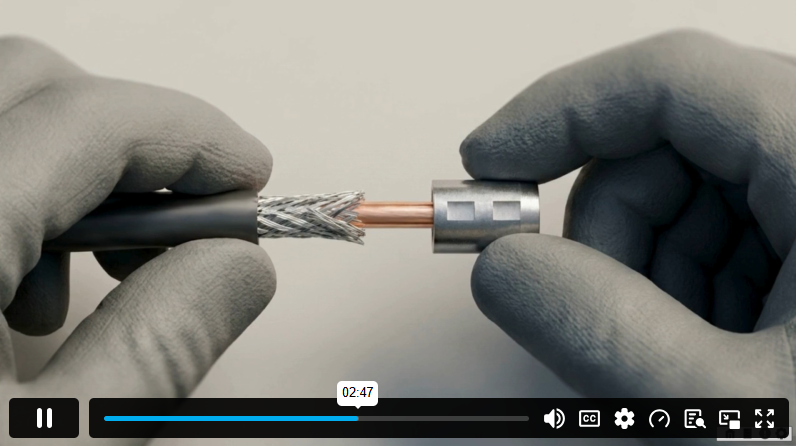
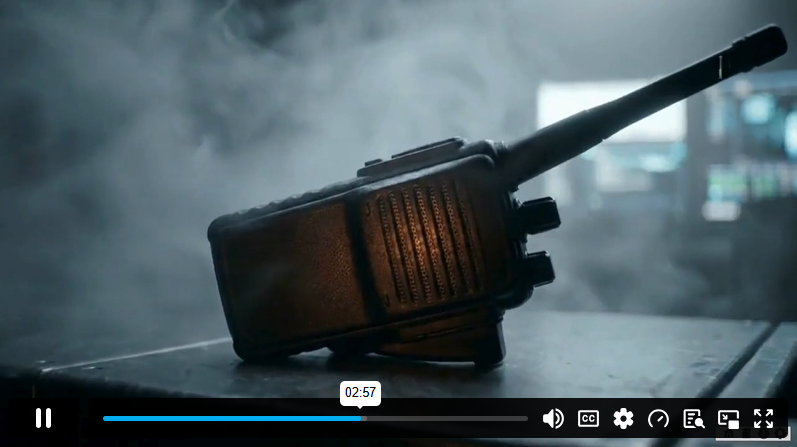
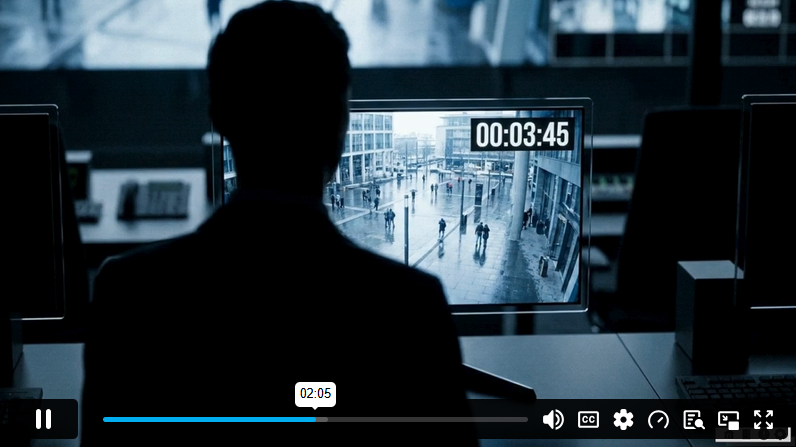
Sneak Peek
Who Should Take This Course
This CCTV training course is designed for individuals who want to gain knowledge of CCTV systems, security monitoring, and video surveillance operations.
It is suitable for:
- Aspiring CCTV operators looking to start a career in security.
- Security professionals wanting to improve their surveillance skills.
- Business owners managing CCTV systems in their organisations.
- Retail and commercial staff involved in loss prevention.
- Individuals interested in CCTV installation and monitoring.
- Security teams working with modern surveillance technology.
Whether you are new to CCTV or looking to refresh your existing knowledge, this course provides a flexible way to understand professional CCTV operations.
Certification
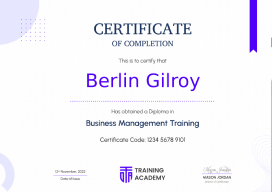
Once you’ve successfully completed your course, you will immediately be sent a digital certificate. Also, you can have your printed certificate delivered by post (shipping cost £3.99). All of our courses are fully accredited, providing you with up-to-date skills and knowledge and helping you to become more competent and effective in your chosen field. Our certifications have no expiry dates, although we do recommend that you renew them every 12 months.
Why Take This Course
This course helps you develop essential CCTV knowledge and surveillance skills through flexible online learning designed for modern security environments. Gain industry-relevant knowledge, practical understanding, and professional confidence to work with CCTV systems effectively.
- QLS Endorsed and CPD Accredited training.
- Interactive modules with easy-to-understand lessons.
- Instant free CPD certificate upon completion.
- Option to order a QLS Endorsed Certificate.
- Beginner-friendly learning approach.
- Developed by qualified professionals in the field.
- Covers industry-relevant CCTV standards and practices.
- Online, self-paced, and mobile-friendly learning.
- Lifetime access to course materials.
This training helps learners develop valuable CCTV skills that can support career growth in the security and surveillance industry.
Job Opportunities & Salary Expectations (Canada)
CCTV knowledge can complement a range of security, surveillance, loss prevention, and security technology roles. Salary varies by province, employer, experience, qualifications, and job responsibilities.
- CCTV Technician — CAD$56,867/year
- Surveillance Operator — CAD$49,795/year
- Security Guard — CAD$42,245/year
- Security Supervisor — CAD$48,110/year
- Loss Prevention Officer — CAD$45,365/year
- Alarm Technician — CAD$63,773/year
- Security Manager — CAD$72,772/year
- Senior Security Manager — CAD$132,329/year
Entry Requirements
This course is designed to be accessible for anyone interested in learning about CCTV systems and surveillance operations.
- No previous CCTV experience required.
- Basic understanding of security concepts is helpful.
- Suitable for beginners and professionals.
- Access to a computer, tablet, or smartphone with internet connection.
Course Curriculum
The detailed curriculum outline of our CCTV Operator and Security Guard Training Canada course is as follows:
This module introduces learners to the essential operational requirements and standards involved in professional CCTV environments. You will explore how CCTV systems should be managed, maintained, and operated to support effective security monitoring. The module also covers important principles that help ensure CCTV operations remain reliable, organised, and compliant with industry expectations.
A successful CCTV operator requires more than technical knowledge; they need strong observation, decision-making, and communication skills. This module focuses on the abilities required to monitor surveillance systems effectively and respond appropriately to security situations. Learners will understand the responsibilities and professional skills expected from modern CCTV operators.
This module provides a strong foundation in CCTV technology and explains how surveillance systems operate. Learners will explore CCTV components, camera types, recording methods, and the role of CCTV in security management. It is designed to help beginners understand the fundamentals before moving into more advanced surveillance topics.
Modern CCTV systems require proper technical setup and management to achieve reliable performance. This module explores key technical considerations, including system standards, image quality, equipment selection, and operational efficiency. Learners will gain knowledge of how CCTV systems can be optimised for effective monitoring and security purposes.
Effective CCTV monitoring requires focus, awareness, and the ability to identify unusual activities quickly. This module explains the principles of monitoring CCTV cameras in different environments, including commercial, residential, and public areas. Learners will understand camera observation techniques, monitoring procedures, and how operators can support safer environments through accurate surveillance.
This module focuses on the practical aspects of watch surveillance and the role CCTV operators play in maintaining security awareness. Learners will explore surveillance techniques, observation methods, and the importance of accurate reporting during monitoring activities. It helps develop the skills needed to identify potential security concerns and respond professionally.
Responsible CCTV operation requires an understanding of privacy and legal responsibilities. This module introduces learners to Canadian surveillance and privacy compliance standards, helping them understand the importance of protecting personal information while using CCTV systems. Learners will explore ethical surveillance practices and the responsibilities involved in managing recorded footage.
The final module focuses on the professional expectations and standards required for CCTV operators in Canada. Learners will develop an understanding of workplace responsibilities, professional conduct, and the skills needed to operate CCTV systems effectively. This module helps prepare learners for security roles where reliability, awareness, and responsible surveillance practices are essential.
Before stepping into the field, it’s important to understand how Ontario’s private security industry operates. This opening module explains licensing requirements, career pathways, workplace expectations, and the responsibilities that come with becoming a security guard.
Before stepping into the field, it’s important to understand how Ontario’s private security industry operates. This opening module explains licensing requirements, career pathways, workplace expectations, and the responsibilities that come with becoming a security guard.
A security guard’s role involves far more than simply watching over a property. This section introduces patrol routines, access control, observation techniques, visitor management, and the actions required to maintain a safe and secure environment.
Well-written reports often become valuable records after an incident. You’ll discover how to document events objectively, organise important details, and prepare clear reports that support investigations and workplace communication.
Security guards encounter a variety of workplace hazards depending on where they work. This module explores WHMIS awareness, occupational health and safety responsibilities, hazard recognition, and safe work practices commonly followed across Ontario.
Emergencies rarely happen without warning, making preparation essential. You’ll learn how security guards respond to fire alarms, medical incidents, evacuations, suspicious activities, and other unexpected situations while working alongside emergency services.
Knowing the law is just as important as protecting property. This module explains how Canada’s legal system relates to private security, including when a security guard may exercise arrest powers, the limits of those powers, and the importance of respecting individual rights while carrying out security duties.
No two incidents are exactly alike. Through realistic workplace examples, you’ll examine how security personnel assess risk, decide on appropriate actions, and apply use-of-force models responsibly while keeping safety and legal compliance at the forefront.
Many security incidents can be resolved without physical intervention. Discover how tactical communication, active listening, calm verbal responses, and conflict de-escalation techniques help security guards manage challenging situations and build positive interactions with the public.
Ontario’s communities are diverse, and security professionals interact with people from many different backgrounds every day. This module explores respectful communication, cultural awareness, inclusion, and appropriate ways to respond when assisting individuals experiencing mental health challenges.
Understanding when force is appropriate—and when it isn’t—is a critical part of responsible security work. You’ll become familiar with the principles behind Canada’s National Use of Force Model and how thoughtful decision-making supports safe, lawful, and proportionate responses.
Security guards are often among the first people on the scene during an emergency. The final module introduces the fundamentals of first aid and CPR awareness, helping you understand how early intervention and quick action can support the wellbeing of others until medical professionals arrive.
(FAQs)
What is a CCTV Operator and Security Guard Training Canada course?
A CCTV Operator and Security Guard Training Canada course is designed to teach learners about high-definition CCTV systems, surveillance operations, camera monitoring, and security practices. It covers essential CCTV knowledge, including system standards, operator responsibilities, and Canadian surveillance compliance requirements.
Why is CCTV training important in Canada?
CCTV training is important because businesses, residential properties, and public organisations increasingly rely on video surveillance for security and risk prevention. Proper training helps operators understand effective monitoring techniques, professional responsibilities, and privacy requirements when using CCTV systems.
What will I learn from a CCTV operator training course?
This course teaches learners how CCTV systems work, how to monitor security cameras effectively, and how to follow professional surveillance practices. You will also learn about technical standards, operational requirements, and privacy considerations related to CCTV use.
Is this CCTV course suitable for beginners?
Yes, this CCTV training course is beginner-friendly and does not require previous CCTV experience. It starts with the basics of CCTV technology before progressing into monitoring skills, operational standards, and professional CCTV practices.
What skills are required to become a CCTV operator?
A CCTV operator needs strong observation skills, attention to detail, communication ability, and an understanding of surveillance procedures. This course helps learners develop knowledge of camera monitoring, incident awareness, professional standards, and responsible CCTV operation.
How does CCTV work in security systems?
CCTV systems use cameras to capture video footage, which is transmitted to recording devices or monitoring systems for security purposes. Modern HD CCTV cameras provide clearer images, helping operators monitor activities, identify risks, and support security decisions.
What are the privacy rules for CCTV surveillance in Canada?
CCTV operators in Canada must understand privacy responsibilities when collecting, storing, and using surveillance footage. This includes respecting personal privacy, following applicable regulations, and ensuring CCTV systems are used responsibly and professionally.
Can I work as a CCTV operator after completing this course?
Completing CCTV training can help you develop the knowledge needed for CCTV operator and security-related roles. It improves your understanding of surveillance systems, monitoring procedures, and industry expectations, which can support career development in the security sector.
What are the benefits of learning CCTV systems online?
Online CCTV training allows learners to study at their own pace from any location. A flexible course format makes it easier to gain CCTV knowledge while balancing work, personal commitments, or career development goals.
What is the difference between CCTV cameras and CCTV systems?
A CCTV camera is the device that captures video footage, while a CCTV system includes cameras, recording equipment, monitoring screens, storage solutions, and related technology. Understanding how these components work together is essential for effective surveillance operations.
Course Curriculum
| CCTV HD for CANADA | |||
| Module 1 – CCTV Operational Requirements and Standards Guide | 00:05:00 | ||
| Module 2 – CCTV Operator Skills and Ability | 00:05:00 | ||
| Module 3 – Basics of CCTV | 00:05:00 | ||
| Module 4 – Technical Guidance for Optimized CCTV System Standards | 00:05:00 | ||
| Module 5 – Monitoring CCTV Cameras | 00:07:00 | ||
| Module 6 – Watch Surveillance | 00:04:00 | ||
| Module 7 – Canadian Surveillance and Privacy Compliance Standards | 00:04:00 | ||
| Module 8 – CCTV Operator Professional Standards and Requirements in Canada | 00:05:00 | ||
| Security Guard Training Ontario | |||
| Module 1 Introduction to the Security Industry and Licensing Process | 00:05:00 | ||
| Module 2 The Security Act and Code of Conduct | 00:05:00 | ||
| Module 3 Basic Security Procedures | 00:06:00 | ||
| Module 4 Note-Taking & Report Writing | 00:04:00 | ||
| Module 5 Health and Safety (WHMIS & Occupational Health and Safety) | 00:05:00 | ||
| Module 6 Emergency Response Preparation | 00:06:00 | ||
| Module 7 Canadian Legal System & Powers of Arrest | 00:05:00 | ||
| Module 8 Powers of Arrest, Use of Force Models, and Practical Scenarios | 00:04:00 | ||
| Module 9 Effective Communication (Tactical Communication) | 00:04:00 | ||
| Module 10 Sensitivity Training, Diversity & Mental Health Awareness in Security | 00:06:00 | ||
| Module 11 Use of Force Theory & National Use of Force Model | 00:27:00 | ||
| Module 12 First Aid & CPR for Security Guards | 00:06:00 | ||



$125 Original price was: $125.$20Current price is: $20. ex VAT
SAVE 84% - OFFER ENDS SOON
 |
 Take All course
for $99
Take All course
for $99-
 01 Year of full Course access
 -
 Intermediate
-
 Endorsed Certificate of Compleiton
-
 2 hours, 3 minutes of total Unit + Quiz duration
 -
 10 CPD Points
Buying more than one of the same courses?
- 50% discount for orders of 10+ courses
- 60% discount for orders of 50+ courses
- 70% discount for orders of 100+ courses