129 Students
Compassionate care assistants and support workers play a vital role in helping individuals maintain their health, independence, dignity, and quality of life. Across Canada’s healthcare and social care sectors, demand continues to grow for skilled workers who can provide person-centred support in care homes, community services, hospitals, assisted living facilities, and home care environments. The Care Assistant/Support Worker course is …
Compassionate care assistants and support workers play a vital role in helping individuals maintain their health, independence, dignity, and quality of life. Across Canada’s healthcare and social care sectors, demand continues to grow for skilled workers who can provide person-centred support in care homes, community services, hospitals, assisted living facilities, and home care environments.
The Care Assistant/Support Worker course is designed to provide learners with a strong understanding of health and social care practices, safeguarding responsibilities, communication skills, food safety, consent, and service delivery principles. The course explores the knowledge required to support vulnerable individuals while promoting equality, dignity, safety, and wellbeing in a variety of care settings.
Suitable for beginners, aspiring care workers, support staff, family caregivers, and individuals interested in healthcare careers, this course offers flexible online learning and valuable knowledge relevant to Canada’s growing care sector. Build confidence, strengthen your understanding of caregiving responsibilities, and prepare for opportunities within health and social care services.
Please note: This Care Assistant/Support Worker Course only gives you the theoretical knowledge that you need to excel in this field. This Course doesn’t entitle you to practise as a professional in this specific field.
By the end of the Care Assistant/Support Worker Course, learners will be able to:
All of our courses, including this Care Assistant/Support Worker Course, are fully accredited, providing you with up-to-date skills and knowledge and helping you to become more competent and effective in your chosen field.
All of our courses are accredited by the CPD Quality Standards as conforming to universally accepted Continuing Professional Development (CPD) guidelines.

The Quality Licence Scheme (QLS) is a trusted endorsement framework that certifies high-quality, non-regulated training programmes across various sectors.

The Association of Healthcare Trainers (AoHT) promotes high-quality healthcare training, supporting providers to deliver relevant, industry-aligned education and improve professional standards.

Once you’ve successfully completed your course, you will immediately be sent a digital certificate. Also, you can have your printed certificate delivered by post (shipping cost CA$9.99). All of our courses are fully accredited, providing you with up-to-date skills and knowledge and helping you to become more competent and effective in your chosen field.
The detailed curriculum outline of our Care Assistant/Support Worker is as follows:
This module provides an overview of Canada’s health and social care sector, introducing the key services, organisations, and professionals involved in supporting individuals across different stages of life. Learners explore the principles of person-centred care, wellbeing, independence, and the important role care workers play in improving quality of life.
Food safety is a critical aspect of care provision. This module examines safe food handling practices, hygiene standards, contamination prevention, and legal responsibilities associated with preparing and serving food in healthcare and social care environments.
This module explores the causes, symptoms, and consequences of foodborne illnesses. Learners examine common sources of contamination and the practical control measures used to minimise risks and protect service users from preventable health issues.
Providing inclusive care requires respect for individual differences and needs. This module explores equality, diversity, inclusion, anti-discriminatory practice, and the promotion of individual rights within health and social care settings.
This module focuses on the professional responsibilities of care workers, including duty of care, confidentiality, accountability, ethical practice, and maintaining professional boundaries while supporting service users.
Learners gain insight into the daily responsibilities of caregivers and support workers. The module examines person-centred care approaches, emotional support, communication, observation skills, and maintaining dignity while assisting individuals with varying care needs.
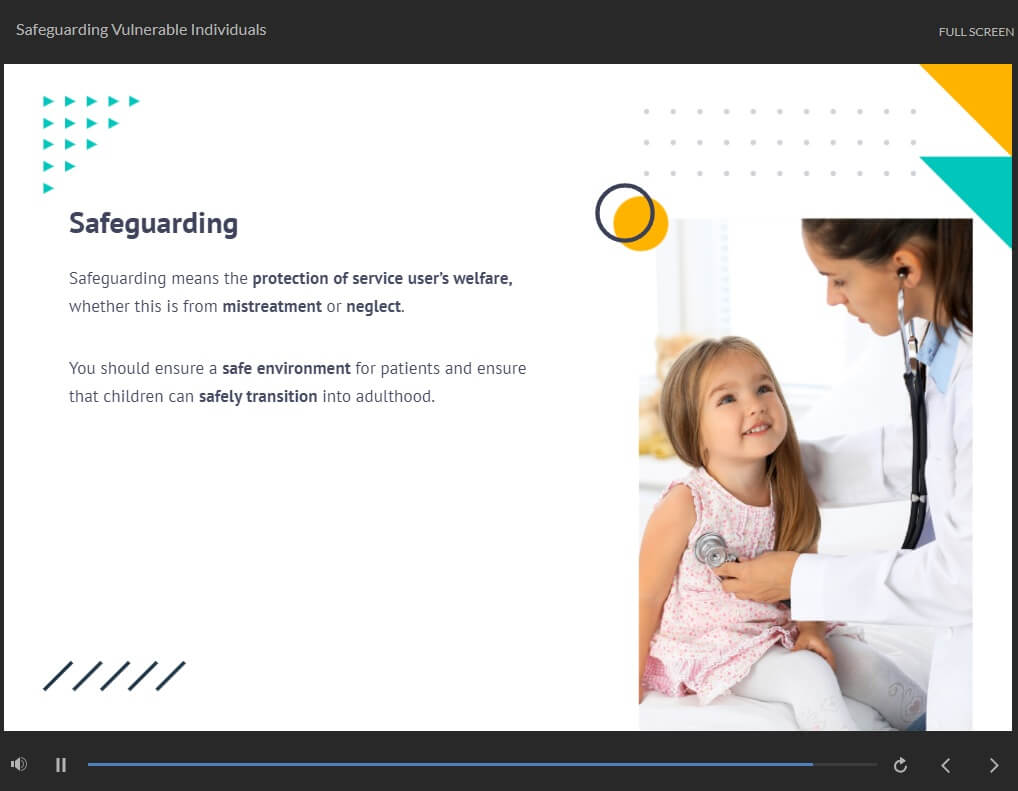
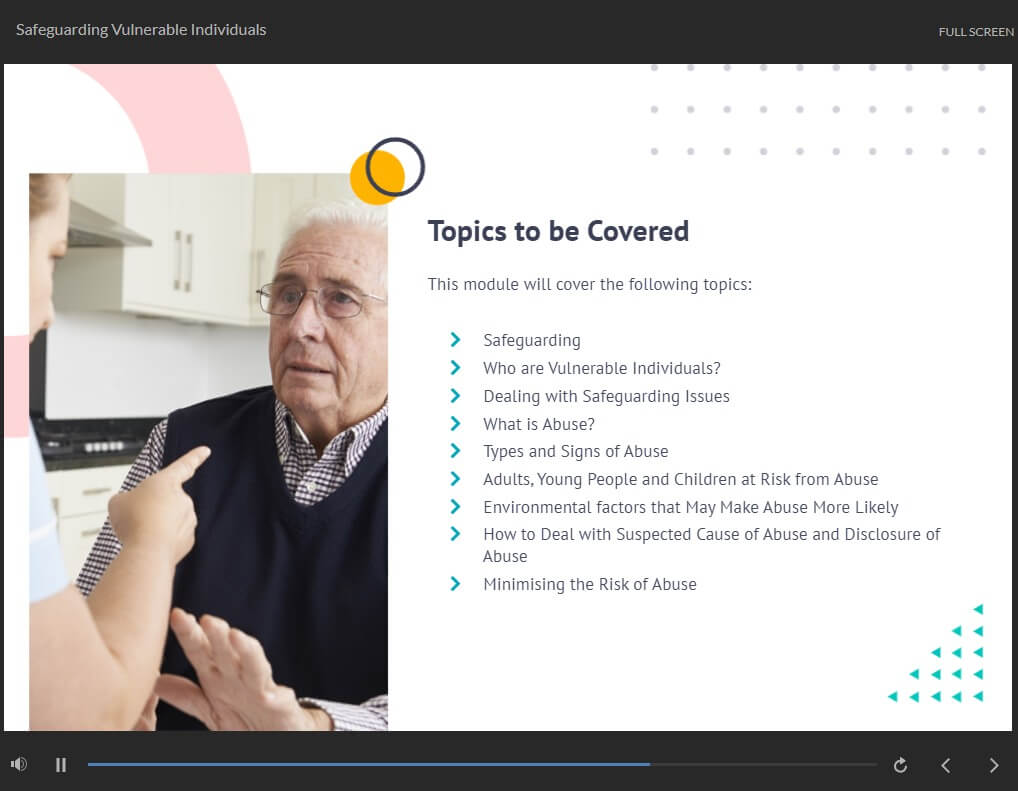
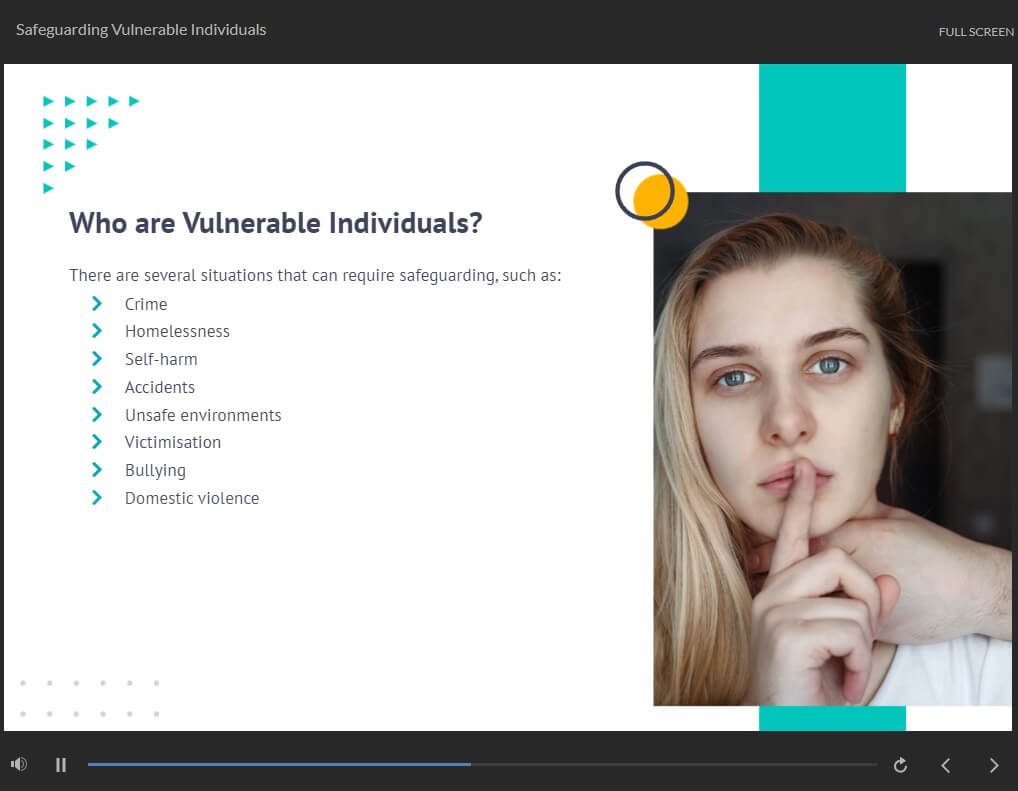
Protecting vulnerable individuals is a fundamental responsibility in care settings. This module explores safeguarding principles, recognising signs of abuse or neglect, reporting concerns, and supporting the safety and wellbeing of individuals at risk.
This module focuses specifically on adult safeguarding and examines the factors that may place adults at risk of harm. Learners explore prevention strategies, legal considerations, and safeguarding responsibilities within healthcare environments.
Building on previous safeguarding modules, learners examine organisational safeguarding policies, reporting procedures, professional responsibilities, multi-agency collaboration, and best practices for protecting vulnerable adults.
Effective communication is essential for delivering quality care. This module explores verbal, non-verbal, written, and digital communication methods used to build trust, support care delivery, and improve outcomes for service users.
This module introduces the legal and ethical considerations surrounding consent when individuals may be unable to make decisions independently. Learners examine substitute decision-making processes and the importance of protecting individual rights.
Care professionals are sometimes required to make decisions on behalf of individuals who lack decision-making capacity. This module explores best-interest principles, ethical considerations, legal responsibilities, and collaborative decision-making approaches.
This module examines how care services are planned, coordinated, monitored, and evaluated. Learners explore quality standards, service improvement, resource management, and the importance of delivering effective care services.
A strong understanding of workplace policies helps ensure safe and consistent care delivery. This module explores key principles, organisational policies, health and safety requirements, confidentiality standards, and professional practice expectations.
Healthcare professionals use specialised terminology in daily practice. This module introduces common medical terms, abbreviations, clinical language, and healthcare documentation used across care settings.
Technology plays an increasingly important role in modern healthcare. This module explores electronic health records, digital communication systems, healthcare software, information management, and data security considerations in care environments.
A care assistant supports individuals with daily living activities, personal care, emotional wellbeing, and maintaining independence in various care settings.
Yes. The course is designed for learners with little or no previous experience in health and social care.
Communication, empathy, safeguarding awareness, teamwork, observation skills, and understanding of person-centred care are all important.
Safeguarding involves protecting vulnerable individuals from abuse, neglect, exploitation, and harm while promoting their wellbeing and rights.
The course provides foundational knowledge relevant to many care assistant, support worker, and healthcare aide roles.
You will learn verbal, non-verbal, written, and digital communication techniques used to support effective care delivery.
Proper food safety practices help prevent illness and protect vulnerable individuals from foodborne risks.
Yes. A certificate is awarded upon successful completion of the course.
| Care Assistant/Support Worker | |||
| Module 01: Introduction to Health and Social Care | 00:16:00 | ||
| Module 02: Introduction to Food Safety and the Law | 00:26:00 | ||
| Module 03: Food Poisoning and Control Measures | 00:23:00 | ||
| Module 04: Working in Health and Social Care; Promoting Equality, Diversity and Rights | 00:46:00 | ||
| Module 05: Rights and Responsibilities as a Health and Social Care Worker | 00:39:00 | ||
| Module 06: Role as A Caregiver and Healthcare Professional | 00:23:00 | ||
| Module 07: Safeguarding Vulnerable Individuals | 00:49:00 | ||
| Module 08: An Introduction to Safeguarding of Vulnerable Adults | 00:17:00 | ||
| Module 09: Safeguarding Vulnerable AdultsPolicy, Roles and Responsibilities | 00:30:00 | ||
| Module 10: Understanding the Importance of Communication in Care | 00:21:00 | ||
| Module 11: Consenting for Someone Else | 00:15:00 | ||
| Module 12: Best Interest Decision Making | 00:20:00 | ||
| Module 13: Managing Service Delivery in Health and Social Care | 00:11:00 | ||
| Module 14: Important Principles and Policies in Health and Social Care Work | 00:20:00 | ||
| Module 15: Medical Jargon and Terminology | 00:25:00 | ||
| Module 16: Information Technology in Health Care | 00:14:00 | ||
$125 Original price was: $125.$20Current price is: $20. ex VAT
SAVE 84% - OFFER ENDS SOON
![]() |
01 Year of full Course access
Intermediate
Endorsed Certificate of Compleiton