Recommended renewal: 3 years.
Our certifications have no expiry dates, but we recommend renewing them to stay up to date with industry best practices.
Business Administration Master Class
★
★
★
★
★
★
★
★
★
★
4.7
(69 Reviews)
 8 Students
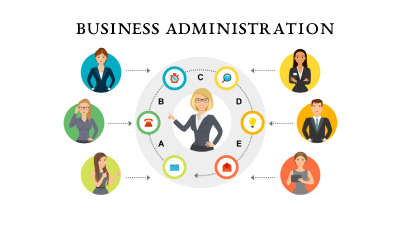
Business administration is a core discipline that drives how organisations operate, grow, and remain competitive across Canada’s diverse economy. From small startups to multinational corporations, strong administrative systems are essential for financial control, strategic planning, and operational efficiency. This Business Administration Master Class introduces learners to the key functions of modern business management, including finance, marketing, human resources, operations, and …
Business administration is a core discipline that drives how organisations operate, grow, and remain competitive across Canada’s diverse economy. From small startups to multinational corporations, strong administrative systems are essential for financial control, strategic planning, and operational efficiency. This Business Administration Master Class introduces learners to the key functions of modern business management, including finance, marketing, human resources, operations, and strategic decision-making.
Designed for beginners and career-focused learners, the course provides a broad yet structured understanding of how businesses are managed in real-world Canadian environments. Learners will explore accounting principles, financial planning, business strategy, procurement systems, marketing models, and organisational governance. The course also highlights analytical thinking, communication, and leadership skills used in professional business settings.
Study online at your own pace and gain a complete foundation in business administration. Enrol today and build the knowledge needed to understand and support business operations across Canada’s corporate, public, and private sectors.
Please note: This Business Administration Master Class Course only gives you the theoretical knowledge that you need to excel in this field. This Course doesn’t entitle you to practise as a professional in this specific field.
- Extra Included :
- Free Accredited Certificate Included
- Instant e-certificate and hard copy dispatch by next working day
- Fully online, interactive course with audio voiceover
- Self-paced learning and laptop, tablet, smartphone-friendly
- 24/7 Learning Assistance
- Discounts on bulk purchases
Last audited and updated on: 15th April 2026
Sneak Peek
Core Learning Outcomes
- Gain comprehensive understanding of business administration functions
- Understand financial statements, budgeting, and financial planning
- Learn how businesses develop and implement strategies
- Develop knowledge of marketing, HR, and operations management
- Build analytical and decision-making skills for business environments
- Recognise legal, ethical, and governance frameworks in Canada
Who Should Take This Course
This course is ideal for:
- Beginners interested in business and management careers
- Students pursuing business, finance, or administration pathways
- Office and administrative workers seeking career growth
- Entrepreneurs and small business owners
- Career changers entering corporate roles
- Anyone interested in Canada’s business sector
Why Take This Course
- Gain a complete foundation in business administration
- Learn finance, marketing, HR, and operations in one course
- Understand how Canadian businesses operate in real-world settings
- Flexible online learning suitable for beginners
- Improve employability across multiple industries
- Earn certification for professional development
Job Opportunities & Salary (CAD)
- Business Administrator – CAD $55,000 – $85,000
- Office Manager – CAD $50,000 – $75,000
- Business Analyst – CAD $65,000 – $100,000
- Administrative Coordinator – CAD $45,000 – $70,000
- Operations Assistant – CAD $50,000 – $78,000
- Project Coordinator – CAD $60,000 – $95,000
Entry Requirements
- No formal qualifications required
- Basic English reading and writing skills
- Basic computer literacy
- Interest in business and management
- Access to an internet-connected device
- Suitable for beginners in Canada
Accreditation
All of our courses, including this Business Administration Master Class Course, are fully accredited, providing you with up-to-date skills and knowledge and helping you to become more competent and effective in your chosen field.
CPD Accredited
All of our courses are accredited by the CPD Quality Standards as conforming to universally accepted Continuing Professional Development (CPD) guidelines.

QLS Endorsed
The Quality Licence Scheme (QLS) is a trusted endorsement framework that certifies high-quality, non-regulated training programmes across various sectors.

Association of Healthcare Trainers
The Association of Healthcare Trainers (AoHT) promotes high-quality healthcare training, supporting providers to deliver relevant, industry-aligned education and improve professional standards.
Certification
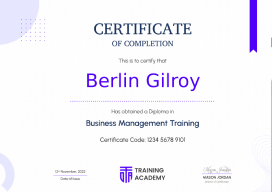
Once you’ve successfully completed your course, you will immediately be sent a digital certificate. Also, you can have your printed certificate delivered by post (shipping cost CA$9.99). All of our courses are fully accredited, providing you with up-to-date skills and knowledge and helping you to become more competent and effective in your chosen field.
↻
Course Curriculum
This module introduces the core principles of accounting used in business decision-making. Learners explore how financial transactions are recorded, classified, and summarised using standard accounting rules. It also explains how these standards ensure accuracy, consistency, and transparency in financial reporting across Canadian organisations.
This module explains how businesses present their financial position through a balance sheet. Learners study assets, liabilities, and equity, and understand how these elements reflect what a company owns and owes at a specific point in time. It also highlights how balance sheets are used in financial analysis.
This module focuses on how businesses measure performance over a period. Learners explore revenue, expenses, and net profit, learning how income statements help evaluate profitability and financial health in real-world business operations.
This module provides an overview of the key financial reports used in business. Learners understand how income statements, balance sheets, and cash flow statements work together to give a complete picture of organisational performance.
This module explains how money moves in and out of a business. Learners study operating, investing, and financing activities and understand why cash flow is essential for maintaining daily business operations and financial stability.
This module breaks down how businesses calculate profit or loss over a financial period. Learners explore how income, costs, and expenses interact to determine financial outcomes and support decision-making.
This module introduces budgeting techniques used to plan business spending. Learners understand how organisations allocate resources, forecast income, and control costs to achieve financial goals.
This module explores the basics of financial management. Learners gain insight into money management, investment principles, and how financial decisions influence business growth and stability.
This module highlights the key abilities required in financial advisory roles. It focuses on analytical thinking, client communication, financial assessment, and ethical responsibilities in advisory services.
This module explains how individuals and organisations plan for long-term financial goals. Learners explore savings strategies, investment planning, and methods to ensure financial security and growth.
This module focuses on identifying financial risks such as market fluctuations, credit risks, and operational uncertainties. Learners study how businesses evaluate and reduce these risks to protect financial stability.
This module introduces investment fundamentals, including asset types, portfolio building, and risk-return balance. Learners understand how investment decisions support wealth creation and business expansion.
This module explains how business operations are structured and executed. Learners study workflows, process optimisation, and how efficient systems improve productivity in organisations.
This module introduces financial ratio analysis used to assess business performance. Learners explore liquidity, profitability, and efficiency ratios to evaluate organisational strength.
This module focuses on predicting future business trends using data analysis. Learners understand forecasting methods that help organisations plan production, sales, and budgeting.
This module highlights frequent errors in data interpretation. Learners study how incorrect analysis can lead to poor decisions and how to avoid misleading statistical conclusions.
This module explains how organisations identify gaps between current and desired performance. Learners explore how needs assessments guide business improvements and resource allocation.
This module focuses on structuring business analysis activities. Learners study planning methods that help organisations improve efficiency and solve operational challenges.
This module examines how businesses analyse internal strengths and external market conditions. Learners understand how strategic insights guide long-term decision-making.
This module explores how organisations identify and manage stakeholders. Learners study how stakeholder expectations influence business decisions and project success.
This module explores how businesses grow sustainably while preparing for leadership transitions. Learners examine strategies for expanding operations, entering new markets, and improving long-term stability. It also explains succession planning, ensuring organisations remain strong when key leaders change or retire.
This module focuses on how organisations design, manage, and improve business workflows. Learners explore how structured processes reduce inefficiencies, improve productivity, and ensure consistent service delivery across departments.
This module introduces the full supply chain system, from sourcing raw materials to delivering finished products. Learners study logistics, transportation, warehousing, and distribution, along with how supply chains support Canadian industries.
This module explains how organisations acquire goods and services efficiently. Learners explore supplier selection, contract negotiation, purchasing cycles, and cost-control methods used in business operations.
This module covers how projects are planned, executed, and completed successfully. Learners study project timelines, budgeting, risk management, and how teams collaborate to achieve business objectives.
This module focuses on tracking business performance and ensuring goals are met. Learners explore monitoring tools, performance indicators, and continuous improvement techniques used in organisations.
This module explains how businesses define what a product or service will include. Learners study market research, customer needs, and how product scope aligns with overall business strategy.
This module introduces systems used to maintain high standards in products and services. Learners explore quality control methods, inspection processes, and how businesses ensure customer satisfaction.
This module focuses on essential negotiation skills used in business deals. Learners study communication strategies, conflict resolution, persuasion techniques, and how agreements are successfully reached.
This module develops professional communication skills required in business environments. Learners explore verbal, written, and digital communication techniques used for teamwork and leadership.
This module highlights key administrative abilities such as time management, organisation, documentation, and coordination. Learners understand how administrators support smooth business operations.
This module introduces the fundamentals of marketing and how businesses connect with customers. Learners explore branding, customer engagement, and promotional strategies used in competitive markets.
This module focuses on traditional marketing methods such as print advertising, television, radio, and direct mail campaigns. Learners understand how these methods build brand awareness.
This module explores modern digital marketing techniques including social media marketing, email campaigns, influencer marketing, and search engine advertising.
This module explains professional behaviour in business environments. Learners study workplace manners, communication standards, and appropriate conduct in meetings and corporate settings.
This module introduces how organisations set long-term direction and make strategic decisions. Learners explore goal setting, planning frameworks, and competitive positioning.
This module explains how companies are controlled and directed. Learners study ethical responsibilities, board structures, accountability systems, and compliance standards in Canadian businesses.
This module focuses on understanding market environments. Learners explore competition, customer behaviour, industry trends, and external factors affecting business success.
This module explains how businesses develop strategic plans. Learners study goal setting, competitive analysis, and decision-making frameworks used in organisations.
This module focuses on putting business strategies into action. Learners explore resource allocation, performance tracking, and operational execution of strategic plans.
This module introduces branding and identity development. Learners understand how businesses create trust, recognition, and emotional connection with customers.
This module focuses on customer relationship management (CRM). Learners explore how strong customer engagement improves loyalty, retention, and business growth.
This module introduces legal frameworks that govern business activities in Canada. Learners study regulations, compliance requirements, and legal responsibilities of organisations.
This module explains how business contracts are formed and enforced. Learners explore legal obligations, agreements, and dispute resolution in commercial settings.
This module focuses on consumer rights in Canada. Learners study protection laws that ensure fair trade practices and ethical business conduct.
This module introduces HR functions such as recruitment, onboarding, employee relations, training, and workforce management within organisations.
This module focuses on creating structured business proposals. Learners explore how to present ideas for funding, partnerships, and business development projects.
This module explains how money, goods, and services move within an economy. Learners understand how households, businesses, and governments interact in the market system.
This module explores how market forces determine pricing. Learners study how supply and demand influence business decisions, competition, and economic stability.
This module compares different market structures. Learners explore how competition, monopolies, and market control affect pricing, consumer choice, and business strategy.
FAQ
The curriculum typically spans essential business functions, including:
- Business and strategic management
- Financial planning, corporate finance, and accounting principles
- Project management, organizational behavior, and leadership
- Business communication, marketing, and operational efficiency
It is tailored for mid-level professionals, entrepreneurs, and individuals looking to transition into office leadership or management-level responsibilities without the traditional multi-year academic commitment.
The duration varies depending on the provider. It can range from intensive one-day accelerated workshops to self-paced online modules. Online options often provide 24/7 access, allowing you to study around your existing work schedule.
Yes, upon successful completion, delegates usually earn a digital or hard-copy certificate (such as a Master Certificate in Business Management) to add to their professional portfolio or LinkedIn.
A business masterclass is a focused, expert-led training session designed to teach a specific strategic capability, solve a complex challenge, or inspire leadership growth. Taught by seasoned industry leaders, these concise, high-impact sessions offer actionable frameworks rather than broad academic theory.
Excellent
4.8/5
4.7 Average - 69 Reviews
★ Reviews
Ethan Beaumont
Read More
Very detailed and easy-to-follow course. The modules on finance, strategy, and business analysis were especially helpful and practical.
Chloe Gagnon
Read More
Well-structured and informative training. I found the sections on marketing and project management particularly useful for real business situations.
Previous
Next
Course Curriculum
| Business Administration Master Class | |||
| Module 01: Accounting Concepts and Standards | 00:22:00 | ||
| Module 02: Balance Sheet | 00:21:00 | ||
| Module 03: Income statement | 00:19:00 | ||
| Module 04: Financial statements | 00:27:00 | ||
| Module 05: Cash Flow Statements | 00:17:00 | ||
| Module 06: Understanding Profit and Loss Statement | 00:17:00 | ||
| Module 07: Financial Budgeting and Planning | 00:28:00 | ||
| Module 08: Introduction to Finance | 00:23:00 | ||
| Module 09: Essential Skill for Financial Advisor | 00:34:00 | ||
| Module 10: Financial Planning | 00:37:00 | ||
| Module 11: Financial Risk Management and Assessment | 00:31:00 | ||
| Module 12: Investment Planning | 00:25:00 | ||
| Module 13: Business Processes | 00:44:00 | ||
| Module 14: Ratio Analysis | 00:26:00 | ||
| Module 15: Planning & Forecasting Operations | 00:20:00 | ||
| Module 16: Ten Common Statistical Mistakes | 00:30:00 | ||
| Module 17: Needs Assessment | 01:06:00 | ||
| Module 18: Business Analysis Planning | 01:13:00 | ||
| Module 19: Strategy Analysis | 00:28:00 | ||
| Module 20: Stakeholder Analysis | 01:08:00 | ||
| Module 21: Business Development and Succession Planning | 00:24:00 | ||
| Module 22: Process Management | 00:24:00 | ||
| Module 23: Supply Chain Management | 00:20:00 | ||
| Module 24: Procurement & Purchasing Management | 00:21:00 | ||
| Module 25: Project Management | 00:19:00 | ||
| Module 26: Business Analysis Planning and Monitoring | 00:27:00 | ||
| Module 27: Strategic Analysis and Product Scope | 00:28:00 | ||
| Module 28: Quality Management | 00:21:00 | ||
| Module 29: Negotiation Techniques | 00:16:00 | ||
| Module 30: Communication Skills | 00:25:00 | ||
| Module 31: Skills of an Effective Administrator | 00:15:00 | ||
| Module 32: What is Marketing? | 00:09:00 | ||
| Module 33: Common Marketing Types (I) | 00:06:00 | ||
| Module 34: Common Marketing Types (II) | 00:07:00 | ||
| Module 35: Business Etiquette | 00:19:00 | ||
| Module 36: Introduction to Strategic Management Business | 00:43:00 | ||
| Module 37: Corporate Governance | 00:37:00 | ||
| Module 38: Industry Analysis | 00:32:00 | ||
| Module 39: Strategy Formulation | 00:48:00 | ||
| Module 40: Strategy Implementation | 00:45:00 | ||
| Module 41: Building a Brand | 00:38:00 | ||
| Module 42: Generating Success from the Customer Relationship | 00:40:00 | ||
| Module 43: Understanding Business Law | 00:20:00 | ||
| Module 44: Contract & Business Law | 00:43:00 | ||
| Module 45: Consumer Law and Protection | 00:26:00 | ||
| Module 46: Introduction to Human Resources | 00:17:00 | ||
| Module 47: Business Proposal Writing | 00:27:00 | ||
| Module 48: The Market System and the Circular Flow Model | 00:18:00 | ||
| Module 49: Supply, Demand and Prices | 00:30:00 | ||
| Module 50: Market Structure: Perfect Competition vs Monopoly | 00:23:00 | ||



$125 Original price was: $125.$20Current price is: $20. ex VAT
SAVE 84% - OFFER ENDS SOON
 |
 Take All course
for $99
Take All course
for $99-
 01 Year of full Course access
 -
 Level 5
-
 Endorsed Certificate of Compleiton
-
 23 hours, 44 minutes of total Unit + Quiz duration
 -
 10 CPD Points
Buying more than one of the same courses?
- 50% discount for orders of 10+ courses
- 60% discount for orders of 50+ courses
- 70% discount for orders of 100+ courses