213 Students
Autism affects how individuals communicate, interact, learn, and experience the world around them. As awareness and understanding of Autism Spectrum Disorder (ASD) continue to grow across Canada, there is an increasing need for informed support within education, healthcare, social services, community programmes, and family environments. Understanding autism and associated learning difficulties is essential for creating inclusive and supportive settings that …
Autism affects how individuals communicate, interact, learn, and experience the world around them. As awareness and understanding of Autism Spectrum Disorder (ASD) continue to grow across Canada, there is an increasing need for informed support within education, healthcare, social services, community programmes, and family environments. Understanding autism and associated learning difficulties is essential for creating inclusive and supportive settings that promote individual development and wellbeing.
The Autism and Learning Difficulties course is designed to provide learners with a comprehensive understanding of Autism Spectrum Disorder, its characteristics, diagnostic processes, cognitive theories, and the learning challenges that may accompany autism. The course explores evidence-based approaches for supporting autistic individuals while promoting communication, inclusion, and positive engagement.
Suitable for parents, caregivers, educators, support workers, healthcare assistants, students, and anyone interested in neurodevelopmental conditions, this course offers valuable insight into autism awareness and support strategies. Study online at your own pace and build knowledge that can help make a meaningful difference in the lives of autistic individuals and their families.
Please note: This Autism and Learning Difficulties Course only gives you the theoretical knowledge that you need to excel in this field. This Course doesn’t entitle you to practise as a professional in this specific field.
This course is ideal for:
All of our courses, including this Autism and Learning Difficulties, are fully accredited, providing you with up-to-date skills and knowledge and helping you to become more competent and effective in your chosen field.
All of our courses are accredited by the CPD Quality Standards as conforming to universally accepted Continuing Professional Development (CPD) guidelines.
The Quality Licence Scheme (QLS) is a trusted endorsement framework that certifies high-quality, non-regulated training programmes across various sectors.

The Association of Healthcare Trainers (AoHT) promotes high-quality healthcare training, supporting providers to deliver relevant, industry-aligned education and improve professional standards.
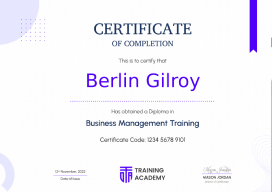
Once you’ve successfully completed your course, you will immediately be sent a digital certificate. Also, you can have your printed certificate delivered by post (shipping cost CA$9.99). All of our courses are fully accredited, providing you with up-to-date skills and knowledge and helping you to become more competent and effective in your chosen field.
This module provides a comprehensive introduction to Autism Spectrum Disorder and explores how autism affects communication, behaviour, social interaction, sensory processing, and daily functioning. Learners examine the diversity of the autism spectrum, recognising that every autistic individual experiences strengths, challenges, and support needs differently. The module also explores common characteristics associated with ASD and current perspectives on neurodiversity.
Many autistic individuals experience learning difficulties that can influence academic achievement, communication, problem-solving, and daily living skills. This module explores the relationship between autism and various learning challenges, examining how cognitive differences, sensory sensitivities, attention difficulties, and information processing styles may affect learning outcomes. Learners gain insight into strategies that support individual learning needs.
Early identification can play an important role in accessing support and intervention services. This module examines the diagnostic process for Autism Spectrum Disorder, including developmental indicators, screening methods, multidisciplinary assessments, and diagnostic criteria. Learners explore how professionals evaluate autism and the importance of recognising signs across different age groups.
This module explores key cognitive theories that help explain how autistic individuals perceive, process, and respond to information. Learners examine concepts such as executive functioning, theory of mind, information processing differences, and cognitive flexibility. Understanding these approaches provides valuable insight into behaviours, learning styles, and support needs associated with autism.
Supporting autistic individuals requires understanding, patience, and effective communication strategies. This module focuses on practical approaches for building positive interactions, reducing anxiety, supporting independence, and creating environments that accommodate diverse needs. Learners explore person-centred approaches that respect individual preferences, strengths, and challenges.
Beyond communication and learning support, autistic individuals may experience sensory sensitivities, emotional regulation challenges, behavioural responses, and social difficulties. This module examines additional factors that influence daily experiences and explores strategies for creating supportive, inclusive, and accessible environments across home, educational, and community settings.
Awareness and understanding play an important role in reducing stigma and promoting inclusion. This module explores autism advocacy, community engagement, inclusive practices, and public awareness initiatives. Learners examine how greater understanding can help create supportive environments that recognise the abilities, contributions, and rights of autistic individuals.
Autism Spectrum Disorder is a neurodevelopmental condition that affects communication, social interaction, behaviour, and sensory processing in different ways.
Some autistic individuals may experience challenges with communication, attention, information processing, executive functioning, literacy, or social learning, although experiences vary widely.
Autism itself is not a learning disability, but some autistic individuals may also have learning disabilities or learning difficulties alongside autism.
Parents, caregivers, teachers, support workers, healthcare professionals, and anyone interested in understanding autism can benefit from this course.
You will learn about autism characteristics, diagnosis, cognitive theories, learning difficulties, support strategies, and autism awareness.
Greater awareness helps promote inclusion, reduce misconceptions, and create supportive environments for autistic individuals.
Yes. The course is designed for learners with little or no previous knowledge of autism.
Yes. A certificate is awarded upon successful completion of the course.
| Module 1: Autism Spectrum Disorder (ASD) | |||
| Autism Spectrum Disorder (ASD) | 00:25:00 | ||
| Module 2: Learning Difficulties Related to Autism | |||
| Learning Difficulties Related to Autism | 00:23:00 | ||
| Module 3. Autism Diagnosis | |||
| Autism Diagnosis | 00:16:00 | ||
| Module 4. Cognitive Approaches in Autism | |||
| Cognitive Approaches in Autism | 00:12:00 | ||
| Module 5. Dealing with Autistic Individuals | |||
| Dealing with Autistic Individuals | 00:17:00 | ||
| Module 6. Other Considerations for Dealing with Autistic Individuals | |||
| Other Considerations for Dealing with Autistic Individuals | 00:14:00 | ||
| Module 7. Engagement in Autism Awareness | |||
| Engagement in Autism Awareness | 00:08:00 | ||
| Mock Exam | |||
| Mock Exam – Autism and Learning Difficulties | 00:20:00 | ||
| Final Exam | |||
| Final Exam – Autism and Learning Difficulties | 00:20:00 | ||
$50 Original price was: $50.$25Current price is: $25. ex VAT
SAVE 50% - OFFER ENDS SOON
![]() |