734 Students
LOLER Training – Level 2 introduces learners to the safe use, selection, inspection, and management of lifting equipment in the workplace. Although LOLER is a UK regulation, the course is adapted for a Canadian audience by focusing on general lifting safety principles, hazard identification, equipment suitability, safe working loads, inspections, maintenance, and workplace responsibilities. It is suitable for workers, supervisors, …
LOLER Training – Level 2 introduces learners to the safe use, selection, inspection, and management of lifting equipment in the workplace. Although LOLER is a UK regulation, the course is adapted for a Canadian audience by focusing on general lifting safety principles, hazard identification, equipment suitability, safe working loads, inspections, maintenance, and workplace responsibilities. It is suitable for workers, supervisors, facilities staff, maintenance teams, and others involved in lifting operations in Canada.
The training helps learners recognise lifting hazards, assess equipment suitability, understand load positioning, identify defects, and support safer lifting practices. These skills can be relevant across construction, manufacturing, warehousing, facilities management, transportation, and other Canadian workplaces where lifting equipment is used.
Online, self-paced learning allows learners to study around work and other commitments. Structured course materials and certification on successful completion provide a flexible way to strengthen lifting equipment safety knowledge and support workplace development.
The course introduces key lifting equipment safety principles and shows how they can be applied in workplace situations.
This course is suitable for Canadian workers and supervisors who use, manage, or work around lifting equipment.
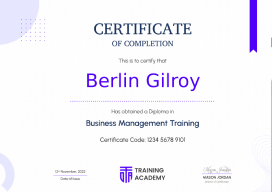
Once you’ve successfully completed your course, you will immediately be sent a digital certificate. Also, you can have your printed certificate delivered by post (shipping cost £3.99). All of our courses are fully accredited, providing you with up-to-date skills and knowledge and helping you to become more competent and effective in your chosen field. Our certifications have no expiry dates, although we do recommend that you renew them every 12 months.
Understanding lifting equipment hazards can help workers and organisations reduce avoidable risks during workplace lifting activities.
Lifting equipment safety knowledge can complement roles across construction, warehousing, maintenance, and industrial operations. Salaries vary by province, employer, experience, qualifications, and responsibilities.
The course is designed to introduce lifting equipment safety principles without requiring previous LOLER knowledge.
All of our courses, including this LOLER Training Level 2, are fully accredited, providing you with up-to-date skills and knowledge and helping you to become more competent and effective in your chosen field.
All of our courses are accredited by the CPD Quality Standards as conforming to universally accepted Continuing Professional Development (CPD) guidelines.
The Quality Licence Scheme (QLS) is a trusted endorsement framework that certifies high-quality, non-regulated training programmes across various sectors.
The Association of Healthcare Trainers (AoHT) promotes high-quality healthcare training, supporting providers to deliver relevant, industry-aligned education and improve professional standards.
The detailed curriculum outline of our LOLER Training Level 2 is as follows:
Begin by exploring the purpose of LOLER and the safety principles behind controlled lifting operations. Learners examine key terminology, workplace responsibilities, case examples, and how lifting safety can relate to other equipment and workplace safety requirements.
Choosing unsuitable equipment can create significant risks during a lift. This section covers equipment categories, safe working loads, compatibility, documentation, and factors to consider when assessing equipment for a particular task.
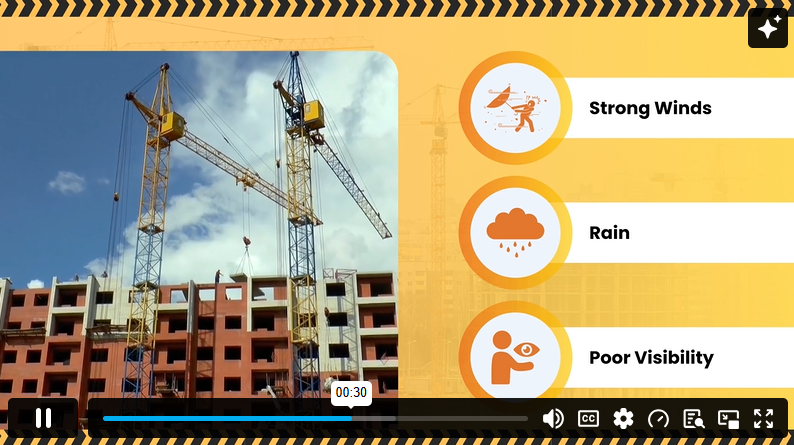
A safe lift depends on more than the equipment itself. Learners consider site hazards, load positioning, clearance, access and egress, temporary installations, weather conditions, traffic, and interaction with other people around lifting operations.
Regular inspection and appropriate maintenance help identify problems before equipment is used for lifting. Learners explore pre-use checks, defect reporting, inspection arrangements, safe storage, maintenance scheduling, and methods of keeping relevant records.
The course is suitable for workers, supervisors, construction personnel, warehouse employees, facilities teams, maintenance staff, and others who use or work around lifting equipment.
You will learn about lifting equipment selection, safe working loads, equipment compatibility, workplace hazards, environmental considerations, inspection procedures, storage, maintenance, documentation, and defect reporting.
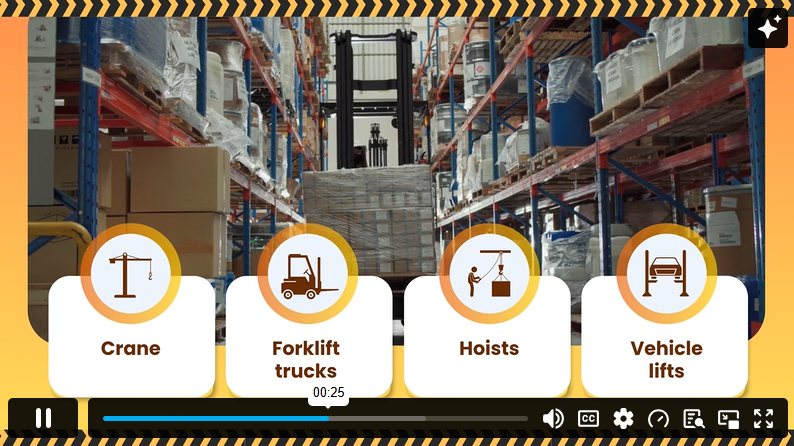
The course focuses on general lifting equipment principles rather than training for one specific type of equipment. The concepts can apply to lifting equipment and accessories used across construction, warehousing, manufacturing, maintenance, and other workplaces.
Yes. Learners explore pre-use visual checks, basic fault identification, inspection arrangements, defect reporting, and the importance of maintaining appropriate records.
Inspection requirements depend on the equipment, workplace, applicable jurisdiction, manufacturer’s instructions, and relevant standards. Employers should follow the requirements that apply to their specific Canadian workplace rather than relying on LOLER inspection intervals.
Yes. The course covers preventive maintenance, safe storage, reporting defects, equipment lifespan, and scheduling and tracking maintenance activities.
| Module 01: Understanding LOLER in Practice | |||
| 1. Introduction | 00:01:00 | ||
| 1.1. Understanding LOLER in Practice | 00:01:00 | ||
| 1.1.2. Key Definitions and Scope of Application | 00:01:00 | ||
| 1.1.3. Summary of Legal Duties for Employers and Workers | 00:01:00 | ||
| 1.1.4. Real-World Implications and Case Studies | 00:01:00 | ||
| Reading Materials | |||
| Understanding LOLER in Practice | 00:00:00 | ||
| Module 02: Assessing and Selecting Lifting Equipment | |||
| 2.1. Assessing and Selecting Lifting Equipment | 00:01:00 | ||
| 2.1.1. Risk Factors in Equipment Selection | 00:01:00 | ||
| 2.1.2. Equipment Categories and Functional Suitability | 00:01:00 | ||
| 2.1.3. Labelling and Safe Working Loads (SWL) | 00:01:00 | ||
| 2.1.4. Record Keeping and Documentation | 00:01:00 | ||
| Reading Materials | |||
| Assessing and Selecting Lifting Equipment | 00:00:00 | ||
| Module 03: Environmental and Operational Considerations | |||
| 3.1. Environmental and Operational Considerations | 00:01:00 | ||
| 3.1.1. Identifying Site-Specific Hazards | 00:01:00 | ||
| 3.1.2. Load Positioning and Clearance Assessment | 00:01:00 | ||
| 3.1.3. Temporary and Permanent Installations | 00:01:00 | ||
| 3.1.4. Access, Egress, and Personnel Safety | 00:01:00 | ||
| Reading Materials | |||
| Environmental and Operational Considerations | 00:00:00 | ||
| Module 04: Inspection, Storage, and Maintenance Procedures | |||
| 4.1. Inspection, Storage, and Maintenance Procedures | 00:01:00 | ||
| 4.1.1. Pre-Use Visual Checks and Basic Fault Identification | 00:01:00 | ||
| 4.1.2. LOLER Inspection Frequencies and Competent Persons | 00:01:00 | ||
| 4.1.3. Safe Storage Practices and Equipment Lifespan | 00:01:00 | ||
| 4.1.4. Reporting and Addressing Defects | 00:01:00 | ||
| Reading Materials | |||
| Inspection, Storage, and Maintenance Procedures | 00:00:00 | ||
| Conclusion | |||
| Conclusion | 00:01:00 | ||
$125 Original price was: $125.$20Current price is: $20. ex VAT
SAVE 84% - OFFER ENDS SOON
![]() |
01 Year of full Course access
Level 2
Endorsed Certificate of Compleiton