2115 Students
Safeguarding Level 4 teaches you everything on the topic thoroughly from scratch so you can achieve a professional certificate for free to showcase your achievement in professional life. This Safeguarding Level 4 is a comprehensive, instructor-guided course, designed to provide a detailed understanding of the nature of the related sector and your key roles within it. To become successful in …
The Safeguarding Level 4 Course is designed to provide learners with advanced knowledge of safeguarding responsibilities, child protection procedures, and the protection of vulnerable adults within Canada’s healthcare, education, childcare, and social support sectors. The course explores safeguarding legislation, abuse prevention, risk assessment, reporting procedures, and early intervention strategies.
Suitable for both new learners and existing professionals, this course helps develop understanding of safeguarding policies, communication in care settings, record keeping, and responding to disclosures. Learners can apply these skills in schools, healthcare facilities, residential care, community services, and support organisations across Canada.
Delivered through flexible online learning, this course allows learners to study at their own pace while balancing work and personal commitments. Upon completion, learners can strengthen their safeguarding awareness, improve employability, and support safer environments for children and vulnerable adults. Enrol today and build essential safeguarding knowledge for modern care settings.
Please note: This Mental Health First Aid Course only gives you the theoretical knowledge that you need to excel in this field. This Course doesn’t entitle you to practise as a professional in this specific field.
All of our courses, including this Safeguarding Level 4 Course, are fully accredited, providing you with up-to-date skills and knowledge and helping you to become more competent and effective in your chosen field.
All of our courses are accredited by the CPD Quality Standards as conforming to universally accepted Continuing Professional Development (CPD) guidelines.
The Quality Licence Scheme (QLS) is a trusted endorsement framework that certifies high-quality, non-regulated training programmes across various sectors.
The Association of Healthcare Trainers (AoHT) promotes high-quality healthcare training, supporting providers to deliver relevant, industry-aligned education and improve professional standards.
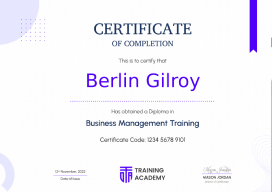
Once you’ve successfully completed your course, you will immediately be sent a digital certificate. Also, you can have your printed certificate delivered by post (shipping cost CA$9.99). All of our courses are fully accredited, providing you with up-to-date skills and knowledge and helping you to become more competent and effective in your chosen field.
The detailed curriculum outline of our Safeguarding Level 4 is as follows:
Begin your learning journey by exploring why safeguarding is a critical responsibility in today’s childcare, healthcare, and community support environments. This module introduces the principles of protecting children and vulnerable adults while highlighting how early awareness and responsible action can help prevent harm before it escalates.
Navigate the legal and ethical framework surrounding safeguarding within Canadian care settings. Learners will discover how policies, reporting obligations, and workplace procedures guide professionals in maintaining safe, supportive, and legally compliant environments for individuals at risk.
Take a closer look at the realities of child abuse and the lasting effects it can have on physical, emotional, and behavioural development. This module explores the different forms of abuse, warning indicators, and the importance of timely safeguarding intervention in protecting children from ongoing harm.
This sensitive but essential module examines child sexual abuse, including grooming behaviours, emotional manipulation, and hidden warning signs. Learners will gain greater confidence in recognising concerns, responding appropriately, and supporting safeguarding procedures with care and professionalism.
Children living in abusive environments are often deeply affected emotionally and psychologically. This module explores how domestic violence influences behaviour, confidence, relationships, and development, while also examining ways support services can help children feel safer and more secure.
Effective safeguarding starts with recognising risk early. In this module, learners will explore how to identify vulnerabilities, assess levels of risk, and make informed decisions that help reduce harm and strengthen protection strategies within care and educational settings.
Every child develops differently, and understanding emotional growth is key to recognising when something may be wrong. This module explores how relationships, environment, communication, and life experiences influence social and emotional wellbeing throughout childhood.
Discover how children develop intellectually, behaviourally, and emotionally as they grow. Learners will examine the factors that shape learning ability, personality traits, confidence, communication styles, and behavioural responses during different stages of childhood.
Knowing how to respond when a child or vulnerable adult shares safeguarding concerns is essential. This module explains how to remain calm, listen appropriately, document information accurately, and follow safeguarding procedures while maintaining trust and confidentiality.
Safeguarding responsibilities continue after a referral has been made. This module explores follow-up actions, ongoing monitoring, communication with safeguarding agencies, and the importance of continued support for individuals affected by abuse or neglect.
Clear and accurate documentation plays a major role in safeguarding. Learners will understand how professional record keeping supports investigations, protects individuals, improves accountability, and ensures safeguarding concerns are managed effectively and securely.
This module focuses on protecting adults who may be at greater risk due to age, illness, disability, or dependency. Learners will explore safeguarding responsibilities in healthcare, residential care, and community support settings while understanding how abuse and neglect may present differently in adults.
Build a stronger understanding of the laws, workplace regulations, and safeguarding standards that shape professional responsibilities in care environments. This module highlights why legislation plays a central role in protecting vulnerable individuals and guiding safeguarding practices.
Abuse and neglect can take many forms and often remain hidden. This module helps learners recognise behavioural, emotional, and physical indicators while exploring the causes, risks, and long-term effects abuse may have on children and vulnerable adults.
Explore the responsibilities of individuals and organisations involved in adult safeguarding. This module examines workplace policies, professional duties, safeguarding procedures, and the collaborative approach required to maintain safe care environments.
Strong communication can build trust, improve safety, and encourage individuals to seek help when needed. Learners will discover how respectful, supportive, and clear communication contributes to safeguarding and strengthens relationships within care settings.
Handling safeguarding information requires sensitivity and responsibility. This module explains when information should be shared, how confidentiality is managed, and the appropriate steps to take when responding to safeguarding disclosures or concerns.
Reporting safeguarding concerns quickly and correctly can make a significant difference to someone’s safety and wellbeing. This module explores reporting pathways, escalation procedures, and the professional responsibilities involved in raising safeguarding concerns.
Child trafficking is a serious safeguarding issue affecting vulnerable young people worldwide. Learners will examine exploitation risks, warning signs, trafficking methods, and safeguarding measures that help identify and protect children at risk.
Early relationships shape a child’s emotional wellbeing and future development. This module explores infant mental health, attachment patterns, emotional bonding, and how positive early experiences can support healthier long-term outcomes for children.
The final module focuses on recognising when children, families, or vulnerable individuals may require additional support. Learners will explore early intervention strategies, collaborative support approaches, and the importance of providing timely help before concerns become more serious.
Level 4 is an advanced, strategic-level course meant for Designated Safeguarding Leads (DSLs), managers, and directors. Unlike lower levels that focus on recognition and reporting, Level 4 focuses on:
This training is mandatory or highly recommended for individuals with specific “designated” safeguarding roles:
The curriculum generally covers:
It is highly recommended that safeguarding training be refreshed every two years to ensure knowledge of legislation is current
The NQual Level 4 Award for Designated Safeguarding Lead is designed to increase knowledge and awareness of safeguarding. The qualification will explore how to fulfil the role of a Designated Safeguarding Lead and is appropriate for a variety of sectors and workplaces.
| Safeguarding Level 4 | |||
| Module 01: Introduction to Safeguarding | 00:21:00 | ||
| Module 02: Laws and Guidance | 00:42:00 | ||
| Module 03: Child Abuse | 00:48:00 | ||
| Module 04: Sexual Abuse | 00:39:00 | ||
| Module 05: The Impact of Domestic Violence and Abuse on Children | 00:48:00 | ||
| Module 06: Risks and Risk Assessment | 00:16:00 | ||
| Module 07: Social and Emotional Development | 00:41:00 | ||
| Module 08: Personality and Intellectual Development of Children | 00:32:00 | ||
| Module 09: Responding to Disclosure and Reporting | 00:32:00 | ||
| Module 10: Things to Do after Referral | 00:22:00 | ||
| Module 11: Record Keeping | 00:17:00 | ||
| Module 12: Safeguarding of Vulnerable Adults | 00:15:00 | ||
| Module 13: Safeguarding Legislations | 00:25:00 | ||
| Module 14: Understanding Abuse and Neglect | 00:25:00 | ||
| Module 15: Safeguarding Vulnerable Adults: Policy, Roles and Responsibilities | 00:23:00 | ||
| Module 16: Importance of Communication in Care | 00:20:00 | ||
| Module 17: Sharing Information and Responding to a Disclosure | 00:20:00 | ||
| Module 18: Reporting Your Concern | 00:17:00 | ||
| Module 19: Safeguarding Trafficked Children | 00:30:00 | ||
| Module 20: Infant Mental Health and Early Attachment | 00:29:00 | ||
| Module 21: Assessing Need and Providing Early Help | 00:23:00 | ||
| Mock Exam | |||
| Mock Exam – Safeguarding Level 4 | 00:20:00 | ||
| Final Exam | |||
| Final Exam – Safeguarding Level 4 | 00:20:00 | ||
| Trust Pilot Review | |||
| Trust Pilot Review | 00:00:00 | ||
$125 Original price was: $125.$20Current price is: $20. ex VAT
SAVE 84% - OFFER ENDS SOON
![]() |