566 Students
Positive Handling in Schools is an online course that introduces learners to effective behaviour support strategies, safeguarding principles, and appropriate responses to challenging situations within educational environments. It is designed for teachers, educational assistants, caregivers, school support workers, and individuals interested in Canada’s education and child development sectors. The course explores key areas such as behaviour escalation, trauma-informed approaches, disability …
Positive Handling in Schools is an online course that introduces learners to effective behaviour support strategies, safeguarding principles, and appropriate responses to challenging situations within educational environments. It is designed for teachers, educational assistants, caregivers, school support workers, and individuals interested in Canada’s education and child development sectors.
The course explores key areas such as behaviour escalation, trauma-informed approaches, disability awareness, communication strategies, duty of care, legal considerations, and responsible intervention methods. Learners gain insight into how schools can promote safer learning environments while supporting student dignity, wellbeing, and positive relationships. These concepts are valuable across Canadian schools, childcare settings, and support services where managing behaviour respectfully is an important responsibility.
Through flexible online learning, self-paced study, learner support, and certification, this course allows you to develop essential behaviour management knowledge alongside your existing commitments. Start your learning journey today and build a stronger foundation for supporting students in educational settings.
This course introduces key positive handling concepts and helps learners develop awareness of safe and respectful responses to challenging behaviour.
This course is suitable for individuals involved in supporting students and maintaining positive learning environments.
Learning positive handling approaches can help learners understand how to respond appropriately to behaviour challenges while supporting student wellbeing.
Knowledge of positive handling and behaviour support can support opportunities across education, childcare, and student support environments in Canada.
The course is designed for learners who want to develop knowledge of behaviour support and positive handling practices.
All of our courses, including this Positive Handling in Schools Course, are fully accredited, providing you with up-to-date skills and knowledge and helping you to become more competent and effective in your chosen field.
All of our courses are accredited by the CPD Quality Standards as conforming to universally accepted Continuing Professional Development (CPD) guidelines.
The Quality Licence Scheme (QLS) is a trusted endorsement framework that certifies high-quality, non-regulated training programmes across various sectors.
The Association of Healthcare Trainers (AoHT) promotes high-quality healthcare training, supporting providers to deliver relevant, industry-aligned education and improve professional standards.

Once you’ve successfully completed your course, you will immediately be sent a digital certificate. Also, you can have your printed certificate delivered by post (shipping cost CA$9.99). All of our courses are fully accredited, providing you with up-to-date skills and knowledge and helping you to become more competent and effective in your chosen field.
The detailed curriculum outline of our Positive Handling in Schools is as follows:
This module introduces the principles of positive handling and explains its importance in creating safe educational environments. Learners explore the role of supportive responses, behaviour awareness, and respectful interactions with students.
This module examines why behaviour management requires careful consideration and responsibility. Learners explore the impact of responses on students, staff, and the wider school environment.
This module explains the stages of behavioural escalation and how emotions can influence actions. Learners explore ways to recognise warning signs and respond before situations become more challenging.
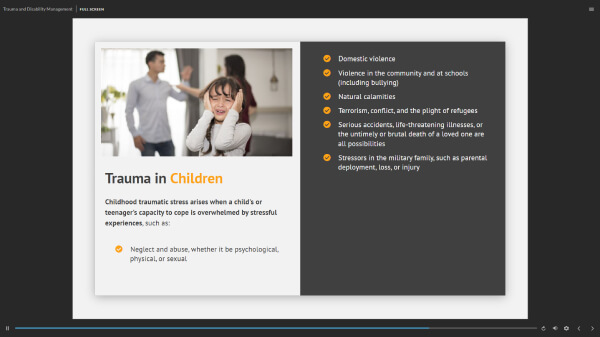
This module explores how trauma, disabilities, and individual needs can affect behaviour. Learners gain awareness of supportive approaches that consider each student’s personal circumstances.
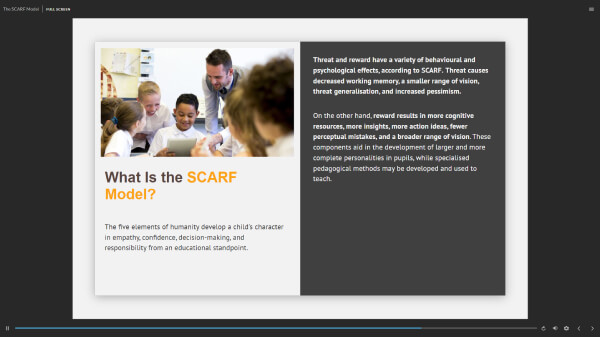
This module introduces the SCARF Model and its connection to human behaviour and responses. Learners explore how factors such as safety, status, and relationships can influence interactions.
This module introduces guidance and recommendations related to behaviour management and student safety. Learners explore the importance of following established principles and maintaining responsible practices in educational settings.
This module focuses on duty of care responsibilities when supporting students. Learners explore decision-making processes and the importance of balancing safety, wellbeing, and appropriate responses.
This module explains legal considerations connected with behaviour management and interventions in schools. Learners explore responsibilities, boundaries, and the importance of following lawful procedures.
This module introduces the concepts surrounding physical intervention and restraint. Learners explore when intervention may be considered, the importance of proportional responses, and the need for student safety.
This module explores procedures related to screening, searching, and confiscation within educational environments. Learners gain awareness of responsibilities, appropriate processes, and maintaining respectful interactions with students.
This course is suitable for teachers, educational assistants, school support staff, caregivers, childcare workers, and individuals interested in student wellbeing and education support.
No. The course is designed for beginners and does not require previous teaching experience. It is suitable for anyone interested in developing knowledge of behaviour support in schools.
You will learn about behaviour escalation, trauma and disability awareness, duty of care, legal responsibilities, physical intervention concepts, and strategies for supporting students safely.
Positive handling approaches help schools respond to challenging behaviour in a respectful way while supporting student safety, wellbeing, and a positive learning environment.
The course can support learners by developing knowledge relevant to education and student support roles. Additional qualifications, experience, or provincial requirements may apply for specific positions.
Yes. The course includes information about trauma and disability considerations to help learners understand how individual experiences can influence behaviour and responses.
| Module 01: Introduction to Positive Handling in School | |||
| Introduction to Positive Handling in School | 00:19:00 | ||
| Module 02: A Serious Business | |||
| A Serious Business | 00:24:00 | ||
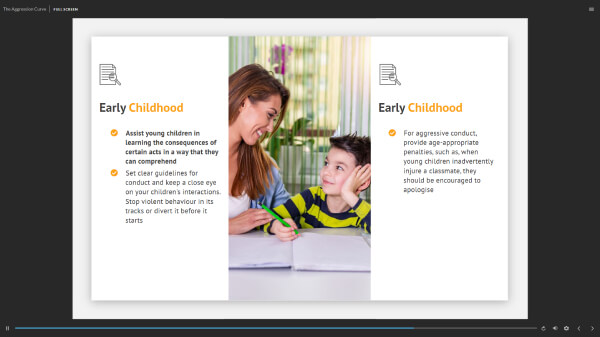
| Module 03: The Aggression Curve | |||
| The Aggression Curve | 00:18:00 | ||
| Module 04: Trauma and Disability Management | |||
| Trauma and Disability Management | 00:22:00 | ||
| Module 05: The SCARF Model | |||
| The SCARF Model | 00:25:00 | ||
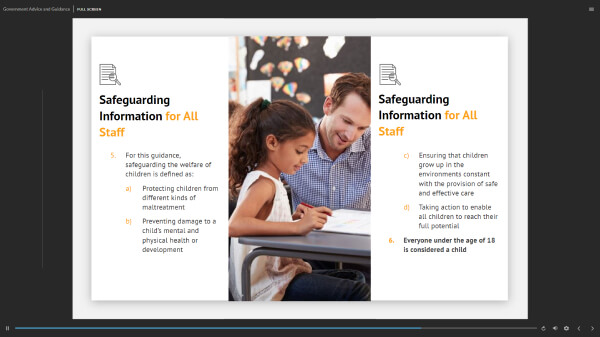
| Module 06: Government Advice and Guidance | |||
| Government Advice and Guidance | 00:20:00 | ||
| Module 07: Making Decisions: Duty of Care | |||
| Making Decisions: Duty of Care | 00:20:00 | ||
| Module 08: The Law | |||
| The Law | 00:19:00 | ||
| Module 09: Physical Intervention and Restraint | |||
| Physical Intervention and Restraint | 00:20:00 | ||
| Module 10: Screening, Searching and Confiscation | |||
| Screening, Searching and Confiscation | 00:21:00 | ||
$125 Original price was: $125.$20Current price is: $20. ex VAT
SAVE 84% - OFFER ENDS SOON
![]() |
01 Year of full Course access
Intermediate
Endorsed Certificate of Compleiton