301 Students
The LOLER Regulations and LOLER Inspection Training course introduces key principles for managing lifting equipment, planning lifting operations, assessing risks, and identifying equipment defects. It helps learners understand the inspection and safety considerations involved when lifting equipment is used in workplace settings. Learners explore lifting equipment and accessories, lifting operation planning, factors affecting safe lifting, roles and responsibilities, risk assessment, …
The LOLER Regulations and LOLER Inspection Training course introduces key principles for managing lifting equipment, planning lifting operations, assessing risks, and identifying equipment defects. It helps learners understand the inspection and safety considerations involved when lifting equipment is used in workplace settings.
Learners explore lifting equipment and accessories, lifting operation planning, factors affecting safe lifting, roles and responsibilities, risk assessment, examination and inspection, and reporting defects. The course develops knowledge that can help learners recognise lifting hazards, understand inspection principles, and contribute to safer lifting practices across Canadian workplace environments.
Online learning provides flexibility for learners balancing work, education, or other commitments. Structured materials allow learners to review lifting safety and inspection concepts at a suitable pace. Successful completion provides a certificate that can support continuing learning and career development.
This course suits learners who work with, manage, supervise, or support lifting equipment and related workplace activities.
Safe lifting depends on suitable equipment, proper planning, competent oversight, and timely identification of defects. This course introduces these areas while giving Canadian learners context for understanding how lifting safety principles relate to workplace requirements.
Lifting and inspection knowledge may complement roles in construction, industrial operations, maintenance, and workplace safety. Specific inspection or regulated roles may require additional training, experience, certification, or provincial requirements.
The course is designed to introduce lifting equipment safety and inspection concepts to learners with different workplace backgrounds.
All of our courses, including this LOLER Regulations and LOLER Inspection Training Course, are fully accredited, providing you with up-to-date skills and knowledge and helping you to become more competent and effective in your chosen field.
All of our courses are accredited by the CPD Quality Standards as conforming to universally accepted Continuing Professional Development (CPD) guidelines.
The Quality Licence Scheme (QLS) is a trusted endorsement framework that certifies high-quality, non-regulated training programmes across various sectors.
The Association of Healthcare Trainers (AoHT) promotes high-quality healthcare training, supporting providers to deliver relevant, industry-aligned education and improve professional standards.
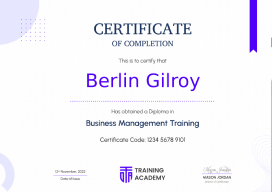
Once you’ve successfully completed your course, you will immediately be sent a digital certificate. Also, you can have your printed certificate delivered by post (shipping cost CA$9.99). All of our courses are fully accredited, providing you with up-to-date skills and knowledge and helping you to become more competent and effective in your chosen field.
Begin with an overview of the Lifting Operations and Lifting Equipment Regulations 1998 and their purpose. Learners become familiar with the main principles governing lifting equipment and operations under the UK framework.
Explore considerations involved in choosing suitable lifting equipment and accessories. Learners examine factors that can influence equipment suitability for different lifting tasks.
Continue examining lifting equipment selection with greater attention to safe use and appropriate accessories. Learners develop further awareness of equipment requirements and operating conditions.
Learn how lifting operations should be organised before work begins. The section considers planning, preparation, supervision, and factors that can affect the safety of a lifting task.
Examine workplace and equipment factors that may influence lifting safety. Learners consider conditions, equipment suitability, load characteristics, and other potential hazards.
Explore the responsibilities of people involved in lifting operations and equipment management. Learners develop awareness of how clear duties and competent oversight contribute to safer lifting activities.
Learn how hazards associated with lifting operations can be identified and assessed. Learners explore risk assessment principles and how control measures can help reduce workplace risks.
Focus on the examination and inspection of lifting equipment. Learners explore inspection principles, equipment condition, and the importance of identifying issues before equipment is used.
Finish by examining how inspection findings and equipment defects should be recorded and communicated. Learners develop awareness of accurate reporting and the importance of addressing identified safety concerns.
You will learn about selecting lifting equipment and accessories, planning lifting operations, identifying safety factors, understanding responsibilities, conducting risk assessments, examining equipment, and reporting defects.
Yes. The course starts with basic lifting safety concepts and gradually introduces equipment selection, risk assessment, inspection, and reporting, making it suitable for learners with limited previous knowledge.
Factors can include the type and weight of the load, equipment condition, lifting accessories, operating environment, available space, ground conditions, communication, supervision, and the competence of people involved.
The course can suit lifting equipment users, maintenance workers, construction staff, supervisors, health and safety personnel, equipment managers, and others who want to strengthen their knowledge of lifting safety.
Yes. Online learning allows learners to study the course materials around work, education, and other commitments.
Knowledge of lifting safety can complement roles such as lifting equipment inspector, maintenance technician, construction supervisor, equipment technician, and health and safety coordinator. Specific job requirements vary by employer and jurisdiction.
Yes. Successful completion provides a certificate that can support continuing learning and career development. The certificate should not be treated as a substitute for any mandatory provincial, territorial, employer, or equipment-specific qualification.
| Module 01: Introduction to LOLER | |||
| Introduction to LOLER | 00:20:00 | ||
| Module 02: Part 01 - Selecting Lifting Equipment and Accessories | |||
| Part 01-Selecting Lifting Equipment and Accessories | 01:00:00 | ||
| Module 03: Part 02 - Selecting Lifting Equipment and Accessories | |||
| Part 02-Selecting Lifting Equipment and Accessories | 00:42:00 | ||
| Module 04: Planning the Lifting Operation | |||
| Planning the Lifting Operation | 00:41:00 | ||
| Module 05: Factors Affecting Safe Lifting Operation | |||
| Factors Affecting Safe Lifting Operation | 00:24:00 | ||
| Module 06: Roles and Responsibilities | |||
| Roles and Responsibilities | 00:16:00 | ||
| Module 07: Risk Assessment | |||
| Risk Assessments | 00:28:00 | ||
| Module 08: Examination and Inspection | |||
| Examination and Inspection | 00:34:00 | ||
| Module 09: Reports and Defects | |||
| Reports and Defects | 00:17:00 | ||
$40 Original price was: $40.$20Current price is: $20. ex VAT
SAVE 50% - OFFER ENDS SOON
![]() |
01 Year of full Course access
Intermediate
Endorsed Certificate of Compleiton